The Carrillo Gil Art Museum Opens The Exhibition Cúmulos y Variaciones, Which Proposes New Readings Of Its Collection
El Museo De Arte Carrillo Gil inaugura la exposición Cúmulos y Variaciones que propone nuevas lectura de su colección.
Modern artworks from the museum's founding collection engage in dialogue with contemporary art, under the curatorship of Esteban King Álvarez
Obras de arte moderno de la colección fundacional del museo dialogan con arte contemporáneo, bajo la curaduría de Esteban King Álvarez
10.6.2026
Instituto Nacional de Bellas Artes (INBAL)
Instituto Nacional de Bellas Artes (INBAL)
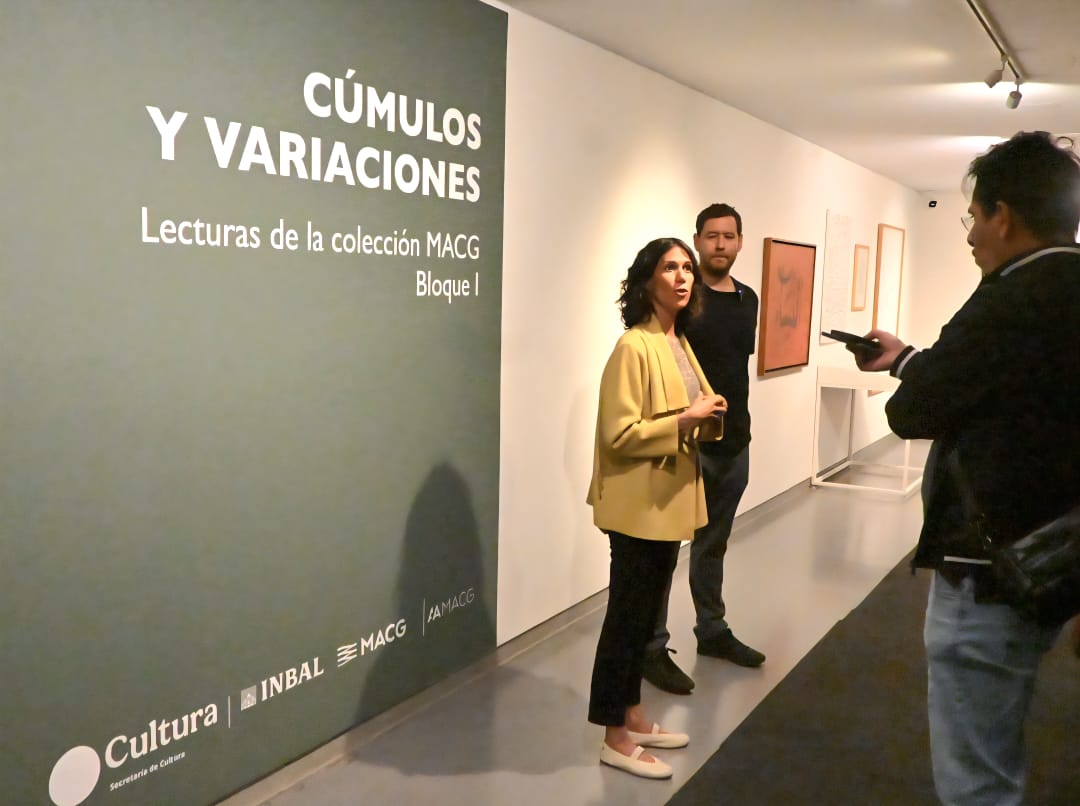
The Ministry of Culture of the Government of Mexico and the National Institute of Fine Arts and Literature (INBAL), through the Carrillo Gil Art Museum (MACG), present Clusters and Variations. Readings of the MACG Collection. Block I, an exhibition project that proposes a critical review of the museum's collection through an experimental installation that invites reflection on themes linked to the history of art in dialogue with current reality.
The Secretary of Culture of the Mexican Government, Claudia Curiel de Icaza, emphasized that “a public collection doesn't remain alive simply because it is preserved, but because it re-engages with the public through new questions. ' Collections and Variations' allows us to view the collection of the Carrillo Gil Art Museum—whose mission has been to create a dialogue between fundamental works of modern Mexican art and contemporary artistic languages—as a field of relationships: foundational works engage with current practices and open up new interpretations of the image, territory, the body, the city, and the ways in which art interprets its time. This project confirms the importance of researching, caring for, and activating our collections so that they continue to generate meaning in the present.”
The exhibition, curated by Esteban King Álvarez, reaffirms the MACG's historical commitment to both its present and the conservation, research, and dissemination of the artistic heritage bequeathed by the Carrillo Gil family to the Mexican State. Through a new curatorial approach to its collection, the exhibition proposes a dialogue between works from different periods, formats, and contexts, highlighting the collection's capacity to generate renewed interpretations from a contemporary perspective.
Similar to the layout of 19th-century painting salons, designed and furnished to display as many works as possible, the exhibition juxtaposes pieces and creates reading rhythms that foster visual and conceptual relationships between historical works and recent productions, based on the idea that the meaning of a collection is constantly transformed with each new installation and tour.
The curatorial proposal is developed from four thematic cores; Language Technologies explores different media and approaches to visual writing; Avant-gardes reviews the validity of this notion through formal searches, abstraction and representation of movement; Anthropocene addresses the impact of humanity on the environment from the landscape, the human figure and the representations of the animal and plant world; while Everyday Life focuses on contemporary urban phenomena and on different critical approaches to collective experience.
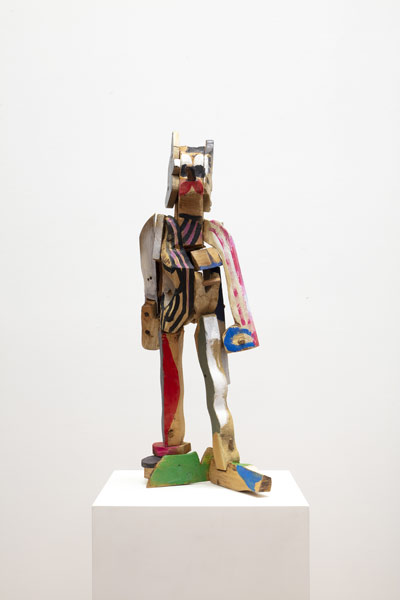
The exhibition brings together more than one hundred works by fundamental artists of Mexican and Latin American art, such as Diego Rivera, José Clemente Orozco, David Alfaro Siqueiros, Carlos Mérida and Luis Nishizawa; as well as by established contemporary creators such as Magali Lara, Carla Rippey, Naomi Siegmann, Zalathiel Vargas, Eduardo Terrazas and Gabriel de la Mora; in addition to proposals by emerging and mid-career artists such as Fabiola Menchelli, Gaby Lobato, Perla Mata Chairez, Paulina Zamora, David Miranda, Erik Meyenberg and Sanaz Sohrabi, among others.
It is worth noting that some foundational works will be returned to the gallery after nearly four years of being out of public view. This includes two gouaches with amorphous, stony figures by Luis Nishizawa ( Untitled , 1960 and 1963), as well as the pencil drawings Head of a Woman (1920) by Diego Rivera and Nude (1945) by José Clemente Orozco. In addition, well-known paintings from the MACG's founding collection will be on display, such as Death and Funeral of Cain (1947) by David Alfaro Siqueiros; The Teules IV (1947) by José Clemente Orozco; and Woman in Green (1916) by Diego Rivera.
In November of this year, the exhibition will enter a second phase with the inclusion and rotation of works that reinforce the idea that any interpretation of a collection remains open and in constant transformation. The project also includes a public program of activities comprised of talks, workshops, and performances linked to the exhibition's curatorial themes.
Clusters and Variations: Readings from the MACG Collection, Block I will open on June 12 at 7:00 p.m. and will be on view until November 8, 2026, on the first floor of the Carrillo Gil Art Museum. The museum is located at Avenida Revolución No. 1608, Colonia San Ángel, Mexico City, and is open Tuesday through Sunday, from 10:00 a.m. to 6:00 p.m.
La Secretaría de Cultura del Gobierno de México y el Instituto Nacional de Bellas Artes y Literatura (INBAL), a través del Museo de Arte Carrillo Gil (MACG), presentan Cúmulos y variaciones. Lecturas de la colección MACG. Bloque I, proyecto expositivo que propone una revisión crítica del acervo del museo mediante un montaje experimental que invita a reflexionar sobre temáticas vinculadas a la historia del arte en diálogo con la realidad actual.
La secretaria de Cultura del Gobierno de México, Claudia Curiel de Icaza, enfatizó que “una colección pública no permanece viva sólo porque se conserva, sino porque vuelve a encontrarse con el público desde nuevas preguntas. Cúmulos y variaciones permite mirar el acervo del Museo de Arte Carrillo Gil -cuya vocación ha sido poner en diálogo obras fundamentales del arte moderno mexicano con los lenguajes contemporáneos- como un campo de relaciones: obras fundacionales dialogan con prácticas actuales y abren lecturas sobre la imagen, el territorio, el cuerpo, la ciudad y las formas en que el arte interpreta su tiempo. Este proyecto confirma la importancia de investigar, cuidar y activar nuestras colecciones para que sigan produciendo sentido en el presente”.
La muestra, curada por Esteban King Álvarez, retoma la vocación histórica del MACG como un espacio comprometido tanto con su presente como con la conservación, investigación y difusión del patrimonio artístico legado por el matrimonio Carrillo Gil al Estado mexicano. A partir de una nueva aproximación curatorial a su acervo, la exposición propone un diálogo entre obras de distintas temporalidades, formatos y contextos, subrayando la capacidad de la colección para generar interpretaciones renovadas desde el presente.
Cercana a la disposición de los salones de pintura del siglo XIX, ambientados y diseñados para exhibir la mayor cantidad de obras posibles, la exposición yuxtapone piezas y genera ritmos de lectura que propician relaciones visuales y conceptuales entre obras históricas y producciones recientes, partiendo de la idea de que el significado de una colección se transforma constantemente con cada nuevo montaje y recorrido.
La propuesta curatorial se desarrolla a partir de cuatro núcleos temáticos; Tecnologías del lenguaje explora distintos soportes y aproximaciones a la escritura visual; Vanguardias revisa la vigencia de esta noción mediante búsquedas formales, abstracción y representación del movimiento; Antropoceno aborda el impacto de la humanidad sobre el entorno desde el paisaje, la figura humana y las representaciones del mundo animal y vegetal; mientras que Vida cotidiana se centra en fenómenos urbanos contemporáneos y en distintas aproximaciones críticas a la experiencia colectiva.
La exposición reúne más de un centenar de obras de artistas fundamentales del arte mexicano y latinoamericano, como Diego Rivera, José Clemente Orozco, David Alfaro Siqueiros, Carlos Mérida y Luis Nishizawa; así como de creadoras y creadores contemporáneos ya consolidados como Magali Lara, Carla Rippey, Naomi Siegmann, Zalathiel Vargas, Eduardo Terrazas y Gabriel de la Mora; además de propuestas de artistas emergentes y de trayectoria media como Fabiola Menchelli, Gaby Lobato, Perla Mata Chairez, Paulina Zamora, David Miranda, Erik Meyenberg, Sanaz Sohrabi, entre otras.
Cabe destacar que algunas obras fundacionales volverán a exhibirse en sala tras casi cuatro años sin mostrarse al público. Tal es el caso de dos gouaches con figuras amorfas y pétreas de Luis Nishizawa (Sin título, 1960 y 1963), así como de los dibujos a lápiz Cabeza de mujer (1920), de Diego Rivera, y Desnudo (1945), de José Clemente Orozco. Además, se mostrarán piezas pictóricas ya conocidas de la colección fundacional del MACG, como Muerte y funerales de Caín (1947), de David Alfaro Siqueiros; Los Teules IV (1947), de José Clemente Orozco, y Mujer en verde (1916), de Diego Rivera.
En noviembre de este año, la exposición tendrá una segunda fase con la inclusión y rotación de obras que refuerzan la idea de que toda lectura de una colección permanece abierta y en constante transformación. Asimismo, el proyecto contempla un programa público de actividades integrado por charlas, talleres y performances vinculados a los ejes curatoriales de la muestra.
Cúmulos y variaciones. Lecturas de la colección MACG. Bloque I será inaugurada el 12 de junio, a las 19 horas, y podrá visitarse hasta el 8 de noviembre de 2026 en el Piso 1 del Museo de Arte Carrillo Gil. El museo se encuentra en Avenida Revolución núm. 1608, colonia San Ángel, Ciudad de México, y brinda servicio de martes a domingo, de 10 a 18 horas.
No items found.