Abel Quezada and his critical and ironic view of sports arrives at the Kaluz Museum
Abel Quezada y su mirada crítica e irónica sobre los deportes llega al Museo Kaluz
“Mexico-Mexico-Mexico!...” brings together 82 pieces, including cardboard cutouts, paintings, watercolors and previously unseen archival material, says Ery Camara
"¡México-México-México!...” reúne 8 2 piezas, entre cartones, pinturas, acuarelas y material de archivo inédito, dice Ery Camara
3.7.2026
Eleane C Herrera Montejano
Eleane C Herrera Montejano
In “The Feast of the Scream” by Abel Quezada Alarcón (1920-1991), death stands in front of a football stadium where a mountain of bodies overflows: “Fill every void in your life with sports,” says the character in this unpublished work.
Created by the Mexican artist in 1986, this cartoon was not published in newspapers at the time, but it can be seen starting this Sunday, July 5, the day of the 'world cup' match Mexico vs England, when the Kaluz Museum opens the doors of the exhibition “Mexico-Mexico-Mexico! Abel Quezada between art and sport”.
“He wrote the texts himself, and that combination holds an eloquence that transcends time. Today I believe that what he says about football is still very relevant,” comments the curator, Ery Camara.
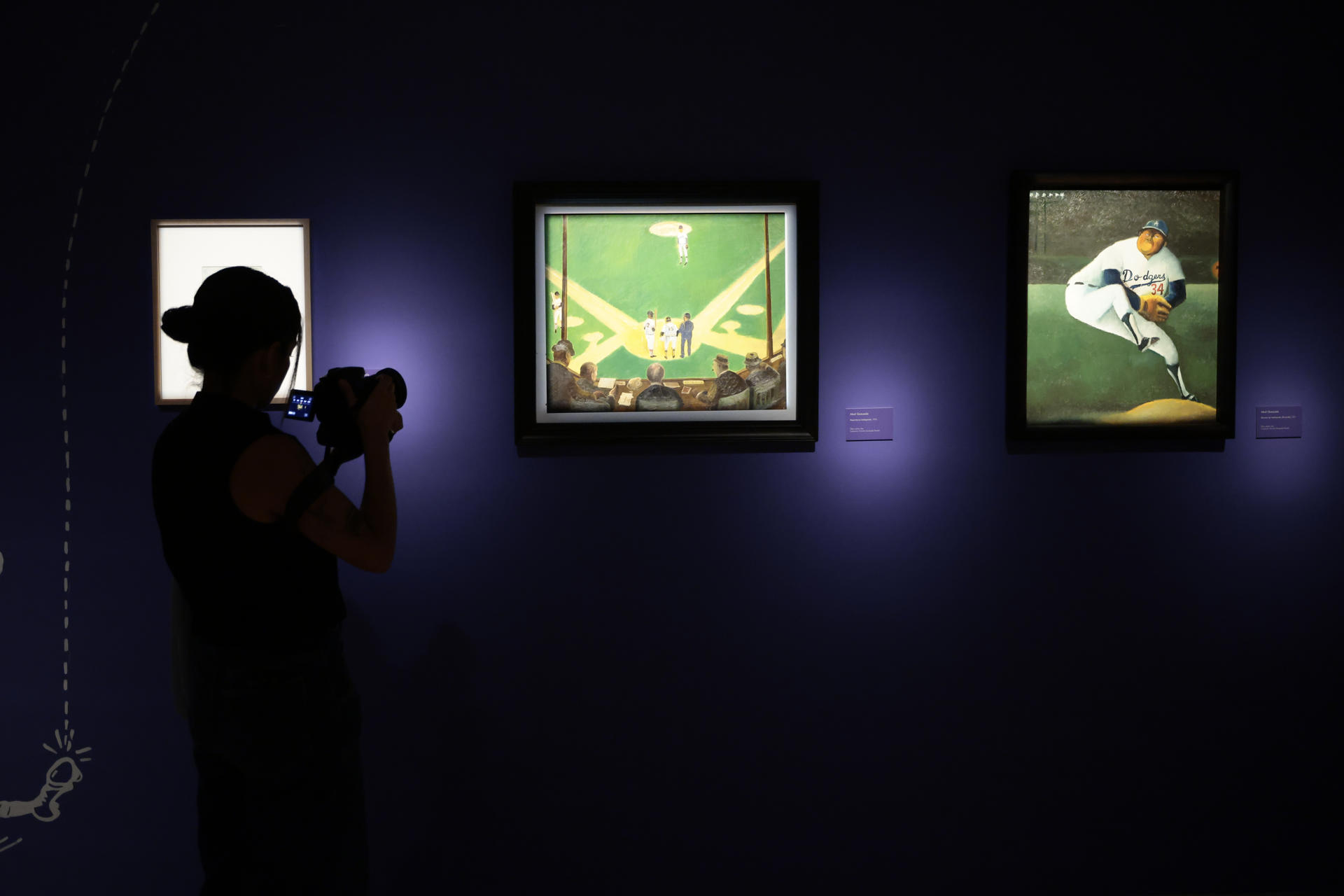
The exhibition brings together 82 pieces, including cardboards, paintings, watercolors and unpublished archival material organized into sections and an “interactive” room, where you can review the bibliography and texts of Abel Quezada.
“The interesting thing is to allow the public to read it and draw their own conclusions. And now that the media is saying 'What if?', it seems like an opportunity,” says Ery Camara, during a tour in the days leading up to the opening.
THE EXHIBIT
In the context of the 2026 FIFA World Cup in Mexico City, the curator, Ery Camara, head of conservation at the Kaluz Museum, proposes an interpretation of the sport through the humor, irony, and social critique that characterized the work of Abel Quezada. It begins with the section “The Many Faces of Abel Quezada.”
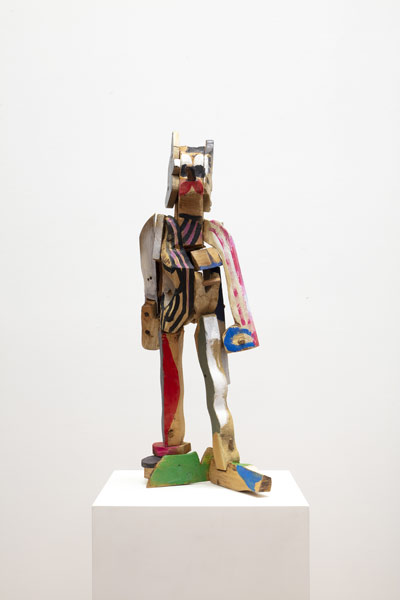
Next comes “The Game: Between Art and Sport,” where jockeys, runners, tennis and billiards players, baseball players, and boxers come together; and then “Criticism and Humor on the Field.” Among the works that come from the Quezada Rueda Family Collection, Galería Proyectos Monclova, the Kaluz Museum, and private collections, some pieces stand out, such as “The Divine Ones: The Train of My Friends” (1987), “The Manipulator of Men” (1981), “Soccer Game in a Folded City” (1974), “Homage to David Hockney” (1988), and a series of cartoons published in various print media.
At the end of the tour, an “interactive” room invites the public to create dialogues of emblematic characters from A. Quezada and hang up their versions for others to see.
A-QZ.
Just as was the case with "The Feast of the Scream," there are still unpublished works in the Abel Quezada family archive. "We have more than 16,000 pieces in the archive related to my father's work. We have illustrations, all his advertising work, and many very personal, unpublished texts, diaries, stories, or things that were never published," says the artist's son, also named Abel.
“We ourselves are surprised to find things often; the body of work he left behind is very rich,” he says. The publication of these texts is pending, as is finding some materials, such as a review written at the 1954 World Cup (in Switzerland).
“We know he went, but we don’t know if he made a drawing or wrote something; that’s lost. We’re going to need to find it.” Abel, his son, jokes a bit, saying he “shouldn’t say” how little his father liked soccer. “He wasn’t much of a soccer fan, to be honest, just between us. He liked baseball more. I have a lot of stories about that. He really liked sports, but he was from the north of the country, which is a big baseball region. I don’t think soccer appealed to him much,” he shares.
However, although football was not his favorite sport, the heir concedes that it was an important topic of reflection for his father and that if he were still alive he would undoubtedly be interested in the World Cup phenomenon that has sparked street protests and unprecedented celebrations.
“Above all, the reaction of the people, the billions of people taking to the streets, I don’t think anyone would have remained silent about it.” In this and other aspects, Abel Quezada’s work remains so relevant that “it could be published tomorrow.”
“The works are incredibly relevant today, and I don’t know how to interpret that: whether we really haven’t progressed at all, or whether it’s a cyclical thing we have in Mexico, that things repeat themselves and we have the same problems, that we’ve only partially solved them or haven’t solved them at all.”
“Mexico-Mexico-Mexico! Abel Quezada between art and sport” can be visited from July 5 to August 31, 2026 in the Multipurpose Room, Ground Floor of the Kaluz Museum. In addition, this exhibition will be accompanied by a program of activities about sport, which will address three angles: sport as a cultural spectacle, as a narrative and as a mirror of Mexican society.
There will be talks with specialists, film screenings, workshops, guided tours, and other experiences that the museum team will announce soon through the website https://museokaluz.org/ and social media @museokal
En “La fiesta del alarido” de Abel Quezada Alarcón (1920-1991), la muerte se para frente a un estadio de fútbol donde se desborda una montaña de cuerpos: “Todo hueco en tu vida llénalo con deportes”, dice el personaje de esta obra inédita.
Creado por el artista mexicano en 1986, este cartón no llegó a publicarse en periódicos en su momento, pero se podrá conocer a partir de este domingo 5 de julio, día del partido ‘mundialista’ México vs Inglaterra, cuando el Museo Kaluz abrirá las puertas de la exposición “¡México-México-México! Abel Quezada entre arte y deporte”.
“Él mismo escribía los textos y esa combinación guarda una elocuencia que trasciende el tiempo. Hoy creo que lo que dice del fútbol es algo muy vigente”, comenta el curador, Ery Camara.
La muestra reúne 82 piezas, entre cartones, pinturas, acuarelas y material de archivo inédito organizados en núcleos y una sala “interactiva”, donde se puede revisar la bibliografía y textos de Abel Quezada.
“Lo interesante es permitir al público leerlo y hacer su propia deducción. Y hoy que está diciéndose en los medios ‘¿Y sí sí?’ me parece una oportunidad”, indica Ery Camara, en un recorrido días previos a la inauguración.
LA MUESTRA
En contexto del Mundial de Fútbol 2026 en la Ciudad de México, la curaduría del responsable del área de conservación de las colecciones del Museo Kaluz, Ery Camara propone una lectura del deporte a través del humor, la ironía y la crítica social que caracterizaron la obra de Abel Quezada.Comienza con el núcleo “Los múltiples rostros de Abel Quezada”.
Luego, siguen “El juego: entre arte y deporte” donde se aglomeran jinetes, corredores, jugadores de tenis y billar, beisbolistas y boxeadores; y luego “Crítica y el humor en la cancha”.Entre las obras que provienen de la Colección Familia Quezada Rueda, Galería Proyectos Monclova, el Museo Kaluz y colecciones particulares, sobresalen algunas piezas como “Los divinos: El tren de mis amigos”(1987), “El manipulador de hombres” (1981), “Juego de fútbol en una ciudad doblada” (1974), “Homenaje a David Hockney” (1988) y una serie de cartones publicados en distintos medios impresos.
Al final del recorrido, una sala “interactiva” invita al público a crear los diálogos de personajes emblemáticos de A. Quezada y colgar sus versiones para que otros las vean.
A-QZ.
Así como era el caso de “La fiesta del alarido”, en el archivo de la familia de Abel Quezada todavía quedan obras inéditas.“Tenemos más de 16, 000 piezas en el archivo relacionadas con la obra de mi padre. Tenemos ilustración, todo lo que hizo de publicidad y muchos textos inéditos muy personales, diarios o cuentos o cosas que no se llegaron a publicar”, informa el hijo del artista, también de nombre Abel.
“Nosotros mismos nos sorprendemos de encontrar cosas seguido, es muy rica la obra que dejó”, expresa.La publicación de dichos textos está pendiente, así como encontrar algunos materiales, tales que una reseña realizada en el Mundial 1954 (en Suiza).
“Sabemos que fue, pero no sabemos si [hizo] un dibujo, si un texto, está perdido eso, vamos a necesitar encontrarlo”.Por otra parte, Abel hijo bromea un poco al decir “que no debería decir” lo poco que le gustaba a su padre el futbol.“No era muy futbolero, la verdad, aquí entre nos. Le gustaba más el béisbol, ahí sí tengo muchas anécdotas, le gustaban mucho los deportes, pero era del norte del país, donde es una zona muy beisbolera, creo que el futbol no lo atrajo mucho”, comparte.
Sin embargo, aunque el fútbol no era su deporte favorito, el heredero concede que fue un tema de reflexión importante para su padre y que de seguir vivo sin duda se interesaría en el fenómeno mundialista que ha suscitado la toma de calles y festejos sin precedentes.
“Sobre todo la reacción de la gente, de salir miles de millones de gentes, no creo que se hubiera quedado callado al respecto”.En éste y otros aspectos, el trabajo de Abel Quezada sigue tan vigente que “se podrían publicar mañana”.
“Las obras son de una actualidad increíble y no sé cómo interpretar eso: si realmente no hemos progresado en lo absoluto o si es una cosa cíclica que tenemos en México, que las cosas se repiten y tenemos los mismos problemas, que hemos resuelto medias o no hemos resuelto”.
“¡México-México-México! Abel Quezada entre arte y deporte” se podrá visitar del 5 de julio hasta el 31 de agosto 2026 en la Sala Polivalente, Planta Baja del Museo Kaluz.Asimismo, esta muestra se acompañará de un programa de actividades sobre el deporte, que abordará tres ángulos: el deporte como espectáculo cultural, como relato y como espejo de la sociedad mexicana.
Habrá conversaciones con especialistas, proyecciones cinematográficas, talleres, visitas guiadas y otras experiencias que el equipo del recinto dará a conocer próximamente a través de la página web https://museokaluz.org/ y redes sociales @museokal
No items found.