Rituales de tierra y sal
Por Vera Castillo
Patricia Ochoa es una artista colimense cuyo desarrollo en la pintura remite tanto en lo material como en lo temático a la producción pictórica de inicios del siglo XX en México. En ese periodo se buscó construir una estética que, a través del género del paisaje y la revaloración del entorno natural, permitiera destacar las “cualidades distintivas de la identidad mexicana”. Si bien Ochoa no pretende abordar directamente esta noción de identidad nacional, su obra deja ver una marcada afinidad con los paisajes apacibles de la región colimense. Aunque su pintura puede parecer anclada a un ámbito íntimo y familiar, también configura un entorno social profundamente vinculado con la historia de Colima.
Esta exposición, titulada Rituales de tierra y sal, reúne pinturas que forman parte de la producción de la artista a lo largo de la última década, con el propósito de acercar al público a prácticas pictóricas desarrolladas fuera de la Ciudad de México y dar a conocer las intenciones e intereses de Patricia Ochoa. Asimismo, invita a adentrarse en la región del Occidente del país y a apreciar no solo las cualidades materiales de su trabajo, sino también la dimensión temática que articula su propuesta.
En sus pinturas, Patricia Ochoa representa actividades humanas y costumbres características de distintos municipios de Colima, abarcando desde su desarrollo social y cultural hasta los procesos económicos de diversas comunidades. Un ejemplo de ello es la obra titulada Todo bajo la Parota (2024), en la que se observan familias en pleno festejo de un cumpleaños, con toda la parafernalia que implica: la preparación de alimentos, el momento de romper la piñata y las actividades de esparcimiento, como nadar en un riachuelo, jugar fútbol, compartir una comida colectiva o un baile colectivo. Todo ocurre bajo un imponente árbol de parota que ocupa una buen parte de la composición, albergando una variedad de aves que descansan sobre las ramas del vasto árbol. La pintura nos invita a imaginar el trino de aquella parvada que se extiende del lienzo al entorno.
Algo similar sucede en la pintura El Centinela (2020), donde, a partir de sus recuerdos familiares, la artista da cuenta de la actividad económica de un rancho propiedad de su familia, ubicado en la ribera del río Marabasco, en el límite geográfico entre Colima y Jalisco, cerca del océano Pacífico. Se trata de una obra que presenta un rasgo distintivo en su trabajo: una perspectiva aérea que permite apreciar la extensión del territorio. Esta vista de pájaro no solo permite ubicar el espacio donde se encontraba el rancho, un lugar en el que Ochoa vivió durante su primera infancia y hasta los siete años, sino también reconocer las labores de quienes trabajaban ahí. La pintura fue realizada a partir de los recuerdos de la artista: un entorno rodeado de canales de agua dulce y vegetación, así como la pequeña escuela fundada por su padre para las hijas e hijos de los trabajadores. Para Patricia Ochoa, esta obra constituye un homenaje a quienes formaron parte de la vida del rancho El Centinela, y al mismo tiempo, una forma de compartir su historia familiar con otras personas cuyas experiencias han sido distintas.
A partir de la representación de estructuras geológicas como los volcanes, así como de la flora y la fauna, artistas de inicios del siglo XX construyeron parte del imaginario de México como un territorio primordialmente rural, aunque en constante transformación con el surgimiento de grandes ciudades. Algo similar ocurre en la obra de Patricia Ochoa titulada Volcán con árboles (2021), en la que se aprecia el Volcán de Colima, una formación geológica que fue representada en su momento por José María Velasco y el Dr. Atl, rodeada de árboles floreados de distintas especies. Asimismo, en Volcán desde el puente de Colima (2019) se presenta otra perspectiva de este mismo volcán. En este caso, ya no se trata de un paisaje distante donde predomina la biodiversidad, sino de una vista más “humana”, es decir, una perspectiva elaborada desde el punto de vista de una persona situada sobre un puente decorado con barro y talavera que cruza un riachuelo.
La pintura titulada Las salinas de Cuyutlán (2025) es otra de las composiciones en la que la artista retoma parte de la historia económica y colectiva de una región ubicada en la costa noroeste del estado de Colima, en el municipio de Armería, donde la actividad salinera es ampliamente reconocida. En México, y particularmente en Colima, la producción de sal ha sido un pilar fundamental del desarrollo económico desde la época colonial, dando a las salineras de la región un papel relevante en la actividad comercial desde entonces. En el caso específico de Cuyutlán, se produce sal marina de manera tradicional. En su pintura, Ochoa muestra, nuevamente desde una perspectiva aérea, una minuciosa escena que presenta los procesos procesos para la extracción de la sal a partir de la creación de pequeños estanques en el suelo de la laguna durante la temporada de secas. En dichos estanques se deposita agua de mar, que se deja evaporar hasta que, por efecto de la desecación solar, queda únicamente la sal. El interés de Patricia Ochoa por este tema no solo responde a su contexto histórico y social, sino también a una dimensión social: su abuelo fue salinero, por lo que su propia historia se entrelaza con esta tradicional actividad laboral de la región. Además, en la pintura se observa el terreno destinado a las salinas, con los estanques llenos de sal en proceso de recolección por parte de los trabajadores. Al fondo, se distingue el paisaje característico de la zona de Cuyutlán, con cerros y montañas, así como un río que nace en la parte inferior izquierda del cuadro y se extiende hacia el centro superior de la composición. Finalmente, se aprecia una carretera que corre paralela al río y bordea los estanques salineros. La escena pictórica permite examinar la manera en que las actividades humanas transforman el paisaje, particularmente al modificar el terreno, por ejemplo, para la construcción de estanques o la apertura de caminos que facilitan el acceso a las zonas de trabajo.
Los paisajes y escenas típicas presentes en las pinturas de Patricia Ochoa llevan a reinterpretar la profunda conexión que se tiene con la naturaleza: los cuerpos de agua, los árboles y las diversas especies animales que habitan en ellos ocupan un lugar central en su obra. El cuadro El Chupadero (2025) hace evidente su apuesta por las formas orgánicas donde se representa el manglar de Tecomán, un sitio de gran relevancia ecológica, hábitat de numerosas especies de peces y aves. En esta pieza no solo destaca la riqueza del ecosistema y su biodiversidad, sino que también se construye un registro visual de la historia natural del lugar. De este modo, la pintura configura un imaginario en torno al paisaje de la región colimense. Este interés además se vincula con el compromiso de la artista como ecologista desde hace varios años, así como con su preocupación por la protección del medio ambiente y de estos espacios naturales. En sus propias palabras, se trata de “ponerse en defensa de la naturaleza”, de los árboles autóctonos y del territorio, de dejar una huella sobre cómo fueron estos lugares. Este vínculo afectivo con el entorno natural es un rasgo definitorio de su trabajo y tiene raíces en su infancia. Sus padres influyeron de manera significativa en el desarrollo de su sensibilidad: su padre, al invitarla a contemplar los cielos estrellados en el rancho, y su madre, a través de un jardín abundante en plantas y flores que despertó en ella un gusto particular por la vegetación.
La obra de Patricia Ochoa recoge una producción pictórica paisajística de la segunda década del siglo XX en México, en las que se promovía un "llamado del campo" y cuyos ecos de cierta nostalgia primitivista y prístina se escuchan hasta nuestros días. En este sentido, su obra puede situarse dentro de una extensa tradición en México preocupada por abordar la vida fuera de la ciudad y sus actividades. La soltura de su pincel nos recuerdan a la impresiones bucólicas de Ramón Cano Manilla o a los moteados paisajes de Fernando Castillo, pero sin duda alguna, la propuesta plástica de Patricia Ochoa se distingue por el planteamiento del retorno al terruño y a la vida alejada del ritmo urbano, vinculadas con actividades recreativas y laborales distintas, así como con una temporalidad más pausada. De hecho, la contemplación de sus pinturas exige del espectador una mirada atenta: cada obra invita a descubrir detalles que articulan pequeñas historias dentro de una narrativa mayor.
En la obra de Patricia Ochoa hay una intención constante de preservar visualmente un territorio, un espacio o un momento: un paisaje, una reunión familiar, una jornada de trabajo, un baile en el kiosco de un pueblo o incluso la vida cotidiana. En este sentido, su pintura no solo documenta, sino que también propone una forma de mirar y valorar el entorno de lo propio.
Rituals of soil and water
By Vera Castillo
Patricia Ochoa is an artist from Colima whose development in painting refers both materially and thematically to pictorial production in early twentieth-century Mexico. During that period, there was an effort to construct an aesthetic that would highlight the “distinctive qualities of Mexican identity” through the genre of landscape and the revaluation of the natural environment. Although Ochoa does not intend to address this notion of national identity directly, her work does reveal a marked affinity with the peaceful landscapes of the Colima region. Though her painting might seem anchored in an intimate and familiar setting, it also configures a social milieu deeply linked to Colima's history.
This exhibition, titled Rituals of Soil and Salt, brings together paintings that the artist has produced over the past decade, with the aim of bringing the public closer to pictorial practices developed outside of Mexico City and acquainting it with Patricia Ochoa’s intentions and interests. It also invites visitors to delve into the western part of the country and to appreciate not only the material qualities of her work but also the thematic dimension that her project explores.
Ochoa’s paintings represent human activities and characteristic customs from different municipalities in Colima, encompassing everything from social and cultural development to the economic processes of various communities. For example, Todo bajo la parota (Everything Beneath the Elephant-Ear Tree, 2024) depicts families in the midst of a birthday celebration, with all the paraphernalia that entails: food being prepared, the moment when the piñata is broken, and recreational activities like swimming in a stream, playing soccer, sharing a communal meal, or a dancing in a group. Everything takes place under an imposing elephant-ear tree, which occupies much of the composition, sheltering a variety of birds that rest on the branches of the vast tree. The painting invites us to imagine the sound of that flock, which extends from the canvas into its surroundings.
Something similar occurs in El Centinela (2020), where, drawing from own her family memories, the artist accounts for the economic activity of a ranch owned by her family, located on the banks of the Marabasco River, at the geographical border between Colima and Jalisco, near the Pacific Ocean. This piece presents a distinctive feature of her practice: an aerial perspective that allows us to appreciate the extent of the territory. This bird's-eye view not only allows us to situate the space where the ranch was located—where Ochoa lived from her early childhood up to the age of seven—but also to recognize the labor of those who worked there. The artist made the painting on the basis of her own memories: an area surrounded by freshwater canals and vegetation, as well as the small school that her father founded for the workers’ children. For Patricia Ochoa, this work constitutes a tribute to those who were part of life at El Centinela ranch, and at the same time, a way of sharing her family history with others whose experiences have been different.
By representing geological features like volcanoes, as well as flora and fauna, early twentieth-century artists constructed part of the imaginary of Mexico as a fundamentally rural land, albeit in constant transformation with the emergence of large cities. Something similar occurs in Volcán con árboles (Volcano with Trees, 2021), which features the Colima Volcano—a geological formation that was represented in its time by José María Velasco and Dr. Atl—surrounded by different species of flowering trees. Likewise, Volcán desde el puente de Colima (Volcano from the Colima Bridge, 2019) presents another view of the same volcano. In the latter case, it is no longer a distant landscape where biodiversity predominates, but rather a more “human” view; that is, a perspective elaborated from the point of view of someone on a bridge over a stream, decorated with clay and talavera.
The painting Las salinas de Cuyutlán (The Salt Works of Cuyutlán, 2025) is another composition in which the artist takes up some of the economic and collective history of an area on the northwest coast of the state of Colima, in the municipality of Armería, well known for its salt production. In Mexico, and particularly in Colima, salt production has been a fundamental pillar of economic development since the colonial era, giving the region’s salt works a relevant role in commercial activity ever since. In the specific case of Cuyutlán, sea salt is collected in a traditional way. Ochoa’s painting is another detailed aerial scene that presents the process of extracting salt by creating small pools on the lagoon floor during the dry season. Seawater gets deposited in these ponds and left to evaporate from the heat of the sun, until only the salt remains. Patricia Ochoa’s interest in this subject comes not only from its historical and social context but also from a personal dimension: her grandfather was a salt worker, so her own history is intertwined with this traditional labor activity of the region. Additionally, the painting depicts the land destined for the salt works, with the pools full of salt in the process of being collected by workers. The characteristic landscape of the Cuyutlán area is visible in the background, with hills and mountains as well as a river that starts in the lower left part of the canvas and extends toward the upper center of the composition. Finally, a highway runs parallel to the river, bordering the salt pools. The pictorial scene allows us to examine how human activities transform the landscape, particularly by modifying the terrain, for example, by building pools or paving roads that facilitate access to work areas.
The landscapes and typical scenes featured in Patricia Ochoa’s paintings lead to a reinterpretation of our deep connection with nature: bodies of water, trees, and the diverse animal species that inhabit them occupy a central place in her work. The painting El Chupadero (2025) makes evident her commitment to organic forms, representing the Tecomán mangrove, an ecologically important area and a habitat for many species of fish and birds. This piece not only highlights the richness of the ecosystem and its biodiversity but also leaves a visual record of the site’s natural history. In this way, the painting constructs an imaginary from the landscape of the Colima region. This interest is also linked to the artist's commitment as an ecologist for several years, as well as her concern for the protection of the environment and these natural spaces. As she puts it, it is about “defending nature,” native trees, and the territory, leaving a record of what these places were like. This affective bond with the natural environment is a defining feature of her work, with roots in her childhood. Her parents significantly influenced the development of her sensibility: her father by inviting her to contemplate the starry skies at the ranch, and her mother through an abundant garden of plants and flowers that awakened in her a special fondness for vegetation.
Patricia Ochoa’s work draws from the history of landscape painting produced in Mexico in the 1910s, when a “call of the countryside” was being promoted, whose echoes of a certain primitivist and pristine nostalgia are still heard to this day. In this sense, her work can be situated as part of an extensive tradition in Mexico concerned with addressing life outside the city and its activities. The fluidity of her brushwork recalls the bucolic impressions of Ramón Cano Manilla or the dappled landscapes of Fernando Castillo, but Patricia Ochoa’s visual approach is undoubtedly distinguished by her position toward returning to her homeland and to life away from the urban rhythm, linked to different recreational and work activities, as well as to a more leisurely temporality. In fact, contemplating her paintings demands an attentive gaze from the viewer: each work invites one to discover details that tell small stories within a bigger narrative.
In Patricia Ochoa’s work there is a steadfast intention to visually preserve a territory, a space, or a moment: a landscape, a family gathering, a workday, a dance in a town pavilion, or even everyday life. In this sense, her painting not only documents but also proposes a way of looking at and valuing one’s own environment.

Óleo sobre lienzo, enmarcado en madera de cedro
84.5 x 104.5 x 4 cm
What’s a Rich Text element?
What’s a Rich Text element?The rich text element allows you to create and format headings, paragraphs, blockquotes, images, and video all in one place instead of having to add and format them individually. Just double-click and easily create content.
The rich text element allows you to create and format headings, paragraphs, blockquotes, images, and video all in one place instead of having to add and format them individually. Just double-click and easily create content.Static and dynamic content editing
Static and dynamic content editingA rich text element can be used with static or dynamic content. For static content, just drop it into any page and begin editing. For dynamic content, add a rich text field to any collection and then connect a rich text element to that field in the settings panel. Voila!
A rich text element can be used with static or dynamic content. For static content, just drop it into any page and begin editing. For dynamic content, add a rich text field to any collection and then connect a rich text element to that field in the settings panel. Voila!How to customize formatting for each rich text
How to customize formatting for each rich textHeadings, paragraphs, blockquotes, figures, images, and figure captions can all be styled after a class is added to the rich text element using the "When inside of" nested selector system.
Headings, paragraphs, blockquotes, figures, images, and figure captions can all be styled after a class is added to the rich text element using the "When inside of" nested selector system.Oil on canvas, framed in cedar wood
33.27 x 41.14 x 1.57 in
What’s a Rich Text element?
What’s a Rich Text element?The rich text element allows you to create and format headings, paragraphs, blockquotes, images, and video all in one place instead of having to add and format them individually. Just double-click and easily create content.
The rich text element allows you to create and format headings, paragraphs, blockquotes, images, and video all in one place instead of having to add and format them individually. Just double-click and easily create content.Static and dynamic content editing
Static and dynamic content editingA rich text element can be used with static or dynamic content. For static content, just drop it into any page and begin editing. For dynamic content, add a rich text field to any collection and then connect a rich text element to that field in the settings panel. Voila!
A rich text element can be used with static or dynamic content. For static content, just drop it into any page and begin editing. For dynamic content, add a rich text field to any collection and then connect a rich text element to that field in the settings panel. Voila!How to customize formatting for each rich text
How to customize formatting for each rich textHeadings, paragraphs, blockquotes, figures, images, and figure captions can all be styled after a class is added to the rich text element using the "When inside of" nested selector system.
Headings, paragraphs, blockquotes, figures, images, and figure captions can all be styled after a class is added to the rich text element using the "When inside of" nested selector system.
Óleo sobre lienzo, enmarcado en madera de cedro
114 x 104 x 4 cm
What’s a Rich Text element?
What’s a Rich Text element?The rich text element allows you to create and format headings, paragraphs, blockquotes, images, and video all in one place instead of having to add and format them individually. Just double-click and easily create content.
The rich text element allows you to create and format headings, paragraphs, blockquotes, images, and video all in one place instead of having to add and format them individually. Just double-click and easily create content.Static and dynamic content editing
Static and dynamic content editingA rich text element can be used with static or dynamic content. For static content, just drop it into any page and begin editing. For dynamic content, add a rich text field to any collection and then connect a rich text element to that field in the settings panel. Voila!
A rich text element can be used with static or dynamic content. For static content, just drop it into any page and begin editing. For dynamic content, add a rich text field to any collection and then connect a rich text element to that field in the settings panel. Voila!How to customize formatting for each rich text
How to customize formatting for each rich textHeadings, paragraphs, blockquotes, figures, images, and figure captions can all be styled after a class is added to the rich text element using the "When inside of" nested selector system.
Headings, paragraphs, blockquotes, figures, images, and figure captions can all be styled after a class is added to the rich text element using the "When inside of" nested selector system.Oil on canvas, framed in cedar wood
44.88 x 40.94 x 1.57 in
What’s a Rich Text element?
What’s a Rich Text element?The rich text element allows you to create and format headings, paragraphs, blockquotes, images, and video all in one place instead of having to add and format them individually. Just double-click and easily create content.
The rich text element allows you to create and format headings, paragraphs, blockquotes, images, and video all in one place instead of having to add and format them individually. Just double-click and easily create content.Static and dynamic content editing
Static and dynamic content editingA rich text element can be used with static or dynamic content. For static content, just drop it into any page and begin editing. For dynamic content, add a rich text field to any collection and then connect a rich text element to that field in the settings panel. Voila!
A rich text element can be used with static or dynamic content. For static content, just drop it into any page and begin editing. For dynamic content, add a rich text field to any collection and then connect a rich text element to that field in the settings panel. Voila!How to customize formatting for each rich text
How to customize formatting for each rich textHeadings, paragraphs, blockquotes, figures, images, and figure captions can all be styled after a class is added to the rich text element using the "When inside of" nested selector system.
Headings, paragraphs, blockquotes, figures, images, and figure captions can all be styled after a class is added to the rich text element using the "When inside of" nested selector system.
Óleo sobre lienzo, enmarcado en madera de cedro
104 x 114.5 x 4 cm
What’s a Rich Text element?
What’s a Rich Text element?The rich text element allows you to create and format headings, paragraphs, blockquotes, images, and video all in one place instead of having to add and format them individually. Just double-click and easily create content.
The rich text element allows you to create and format headings, paragraphs, blockquotes, images, and video all in one place instead of having to add and format them individually. Just double-click and easily create content.Static and dynamic content editing
Static and dynamic content editingA rich text element can be used with static or dynamic content. For static content, just drop it into any page and begin editing. For dynamic content, add a rich text field to any collection and then connect a rich text element to that field in the settings panel. Voila!
A rich text element can be used with static or dynamic content. For static content, just drop it into any page and begin editing. For dynamic content, add a rich text field to any collection and then connect a rich text element to that field in the settings panel. Voila!How to customize formatting for each rich text
How to customize formatting for each rich textHeadings, paragraphs, blockquotes, figures, images, and figure captions can all be styled after a class is added to the rich text element using the "When inside of" nested selector system.
Headings, paragraphs, blockquotes, figures, images, and figure captions can all be styled after a class is added to the rich text element using the "When inside of" nested selector system.Oil on canvas, framed in cedar wood
40.94 x 45.08 x 1.57 in
What’s a Rich Text element?
What’s a Rich Text element?The rich text element allows you to create and format headings, paragraphs, blockquotes, images, and video all in one place instead of having to add and format them individually. Just double-click and easily create content.
The rich text element allows you to create and format headings, paragraphs, blockquotes, images, and video all in one place instead of having to add and format them individually. Just double-click and easily create content.Static and dynamic content editing
Static and dynamic content editingA rich text element can be used with static or dynamic content. For static content, just drop it into any page and begin editing. For dynamic content, add a rich text field to any collection and then connect a rich text element to that field in the settings panel. Voila!
A rich text element can be used with static or dynamic content. For static content, just drop it into any page and begin editing. For dynamic content, add a rich text field to any collection and then connect a rich text element to that field in the settings panel. Voila!How to customize formatting for each rich text
How to customize formatting for each rich textHeadings, paragraphs, blockquotes, figures, images, and figure captions can all be styled after a class is added to the rich text element using the "When inside of" nested selector system.
Headings, paragraphs, blockquotes, figures, images, and figure captions can all be styled after a class is added to the rich text element using the "When inside of" nested selector system.
Óleo sobre lienzo, enmarcado en madera de cedro
84.5 x 94.5 x 4 cm
What’s a Rich Text element?
What’s a Rich Text element?The rich text element allows you to create and format headings, paragraphs, blockquotes, images, and video all in one place instead of having to add and format them individually. Just double-click and easily create content.
The rich text element allows you to create and format headings, paragraphs, blockquotes, images, and video all in one place instead of having to add and format them individually. Just double-click and easily create content.Static and dynamic content editing
Static and dynamic content editingA rich text element can be used with static or dynamic content. For static content, just drop it into any page and begin editing. For dynamic content, add a rich text field to any collection and then connect a rich text element to that field in the settings panel. Voila!
A rich text element can be used with static or dynamic content. For static content, just drop it into any page and begin editing. For dynamic content, add a rich text field to any collection and then connect a rich text element to that field in the settings panel. Voila!How to customize formatting for each rich text
How to customize formatting for each rich textHeadings, paragraphs, blockquotes, figures, images, and figure captions can all be styled after a class is added to the rich text element using the "When inside of" nested selector system.
Headings, paragraphs, blockquotes, figures, images, and figure captions can all be styled after a class is added to the rich text element using the "When inside of" nested selector system.Oil on canvas, framed in cedar wood
33.27 x 37.2 x 1.57 in
What’s a Rich Text element?
What’s a Rich Text element?The rich text element allows you to create and format headings, paragraphs, blockquotes, images, and video all in one place instead of having to add and format them individually. Just double-click and easily create content.
The rich text element allows you to create and format headings, paragraphs, blockquotes, images, and video all in one place instead of having to add and format them individually. Just double-click and easily create content.Static and dynamic content editing
Static and dynamic content editingA rich text element can be used with static or dynamic content. For static content, just drop it into any page and begin editing. For dynamic content, add a rich text field to any collection and then connect a rich text element to that field in the settings panel. Voila!
A rich text element can be used with static or dynamic content. For static content, just drop it into any page and begin editing. For dynamic content, add a rich text field to any collection and then connect a rich text element to that field in the settings panel. Voila!How to customize formatting for each rich text
How to customize formatting for each rich textHeadings, paragraphs, blockquotes, figures, images, and figure captions can all be styled after a class is added to the rich text element using the "When inside of" nested selector system.
Headings, paragraphs, blockquotes, figures, images, and figure captions can all be styled after a class is added to the rich text element using the "When inside of" nested selector system.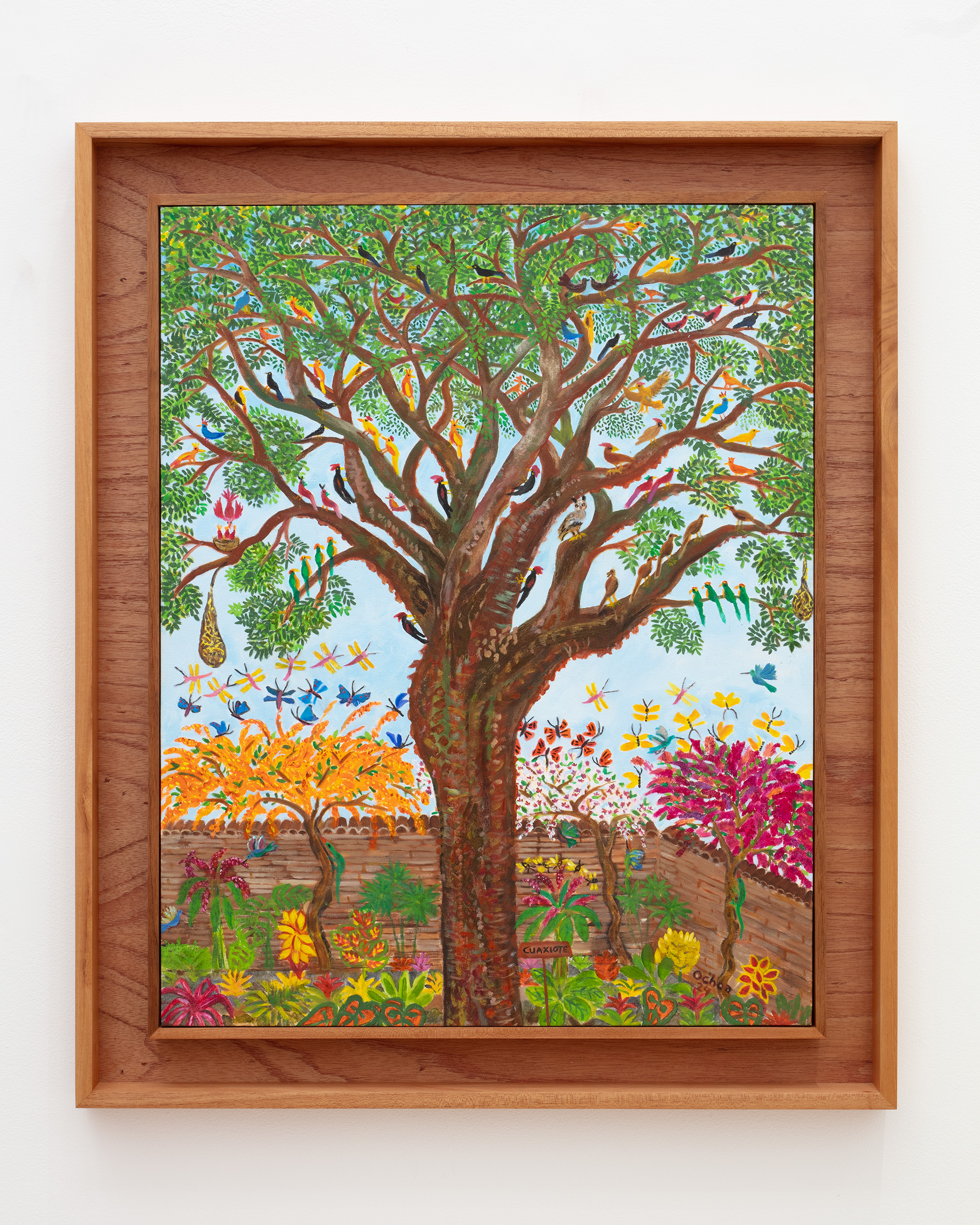
Óleo sobre lienzo, enmarcado en madera de cedro
83.5 x 69.5 x 4 cm
What’s a Rich Text element?
What’s a Rich Text element?The rich text element allows you to create and format headings, paragraphs, blockquotes, images, and video all in one place instead of having to add and format them individually. Just double-click and easily create content.
The rich text element allows you to create and format headings, paragraphs, blockquotes, images, and video all in one place instead of having to add and format them individually. Just double-click and easily create content.Static and dynamic content editing
Static and dynamic content editingA rich text element can be used with static or dynamic content. For static content, just drop it into any page and begin editing. For dynamic content, add a rich text field to any collection and then connect a rich text element to that field in the settings panel. Voila!
A rich text element can be used with static or dynamic content. For static content, just drop it into any page and begin editing. For dynamic content, add a rich text field to any collection and then connect a rich text element to that field in the settings panel. Voila!How to customize formatting for each rich text
How to customize formatting for each rich textHeadings, paragraphs, blockquotes, figures, images, and figure captions can all be styled after a class is added to the rich text element using the "When inside of" nested selector system.
Headings, paragraphs, blockquotes, figures, images, and figure captions can all be styled after a class is added to the rich text element using the "When inside of" nested selector system.Oil on canvas, framed in cedar wood
32.87 x 27.36 x 1.57 in
What’s a Rich Text element?
What’s a Rich Text element?The rich text element allows you to create and format headings, paragraphs, blockquotes, images, and video all in one place instead of having to add and format them individually. Just double-click and easily create content.
The rich text element allows you to create and format headings, paragraphs, blockquotes, images, and video all in one place instead of having to add and format them individually. Just double-click and easily create content.Static and dynamic content editing
Static and dynamic content editingA rich text element can be used with static or dynamic content. For static content, just drop it into any page and begin editing. For dynamic content, add a rich text field to any collection and then connect a rich text element to that field in the settings panel. Voila!
A rich text element can be used with static or dynamic content. For static content, just drop it into any page and begin editing. For dynamic content, add a rich text field to any collection and then connect a rich text element to that field in the settings panel. Voila!How to customize formatting for each rich text
How to customize formatting for each rich textHeadings, paragraphs, blockquotes, figures, images, and figure captions can all be styled after a class is added to the rich text element using the "When inside of" nested selector system.
Headings, paragraphs, blockquotes, figures, images, and figure captions can all be styled after a class is added to the rich text element using the "When inside of" nested selector system.
Óleo sobre lienzo, enmarcado en madera de cedro
84.5 x 94.5 x 4 cm
What’s a Rich Text element?
What’s a Rich Text element?The rich text element allows you to create and format headings, paragraphs, blockquotes, images, and video all in one place instead of having to add and format them individually. Just double-click and easily create content.
The rich text element allows you to create and format headings, paragraphs, blockquotes, images, and video all in one place instead of having to add and format them individually. Just double-click and easily create content.Static and dynamic content editing
Static and dynamic content editingA rich text element can be used with static or dynamic content. For static content, just drop it into any page and begin editing. For dynamic content, add a rich text field to any collection and then connect a rich text element to that field in the settings panel. Voila!
A rich text element can be used with static or dynamic content. For static content, just drop it into any page and begin editing. For dynamic content, add a rich text field to any collection and then connect a rich text element to that field in the settings panel. Voila!How to customize formatting for each rich text
How to customize formatting for each rich textHeadings, paragraphs, blockquotes, figures, images, and figure captions can all be styled after a class is added to the rich text element using the "When inside of" nested selector system.
Headings, paragraphs, blockquotes, figures, images, and figure captions can all be styled after a class is added to the rich text element using the "When inside of" nested selector system.Oil on canvas, framed in cedar wood
33.27 x 37.2 x 1.57 in
What’s a Rich Text element?
What’s a Rich Text element?The rich text element allows you to create and format headings, paragraphs, blockquotes, images, and video all in one place instead of having to add and format them individually. Just double-click and easily create content.
The rich text element allows you to create and format headings, paragraphs, blockquotes, images, and video all in one place instead of having to add and format them individually. Just double-click and easily create content.Static and dynamic content editing
Static and dynamic content editingA rich text element can be used with static or dynamic content. For static content, just drop it into any page and begin editing. For dynamic content, add a rich text field to any collection and then connect a rich text element to that field in the settings panel. Voila!
A rich text element can be used with static or dynamic content. For static content, just drop it into any page and begin editing. For dynamic content, add a rich text field to any collection and then connect a rich text element to that field in the settings panel. Voila!How to customize formatting for each rich text
How to customize formatting for each rich textHeadings, paragraphs, blockquotes, figures, images, and figure captions can all be styled after a class is added to the rich text element using the "When inside of" nested selector system.
Headings, paragraphs, blockquotes, figures, images, and figure captions can all be styled after a class is added to the rich text element using the "When inside of" nested selector system.
Óleo sobre lienzo, enmarcado en madera de cedro
84.5 x 94.5 x 4 cm
What’s a Rich Text element?
What’s a Rich Text element?The rich text element allows you to create and format headings, paragraphs, blockquotes, images, and video all in one place instead of having to add and format them individually. Just double-click and easily create content.
The rich text element allows you to create and format headings, paragraphs, blockquotes, images, and video all in one place instead of having to add and format them individually. Just double-click and easily create content.Static and dynamic content editing
Static and dynamic content editingA rich text element can be used with static or dynamic content. For static content, just drop it into any page and begin editing. For dynamic content, add a rich text field to any collection and then connect a rich text element to that field in the settings panel. Voila!
A rich text element can be used with static or dynamic content. For static content, just drop it into any page and begin editing. For dynamic content, add a rich text field to any collection and then connect a rich text element to that field in the settings panel. Voila!How to customize formatting for each rich text
How to customize formatting for each rich textHeadings, paragraphs, blockquotes, figures, images, and figure captions can all be styled after a class is added to the rich text element using the "When inside of" nested selector system.
Headings, paragraphs, blockquotes, figures, images, and figure captions can all be styled after a class is added to the rich text element using the "When inside of" nested selector system.Oil on canvas, framed in cedar wood
33.27 x 37.2 x 1.57 in
What’s a Rich Text element?
What’s a Rich Text element?The rich text element allows you to create and format headings, paragraphs, blockquotes, images, and video all in one place instead of having to add and format them individually. Just double-click and easily create content.
The rich text element allows you to create and format headings, paragraphs, blockquotes, images, and video all in one place instead of having to add and format them individually. Just double-click and easily create content.Static and dynamic content editing
Static and dynamic content editingA rich text element can be used with static or dynamic content. For static content, just drop it into any page and begin editing. For dynamic content, add a rich text field to any collection and then connect a rich text element to that field in the settings panel. Voila!
A rich text element can be used with static or dynamic content. For static content, just drop it into any page and begin editing. For dynamic content, add a rich text field to any collection and then connect a rich text element to that field in the settings panel. Voila!How to customize formatting for each rich text
How to customize formatting for each rich textHeadings, paragraphs, blockquotes, figures, images, and figure captions can all be styled after a class is added to the rich text element using the "When inside of" nested selector system.
Headings, paragraphs, blockquotes, figures, images, and figure captions can all be styled after a class is added to the rich text element using the "When inside of" nested selector system.
Óleo sobre lienzo, enmarcado en madera de cedro
114.5 x 134.5 x 4 cm
What’s a Rich Text element?
What’s a Rich Text element?The rich text element allows you to create and format headings, paragraphs, blockquotes, images, and video all in one place instead of having to add and format them individually. Just double-click and easily create content.
The rich text element allows you to create and format headings, paragraphs, blockquotes, images, and video all in one place instead of having to add and format them individually. Just double-click and easily create content.Static and dynamic content editing
Static and dynamic content editingA rich text element can be used with static or dynamic content. For static content, just drop it into any page and begin editing. For dynamic content, add a rich text field to any collection and then connect a rich text element to that field in the settings panel. Voila!
A rich text element can be used with static or dynamic content. For static content, just drop it into any page and begin editing. For dynamic content, add a rich text field to any collection and then connect a rich text element to that field in the settings panel. Voila!How to customize formatting for each rich text
How to customize formatting for each rich textHeadings, paragraphs, blockquotes, figures, images, and figure captions can all be styled after a class is added to the rich text element using the "When inside of" nested selector system.
Headings, paragraphs, blockquotes, figures, images, and figure captions can all be styled after a class is added to the rich text element using the "When inside of" nested selector system.Oil on canvas, framed in cedar wood
45.08 x 52.95 x 1.57 in
What’s a Rich Text element?
What’s a Rich Text element?The rich text element allows you to create and format headings, paragraphs, blockquotes, images, and video all in one place instead of having to add and format them individually. Just double-click and easily create content.
The rich text element allows you to create and format headings, paragraphs, blockquotes, images, and video all in one place instead of having to add and format them individually. Just double-click and easily create content.Static and dynamic content editing
Static and dynamic content editingA rich text element can be used with static or dynamic content. For static content, just drop it into any page and begin editing. For dynamic content, add a rich text field to any collection and then connect a rich text element to that field in the settings panel. Voila!
A rich text element can be used with static or dynamic content. For static content, just drop it into any page and begin editing. For dynamic content, add a rich text field to any collection and then connect a rich text element to that field in the settings panel. Voila!How to customize formatting for each rich text
How to customize formatting for each rich textHeadings, paragraphs, blockquotes, figures, images, and figure captions can all be styled after a class is added to the rich text element using the "When inside of" nested selector system.
Headings, paragraphs, blockquotes, figures, images, and figure captions can all be styled after a class is added to the rich text element using the "When inside of" nested selector system.
Óleo sobre lienzo, enmarcado en madera de cedro
114.5 x 134.5 x 4 cm
What’s a Rich Text element?
What’s a Rich Text element?The rich text element allows you to create and format headings, paragraphs, blockquotes, images, and video all in one place instead of having to add and format them individually. Just double-click and easily create content.
The rich text element allows you to create and format headings, paragraphs, blockquotes, images, and video all in one place instead of having to add and format them individually. Just double-click and easily create content.Static and dynamic content editing
Static and dynamic content editingA rich text element can be used with static or dynamic content. For static content, just drop it into any page and begin editing. For dynamic content, add a rich text field to any collection and then connect a rich text element to that field in the settings panel. Voila!
A rich text element can be used with static or dynamic content. For static content, just drop it into any page and begin editing. For dynamic content, add a rich text field to any collection and then connect a rich text element to that field in the settings panel. Voila!How to customize formatting for each rich text
How to customize formatting for each rich textHeadings, paragraphs, blockquotes, figures, images, and figure captions can all be styled after a class is added to the rich text element using the "When inside of" nested selector system.
Headings, paragraphs, blockquotes, figures, images, and figure captions can all be styled after a class is added to the rich text element using the "When inside of" nested selector system.Oil on canvas, framed in cedar wood
45.08 x 52.95 x 1.57 in
What’s a Rich Text element?
What’s a Rich Text element?The rich text element allows you to create and format headings, paragraphs, blockquotes, images, and video all in one place instead of having to add and format them individually. Just double-click and easily create content.
The rich text element allows you to create and format headings, paragraphs, blockquotes, images, and video all in one place instead of having to add and format them individually. Just double-click and easily create content.Static and dynamic content editing
Static and dynamic content editingA rich text element can be used with static or dynamic content. For static content, just drop it into any page and begin editing. For dynamic content, add a rich text field to any collection and then connect a rich text element to that field in the settings panel. Voila!
A rich text element can be used with static or dynamic content. For static content, just drop it into any page and begin editing. For dynamic content, add a rich text field to any collection and then connect a rich text element to that field in the settings panel. Voila!How to customize formatting for each rich text
How to customize formatting for each rich textHeadings, paragraphs, blockquotes, figures, images, and figure captions can all be styled after a class is added to the rich text element using the "When inside of" nested selector system.
Headings, paragraphs, blockquotes, figures, images, and figure captions can all be styled after a class is added to the rich text element using the "When inside of" nested selector system.
Óleo sobre lienzo, enmarcado en madera de cedro
84.5 x 94.5 x 4 cm
What’s a Rich Text element?
What’s a Rich Text element?The rich text element allows you to create and format headings, paragraphs, blockquotes, images, and video all in one place instead of having to add and format them individually. Just double-click and easily create content.
The rich text element allows you to create and format headings, paragraphs, blockquotes, images, and video all in one place instead of having to add and format them individually. Just double-click and easily create content.Static and dynamic content editing
Static and dynamic content editingA rich text element can be used with static or dynamic content. For static content, just drop it into any page and begin editing. For dynamic content, add a rich text field to any collection and then connect a rich text element to that field in the settings panel. Voila!
A rich text element can be used with static or dynamic content. For static content, just drop it into any page and begin editing. For dynamic content, add a rich text field to any collection and then connect a rich text element to that field in the settings panel. Voila!How to customize formatting for each rich text
How to customize formatting for each rich textHeadings, paragraphs, blockquotes, figures, images, and figure captions can all be styled after a class is added to the rich text element using the "When inside of" nested selector system.
Headings, paragraphs, blockquotes, figures, images, and figure captions can all be styled after a class is added to the rich text element using the "When inside of" nested selector system.Oil on canvas, framed in cedar wood
33.27 x 37.2 x 1.57 in
What’s a Rich Text element?
What’s a Rich Text element?The rich text element allows you to create and format headings, paragraphs, blockquotes, images, and video all in one place instead of having to add and format them individually. Just double-click and easily create content.
The rich text element allows you to create and format headings, paragraphs, blockquotes, images, and video all in one place instead of having to add and format them individually. Just double-click and easily create content.Static and dynamic content editing
Static and dynamic content editingA rich text element can be used with static or dynamic content. For static content, just drop it into any page and begin editing. For dynamic content, add a rich text field to any collection and then connect a rich text element to that field in the settings panel. Voila!
A rich text element can be used with static or dynamic content. For static content, just drop it into any page and begin editing. For dynamic content, add a rich text field to any collection and then connect a rich text element to that field in the settings panel. Voila!How to customize formatting for each rich text
How to customize formatting for each rich textHeadings, paragraphs, blockquotes, figures, images, and figure captions can all be styled after a class is added to the rich text element using the "When inside of" nested selector system.
Headings, paragraphs, blockquotes, figures, images, and figure captions can all be styled after a class is added to the rich text element using the "When inside of" nested selector system.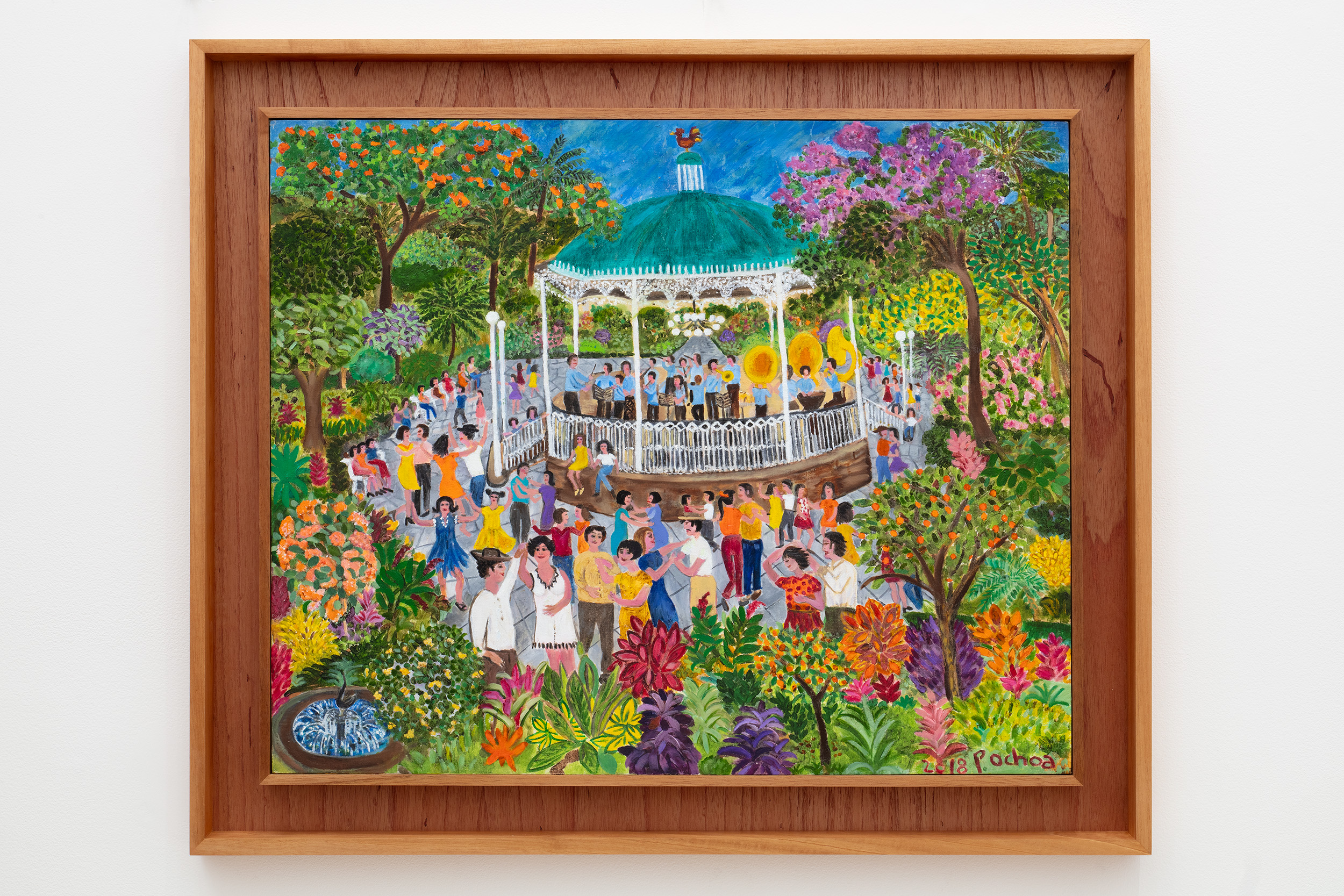
Óleo sobre lienzo, enmarcado en madera de cedro
71.5 x 84.5 x 4 cm
What’s a Rich Text element?
What’s a Rich Text element?The rich text element allows you to create and format headings, paragraphs, blockquotes, images, and video all in one place instead of having to add and format them individually. Just double-click and easily create content.
The rich text element allows you to create and format headings, paragraphs, blockquotes, images, and video all in one place instead of having to add and format them individually. Just double-click and easily create content.Static and dynamic content editing
Static and dynamic content editingA rich text element can be used with static or dynamic content. For static content, just drop it into any page and begin editing. For dynamic content, add a rich text field to any collection and then connect a rich text element to that field in the settings panel. Voila!
A rich text element can be used with static or dynamic content. For static content, just drop it into any page and begin editing. For dynamic content, add a rich text field to any collection and then connect a rich text element to that field in the settings panel. Voila!How to customize formatting for each rich text
How to customize formatting for each rich textHeadings, paragraphs, blockquotes, figures, images, and figure captions can all be styled after a class is added to the rich text element using the "When inside of" nested selector system.
Headings, paragraphs, blockquotes, figures, images, and figure captions can all be styled after a class is added to the rich text element using the "When inside of" nested selector system.Oil on canvas, framed in cedar wood
28.15 x 33.27 x 1.57 in
What’s a Rich Text element?
What’s a Rich Text element?The rich text element allows you to create and format headings, paragraphs, blockquotes, images, and video all in one place instead of having to add and format them individually. Just double-click and easily create content.
The rich text element allows you to create and format headings, paragraphs, blockquotes, images, and video all in one place instead of having to add and format them individually. Just double-click and easily create content.Static and dynamic content editing
Static and dynamic content editingA rich text element can be used with static or dynamic content. For static content, just drop it into any page and begin editing. For dynamic content, add a rich text field to any collection and then connect a rich text element to that field in the settings panel. Voila!
A rich text element can be used with static or dynamic content. For static content, just drop it into any page and begin editing. For dynamic content, add a rich text field to any collection and then connect a rich text element to that field in the settings panel. Voila!How to customize formatting for each rich text
How to customize formatting for each rich textHeadings, paragraphs, blockquotes, figures, images, and figure captions can all be styled after a class is added to the rich text element using the "When inside of" nested selector system.
Headings, paragraphs, blockquotes, figures, images, and figure captions can all be styled after a class is added to the rich text element using the "When inside of" nested selector system.
Óleo sobre lienzo, enmarcado en madera de cedro
71.5 x 84.5 x 4 cm
What’s a Rich Text element?
What’s a Rich Text element?The rich text element allows you to create and format headings, paragraphs, blockquotes, images, and video all in one place instead of having to add and format them individually. Just double-click and easily create content.
The rich text element allows you to create and format headings, paragraphs, blockquotes, images, and video all in one place instead of having to add and format them individually. Just double-click and easily create content.Static and dynamic content editing
Static and dynamic content editingA rich text element can be used with static or dynamic content. For static content, just drop it into any page and begin editing. For dynamic content, add a rich text field to any collection and then connect a rich text element to that field in the settings panel. Voila!
A rich text element can be used with static or dynamic content. For static content, just drop it into any page and begin editing. For dynamic content, add a rich text field to any collection and then connect a rich text element to that field in the settings panel. Voila!How to customize formatting for each rich text
How to customize formatting for each rich textHeadings, paragraphs, blockquotes, figures, images, and figure captions can all be styled after a class is added to the rich text element using the "When inside of" nested selector system.
Headings, paragraphs, blockquotes, figures, images, and figure captions can all be styled after a class is added to the rich text element using the "When inside of" nested selector system.Oil on canvas, framed in cedar wood
28.15 x 33.27 x 1.57 in
What’s a Rich Text element?
What’s a Rich Text element?The rich text element allows you to create and format headings, paragraphs, blockquotes, images, and video all in one place instead of having to add and format them individually. Just double-click and easily create content.
The rich text element allows you to create and format headings, paragraphs, blockquotes, images, and video all in one place instead of having to add and format them individually. Just double-click and easily create content.Static and dynamic content editing
Static and dynamic content editingA rich text element can be used with static or dynamic content. For static content, just drop it into any page and begin editing. For dynamic content, add a rich text field to any collection and then connect a rich text element to that field in the settings panel. Voila!
A rich text element can be used with static or dynamic content. For static content, just drop it into any page and begin editing. For dynamic content, add a rich text field to any collection and then connect a rich text element to that field in the settings panel. Voila!How to customize formatting for each rich text
How to customize formatting for each rich textHeadings, paragraphs, blockquotes, figures, images, and figure captions can all be styled after a class is added to the rich text element using the "When inside of" nested selector system.
Headings, paragraphs, blockquotes, figures, images, and figure captions can all be styled after a class is added to the rich text element using the "When inside of" nested selector system.
Óleo sobre lienzo, enmarcado en madera de cedro
83.5 x 69.5 x 4 cm
What’s a Rich Text element?
What’s a Rich Text element?The rich text element allows you to create and format headings, paragraphs, blockquotes, images, and video all in one place instead of having to add and format them individually. Just double-click and easily create content.
The rich text element allows you to create and format headings, paragraphs, blockquotes, images, and video all in one place instead of having to add and format them individually. Just double-click and easily create content.Static and dynamic content editing
Static and dynamic content editingA rich text element can be used with static or dynamic content. For static content, just drop it into any page and begin editing. For dynamic content, add a rich text field to any collection and then connect a rich text element to that field in the settings panel. Voila!
A rich text element can be used with static or dynamic content. For static content, just drop it into any page and begin editing. For dynamic content, add a rich text field to any collection and then connect a rich text element to that field in the settings panel. Voila!How to customize formatting for each rich text
How to customize formatting for each rich textHeadings, paragraphs, blockquotes, figures, images, and figure captions can all be styled after a class is added to the rich text element using the "When inside of" nested selector system.
Headings, paragraphs, blockquotes, figures, images, and figure captions can all be styled after a class is added to the rich text element using the "When inside of" nested selector system.Oil on canvas, framed in cedar wood
32.87 x 27.36 x 1.57 in
What’s a Rich Text element?
What’s a Rich Text element?The rich text element allows you to create and format headings, paragraphs, blockquotes, images, and video all in one place instead of having to add and format them individually. Just double-click and easily create content.
The rich text element allows you to create and format headings, paragraphs, blockquotes, images, and video all in one place instead of having to add and format them individually. Just double-click and easily create content.Static and dynamic content editing
Static and dynamic content editingA rich text element can be used with static or dynamic content. For static content, just drop it into any page and begin editing. For dynamic content, add a rich text field to any collection and then connect a rich text element to that field in the settings panel. Voila!
A rich text element can be used with static or dynamic content. For static content, just drop it into any page and begin editing. For dynamic content, add a rich text field to any collection and then connect a rich text element to that field in the settings panel. Voila!How to customize formatting for each rich text
How to customize formatting for each rich textHeadings, paragraphs, blockquotes, figures, images, and figure captions can all be styled after a class is added to the rich text element using the "When inside of" nested selector system.
Headings, paragraphs, blockquotes, figures, images, and figure captions can all be styled after a class is added to the rich text element using the "When inside of" nested selector system.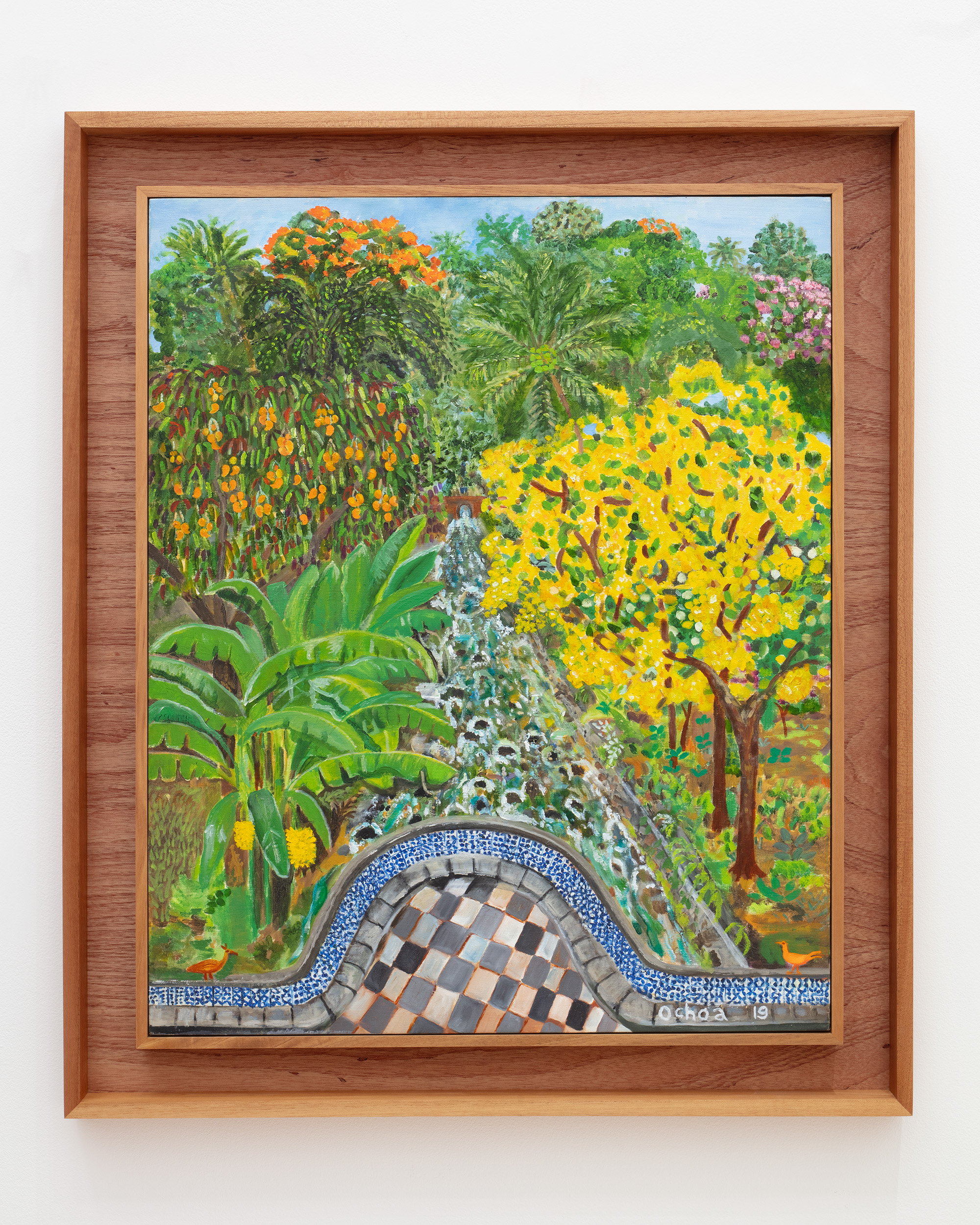
Óleo sobre lienzo, enmarcado en madera de cedro
84.5 x 71.5 x 4 cm
What’s a Rich Text element?
What’s a Rich Text element?The rich text element allows you to create and format headings, paragraphs, blockquotes, images, and video all in one place instead of having to add and format them individually. Just double-click and easily create content.
The rich text element allows you to create and format headings, paragraphs, blockquotes, images, and video all in one place instead of having to add and format them individually. Just double-click and easily create content.Static and dynamic content editing
Static and dynamic content editingA rich text element can be used with static or dynamic content. For static content, just drop it into any page and begin editing. For dynamic content, add a rich text field to any collection and then connect a rich text element to that field in the settings panel. Voila!
A rich text element can be used with static or dynamic content. For static content, just drop it into any page and begin editing. For dynamic content, add a rich text field to any collection and then connect a rich text element to that field in the settings panel. Voila!How to customize formatting for each rich text
How to customize formatting for each rich textHeadings, paragraphs, blockquotes, figures, images, and figure captions can all be styled after a class is added to the rich text element using the "When inside of" nested selector system.
Headings, paragraphs, blockquotes, figures, images, and figure captions can all be styled after a class is added to the rich text element using the "When inside of" nested selector system.Oil on canvas, framed in cedar wood
33.27 x 28.15 x 1.57 in
What’s a Rich Text element?
What’s a Rich Text element?The rich text element allows you to create and format headings, paragraphs, blockquotes, images, and video all in one place instead of having to add and format them individually. Just double-click and easily create content.
The rich text element allows you to create and format headings, paragraphs, blockquotes, images, and video all in one place instead of having to add and format them individually. Just double-click and easily create content.Static and dynamic content editing
Static and dynamic content editingA rich text element can be used with static or dynamic content. For static content, just drop it into any page and begin editing. For dynamic content, add a rich text field to any collection and then connect a rich text element to that field in the settings panel. Voila!
A rich text element can be used with static or dynamic content. For static content, just drop it into any page and begin editing. For dynamic content, add a rich text field to any collection and then connect a rich text element to that field in the settings panel. Voila!How to customize formatting for each rich text
How to customize formatting for each rich textHeadings, paragraphs, blockquotes, figures, images, and figure captions can all be styled after a class is added to the rich text element using the "When inside of" nested selector system.
Headings, paragraphs, blockquotes, figures, images, and figure captions can all be styled after a class is added to the rich text element using the "When inside of" nested selector system.
Óleo sobre lienzo, enmarcado en madera de cedro
84.5 x 71.5 x 4 cm
What’s a Rich Text element?
What’s a Rich Text element?The rich text element allows you to create and format headings, paragraphs, blockquotes, images, and video all in one place instead of having to add and format them individually. Just double-click and easily create content.
The rich text element allows you to create and format headings, paragraphs, blockquotes, images, and video all in one place instead of having to add and format them individually. Just double-click and easily create content.Static and dynamic content editing
Static and dynamic content editingA rich text element can be used with static or dynamic content. For static content, just drop it into any page and begin editing. For dynamic content, add a rich text field to any collection and then connect a rich text element to that field in the settings panel. Voila!
A rich text element can be used with static or dynamic content. For static content, just drop it into any page and begin editing. For dynamic content, add a rich text field to any collection and then connect a rich text element to that field in the settings panel. Voila!How to customize formatting for each rich text
How to customize formatting for each rich textHeadings, paragraphs, blockquotes, figures, images, and figure captions can all be styled after a class is added to the rich text element using the "When inside of" nested selector system.
Headings, paragraphs, blockquotes, figures, images, and figure captions can all be styled after a class is added to the rich text element using the "When inside of" nested selector system.Oil on canvas, framed in cedar wood
33.27 x 28.15 x 1.57 in
What’s a Rich Text element?
What’s a Rich Text element?The rich text element allows you to create and format headings, paragraphs, blockquotes, images, and video all in one place instead of having to add and format them individually. Just double-click and easily create content.
The rich text element allows you to create and format headings, paragraphs, blockquotes, images, and video all in one place instead of having to add and format them individually. Just double-click and easily create content.Static and dynamic content editing
Static and dynamic content editingA rich text element can be used with static or dynamic content. For static content, just drop it into any page and begin editing. For dynamic content, add a rich text field to any collection and then connect a rich text element to that field in the settings panel. Voila!
A rich text element can be used with static or dynamic content. For static content, just drop it into any page and begin editing. For dynamic content, add a rich text field to any collection and then connect a rich text element to that field in the settings panel. Voila!How to customize formatting for each rich text
How to customize formatting for each rich textHeadings, paragraphs, blockquotes, figures, images, and figure captions can all be styled after a class is added to the rich text element using the "When inside of" nested selector system.
Headings, paragraphs, blockquotes, figures, images, and figure captions can all be styled after a class is added to the rich text element using the "When inside of" nested selector system.Video Full HD
Loop
2020
Video Full HD
Loop
2021
Video Full HD
Loop
2021
Video Full HD
Loop
2021
Video Full HD
Loop
2021
Video Full HD
Loop
2021