La persistencia del “cuasi-corpus”
Por Willy Kautz
En la praxis estética de Macaparana, se constata el transitar por la historia del arte, en particular, las vertientes constructivas del arte brasileño que cobraron interés a finales de los años cuarenta, pero que se consolidaron a lo largo de las décadas de los cincuenta y sesenta, tales como el arte concreto y, luego, el neoconcreto. En la exposición en Proyectos Monclova, se agrupan diversos trabajos, en su mayoría obras recientes que, entre sí, dan muestra de una poética en la que persiste tanto la praxis constructiva, como la estética de las vertientes concretistas del sur del continente. En ese sentido, por medio de homenajes a artistas de la primera generación neoconcretista, tal como Willys de Castro y Hércules Barsotti, -con quienes Macaparana sostuvo una cercana amistad- o bien, trazando referencias a artistas como Alfredo Volpi y su “concretismo heterodoxo” evocador de las fiestas populares, o en su etapa temprana, orientado por el iniciador de la Escuela del Sur, Joaquín Torres García y su constructivismo universal, Macaparana crea una poética vinculada al neoconcretismo cuya singularidad radica en extender este legado por medio de una praxis artística que en sí también da lugar a la reflexión historiográfica.
En el “Manifiesto neoconcreto”, Ferreira Gullar acuño el término, “cuasi-corpus”, para redefinir a esta vertiente, en tanto la superación de las postulados del arte concretista, denunciándolo como racional y “óptico-centrista”. En dicho manifiesto, suscribe a la fenomenología (Merleau-Ponty) para reivindicar a la experiencia del cuerpo y la sensibilidad táctil de la mirada, más allá de la percepción ocular. En palabras del Gullar: “No concebimos la obra de arte ni como “máquina ni como “objeto”, sino como un cuasi-corpus, esto es, un ser cuya realidad no se agota en las relaciones exteriores de sus elementos; un ser que fraccionable en partes por el análisis, sólo se entrega plenamente al abordaje directo, fenomenológico.” En la medida en que las obras de Macaparana crean espacios en el plano, mismos que recuerdan el concepto “línea orgánica”, que acuño Ligia Clark para introducir el espacio real al plano pictórico, pone en marcha nuevas exploraciones que, cercanas a la estética neconcretista, buscan tensar los límites de la superficie dibimensional.
Más allá de los juegos óptico-retinianos, en el conjunto de obras que conforman esta muestra, se aprecia una investigación geométrica que apuesta por composiciones intuitivas, al tiempo que crea geometrías sobre soportes rígidos como la madera o en metal, que hacen que el plano de despliegue espacialmente o, viceversa, que el espacio emerja desde la superficie a partir de recortes o figuras geométricas que diluyen los bordes de la bidimensionalidad. Este modus operandi, enfocado en las tensiones entre el soporte recortado y las figuras que tensan los límites del plano pictórico, suscriben los teoremas neoconcretistas que buscaban superar las relaciones racionales y mecánicas del concretismo ortodoxo, -supedidatas a la relación gestáltica de la figura y el fondo-, para explorar y dar continuidad a los postulados fenomenológicos de la tendencia neoconcreta, es decir, la pintura y su relación con el espacio, la exploración sensual, háptica del color como elemento táctil y, en última instancia, la plurisensorialidad del campo visual y del cuerpo del espectador.
Si bien la persistencia del legado concretista está presente en la obra de José de Souza Oliveira Filho, quien tomó su nombre artístico, Macaparana, de su ciudad natal, ubicada el estado de Pernambuco, en el nordeste de Brasil. Por lo mismo, su relación con el campo estético de la geometría, tiene múltiples influjos. En su ciudad natal, las composiciones geométricas estaban en todas partes: en las decoraciones en las calles, en las fachadas de las casas, parques de diversión, en el arte popular y el carnaval. Por lo cual, la abstracción geométrica es, para Macaparana, no solo tendencias del arte moderno, sino un imaginario que proviene de sus vivencias y recuerdos de infancia. Luego, a principios de la década de los setenta se cambia a Rio de Janeiro. Empieza a acercarse al arte concreto y neoconcreto. Se muda a Sao Paulo en 1973, donde establece contacto con el artista concreto, Antônio Maluf. En 1982 conoce a los neoconcretistas, Willys de Castro y Hercules Barsotti, con quien establece una relación cercana, misma que marcaría su incursión en la abstracción geométrica. En este sentido, a este vasto tejido de referencias históricas, también se suma una cierta melancolía que imprime a su poética neoconcretista, una sensibilidad anecdótica de su ciudad de origen, misma que se puede constatar en su nombre artístico.
En esta dirección, cabe traer a la vista, al artista italo-brasileño, Alfredo Volpi, cuyas pinturas geométricas guardan una estrecha relación con las artes populares y el ambiente festivo de Brasil. Macaparana realizó diversos obras tituladas, Serie Volpi (2013), a partir de un dibujo concretista de dicho artista titulado, Composición concreta 1950. Esta obra que forma parte de su acervo personal, y que fuera un regalo de Hércoles Barsotti, refrenda la estrecha relación entre Macaparana y la primera relación de artistas concretos y neoconcretos. Así mismo, al igual que referenciar artistas como Volpi y de Castro, también ha hecho series cuyos títulos, Barsottiano (2006) o Homenaje a Barsotti (2013), reafirman su cercanía con la primera generación de artistas neoconcretistas. Esta proximadad le ha permido extender las narrativas y preceptos neoconcretos, postulando una praxis en la que incurren diversas influencias del arte moderno del sur del continente, por medio de exploraciones geométricas intuitivas que también evocan recuerdos, espacios afectivos, tributos e idiosincrasias biográficas.
La geometría macapariana, si bien a primera vista aparenta rigor y cálculo, en el fondo, es un ejercicio intuitivo cargado de afectos, una estética que lleva a la sensorialidad a una negociación entre la memoria personal y los afectos con la historia del arte. Su abuelo, fabricaba maletas de cartón, así como gabinetes de madera. Su padre heredó el oficio familiar, por cual Macaparana creció en estrecha relación con este material, lo que marcó gran parte de su obra de la década de los ochenta cuando empezaba a consolidarse como artista en Sao Paulo. Durante esta etapa, su obra hacia referencia tanto a Torres García y su constructivismo universal, como a las pinturas tridimensionales de Willys de Castro conocidas como “Objetos activos”. Por otra parte, también evocan simbolismos ancestrales y memorias biográfica. A grandes rasgos, el universo geométrico de Macaparana, puede entenderse como un tejido complejo atravesado por recuerdos de los imaginarios de su ciudad natal, sus amistades artísticas, así como por su afinidad con la estética neoconcreta y la Escuela del Sur. En este sentido, se puede apreciar en la exposición en Proyectos Monclova, la persistencia de los legados históricos del arte moderno, un “cuasi-corpus”, un ser cuya realidad no se “agota en las relaciones exteriores de sus elementos”, sino que desdobla en el espacio, la memoria de las manifestaciones geométricas desde lo ancestral al neoconcretismo, repertorios que, en última instancia, se filtran en la intimidad subjetiva, la psique y los afectos macaparianos.
Macaparana: The Persistence of the “Quasi‑Corpus”
By Willy Kautz
In Macaparana’s aesthetic practice we observe a movement through art history, particularly the constructive strands of Brazilian art that drew attention in the late 1940s and were consolidated over the course of the 1950s and 1960s, such as Concrete and subsequently Neo-Concrete Art. This exhibition at Proyectos Monclova brings together various works—mostly recent pieces—to display a poetics in which both constructive practice and the aesthetics of South America’s concrete tendencies persist. In this sense, through homages the first generation of Neo-Concrete artists such as Willys de Castro and Hércules Barsotti—with whom Macaparana maintained a close friendship—or by drawing references to artists like Alfredo Volpi and his “heterodox Concretism” evocative of popular festivals, or in his early stage, guided by the founder of the Escola do Sul, Joaquín Torres García and his universal constructivism, Macaparana creates a poetics linked to Neo-Concrete Art whose uniqueness lies in extending this legacy through an artistic practice that also gives rise to historiographic reflection.
In the “Neo-Concrete Manifesto,” Ferreira Gullar coined the term “quasi‑corpus” to redefine this tendency, as an overcoming of the tenets of Concrete Art, denouncing it as rational and “optico‑centric.” In that manifesto he invoked Merleau-Ponty’s phenomenology to reclaim bodily experience and the tactile sensibility of the gaze, beyond ocular perception. In Gullar’s words: “We conceive the work of art as neither ‘machine’ or ‘object,’ but as a quasi‑corpus, that is, a being whose reality is not exhausted in the external relations of its elements; a being that is analyzable into parts, but only yields fully to a direct, phenomenological encounter.” To the extent that Macaparana’s works create spaces on the plane—spaces that recall the concept of the “organic line” coined by Ligia Clark to introduce real space into the pictorial plane—they set in motion new explorations that, close to Neo‑Concrete aesthetics, seek to stretch the limits of the two‑dimensional surface.
Going beyond optical/retinal games, the set of works comprising this show reveals a geometric investigation that makes a bid for intuitive compositions while simultaneously generating geometries on rigid physical support media like wood or metal, causing the plane either to unfold spatially or, conversely, for space to emerge from the surface through cuts or geometric figures that blur the edges of two-dimensionality. This modus operandi, focused on the tensions between the cut-up support medium and figures that stretch the limits of the pictorial plane, subscribes to Neo-Concrete postulates that sought to overcome the rational and mechanical relations of orthodox Concrete Art—subordinated to the Gestalt relation of figure and ground—in order to explore and extend the phenomenological postulates of the Neo-Concrete tendency, namely painting’s relationship with space; the sensual, haptic exploration of color as a tactile element; and finally, the multi-sensoriality of the visual field and the viewer’s body.
Although the persistence of the legacy of Concrete Art is evident in the work of José de Souza Oliveira Filho—who took his artistic name Macaparana from his hometown in the state of Pernambuco, in northeastern Brazil—his relationship with the aesthetic field of geometry has multiple influences. In the city where he grew up, geometric compositions were everywhere: in decorations on the streets, on the façades of houses, in amusement parks, popular art, and Carnaval. For Macaparana, therefore, geometric abstraction is not merely a modern art trend but an imaginary that stems from his lived experiences and childhood memories. Later on, in the early 1970s, he moved to Rio de Janeiro, where he began to approach Concrete and Neo-Concrete art. He relocated to São Paulo in 1973, establishing contact with the Concrete artist Antônio Maluf. In 1982 he met the Neo‑Concrete artists Willys de Castro and Hércules Barsotti, with whom he built a close relationship that would mark his foray into geometric abstraction. In this sense, on top of this vast tapestry of historical references there is also a certain melancholy that stamps his Neo‑Concrete poetics—an anecdotal sensibility from his city of origin, which we can observe in his artistic name.
Along these lines, it is worth mentioning the Italian‑Brazilian artist Alfredo Volpi, whose geometric paintings have a close relationship with Brazil’s popular arts and festive atmosphere. Macaparana produced several works titled Serie Volpi (2013), based on a Concrete drawing by said artist, Composição Concreta (1950). That work, part of his personal collection and gifted to him by Hércules Barsotti, reinforces the close bond between Macaparana and the first generation of Concrete and Neo‑Concrete artists. Likewise, in addition to referencing artists such as Volpi and de Castro, he has created series whose titles—Barsottiano (2006), Homage to Barsotti (2013)—reaffirm his proximity to the first generation of Neo-Concretists. This closeness has enabled him to extend Neo‑Concrete narratives and precepts, positing a practice that incorporates diverse influences from South-American modern art by means of intuitive geometric explorations that also evoke memories, affective spaces, tributes, and biographical idiosyncrasies.
Although Macaparana’s geometry appears at first glance to be rigorous and calculated, at bottom it is an intuitive exercise fraught with affect, an aesthetics that takes sensory experience to a negotiation between, on the one hand, personal memory and affects, and on the other, the history of art. His grandfather used to manufacture suitcases from cardboard as well as wooden cabinets. His father inherited the family business, so Macaparana grew up in close contact with these materials, a circumstance that shaped much of his output in the 1980s when he was starting to consolidate his artistic career in São Paulo. During this period his work was referencing both Torres García and his universal constructivism, as well as the three‑dimensional paintings of Willys de Castro known as “Active Objects.” On top of that, his pieces also invoke ancestral symbolism and biographical memories. Broadly speaking, Macaparana’s geometric universe can be understood as a complex fabric shot through with recollections of the imaginaries of his hometown, his artistic friendships, and his affinity for Neo‑Concrete aesthetics and the Escola do Sul. In this sense, the exhibition at Proyectos Monclova showcases the persistence of modern art’s historical legacies—a “quasi‑corpus,” a being whose reality does not “exhaust itself in the external relations of its elements,” but rather unfolds in space, recalling geometric manifestations from the ancestral to the Neo‑Concrete, repertoires that ultimately filter into Macaparana’s subjective intimacy, psyche, and affects.
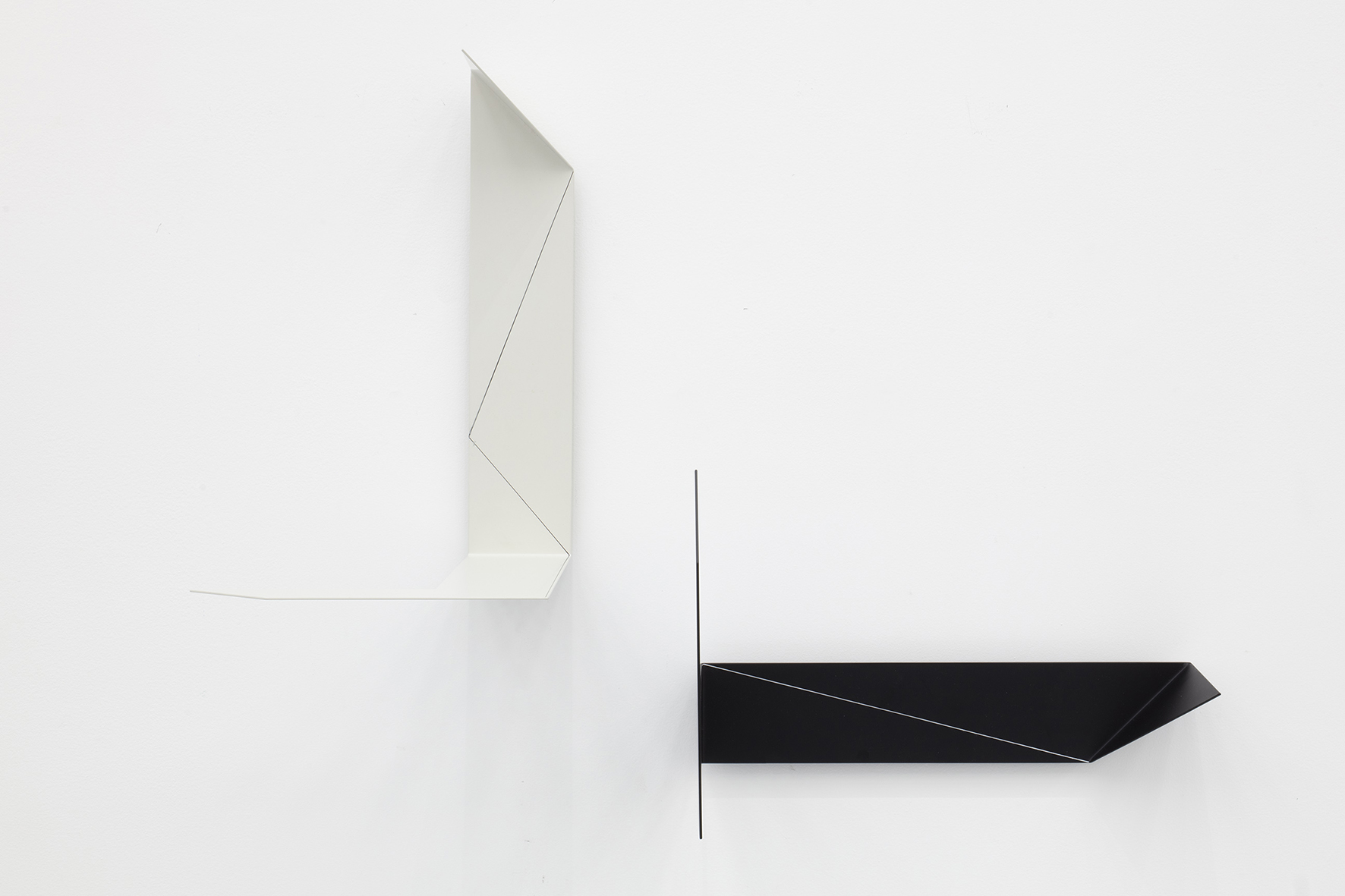
Díptico de esculturas pintadas de acero inoxidable
68 x 91 x 33.5 cm
Diptych of painted stainless steel sculptures
26.77 x 35.83 x 13.19 in
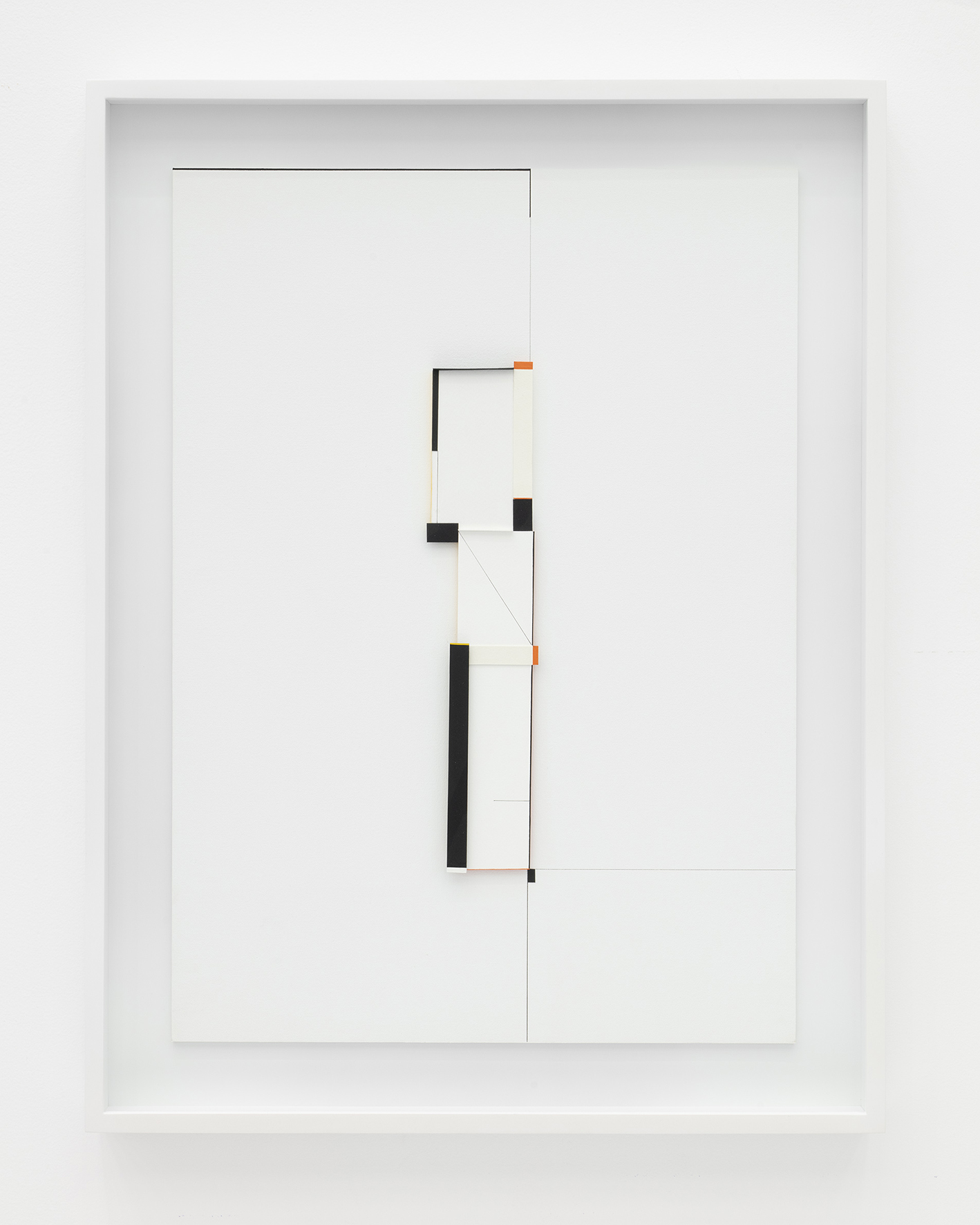
Pintura y collage sobre cartulina enmarcado en vidrio acrílico
77 x 57 x 6 cm
Painting and collage on cardboard, framed in acrylic glass
30.31 x 22.44 x 2.36 in
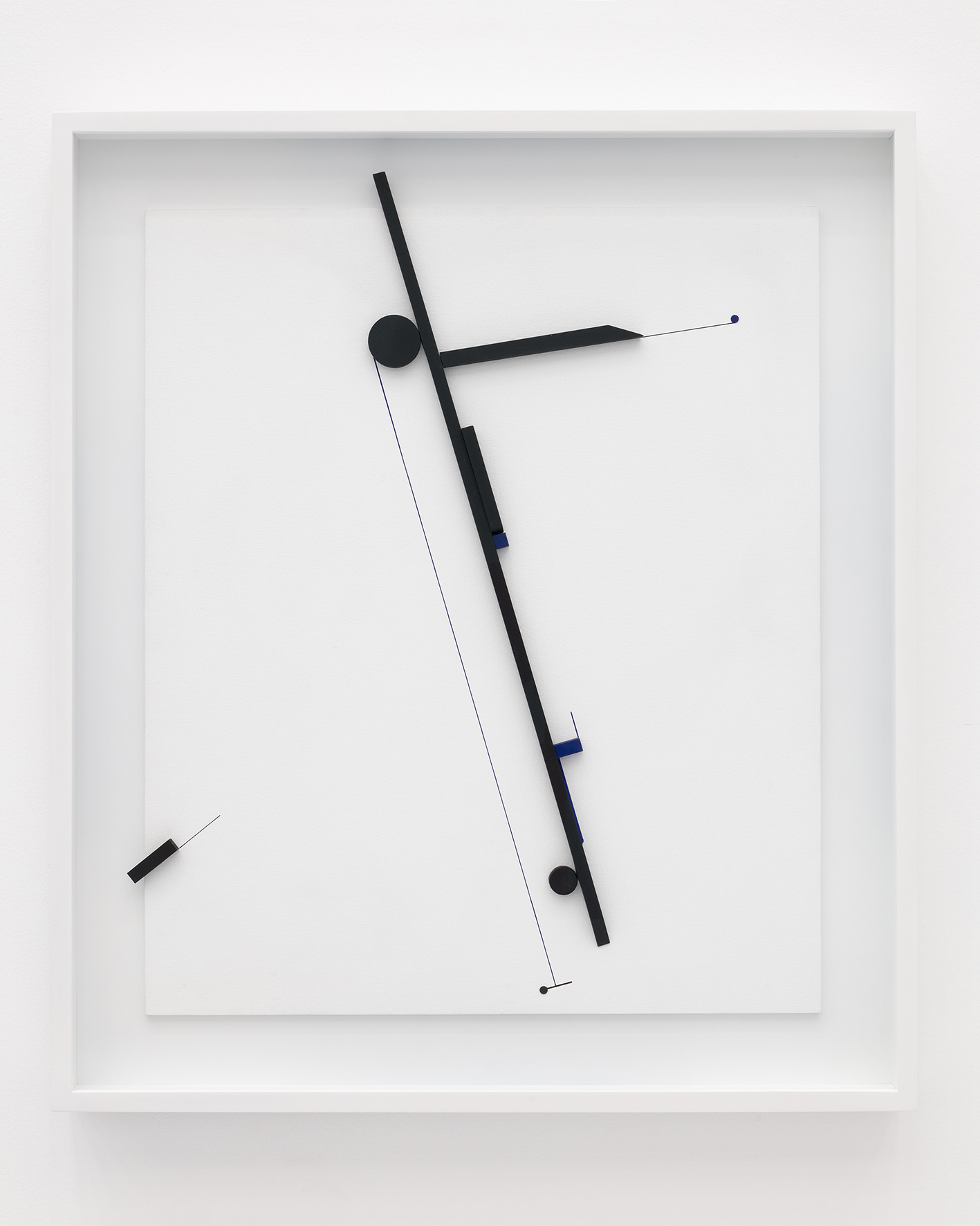
Pintura acrílica y madera sobre lienzo
63 x 51.5 x 2 cm
Acrylic paint and wood on canvas
24.8 x 20.28 x 0.79 in
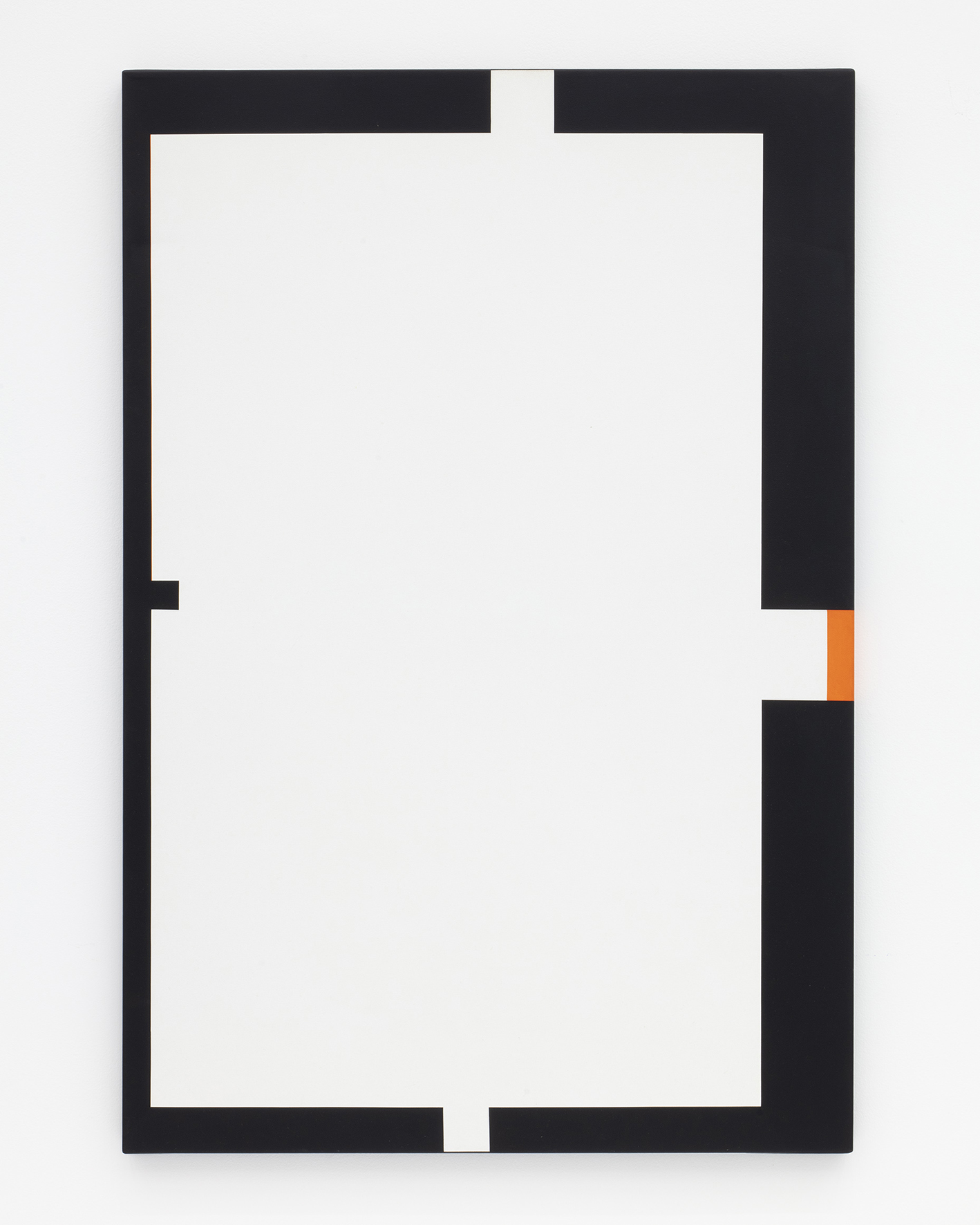
Pigmentos y pintura acrílica sobre lienzo
120 x 80 x 3.5 cm
Pigments and acrylic paint on canvas
47.24 x 31.5 x 1.38 in
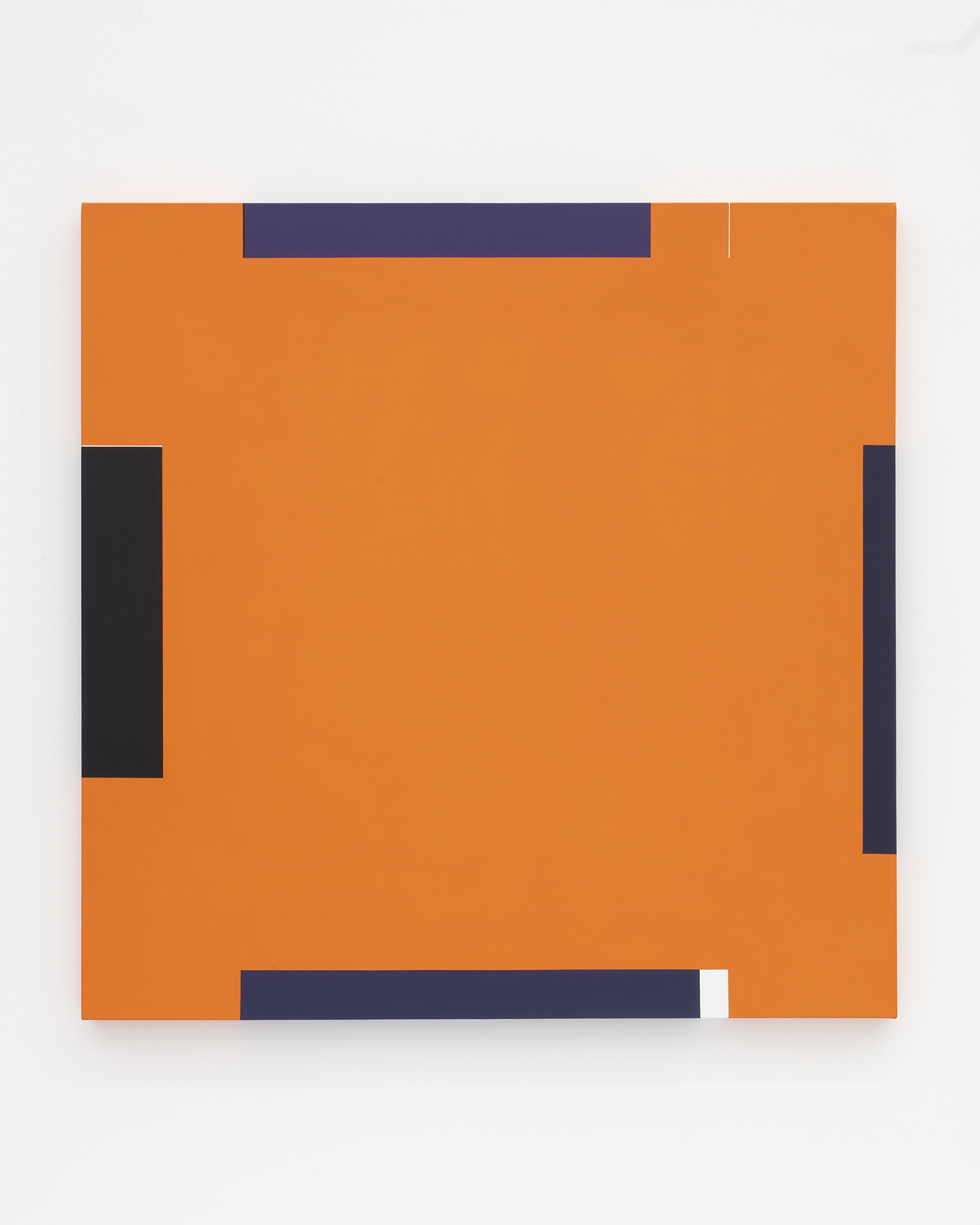
Pigmentos y pintura acrílica sobre lienzo
100.5 x 100.5 x 4 cm
Pigments and acrylic paint on canvas
39.57 x 39.57 x 1.57 in
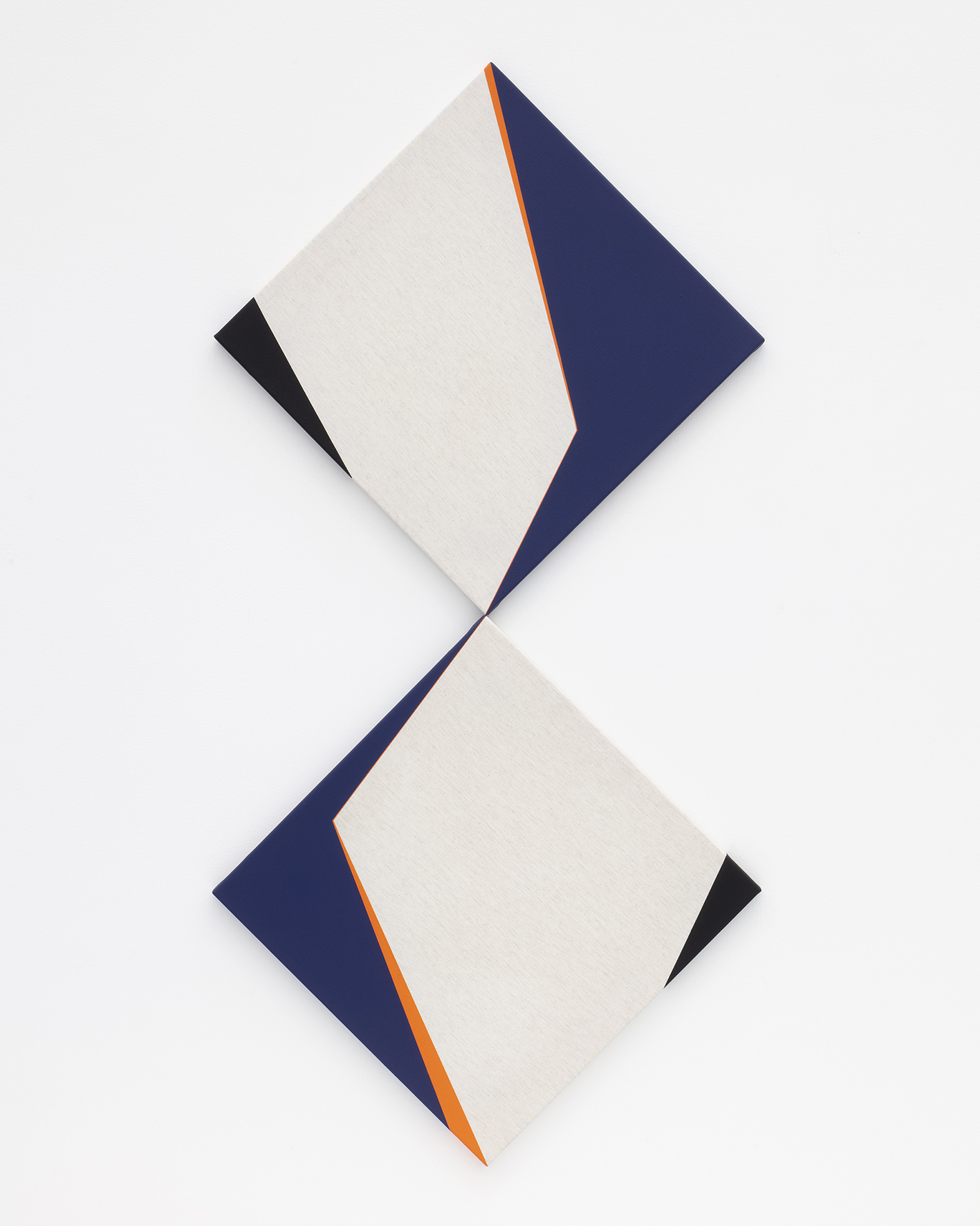
Díptico de pigmentos y pintura acrílica sobre lienzo de lino y algodón
142 x 71 x 2 cm
Diptych of pigments and acrylic paint on linen and cotton canvas
55.91 x 27.95 x 0.79 in
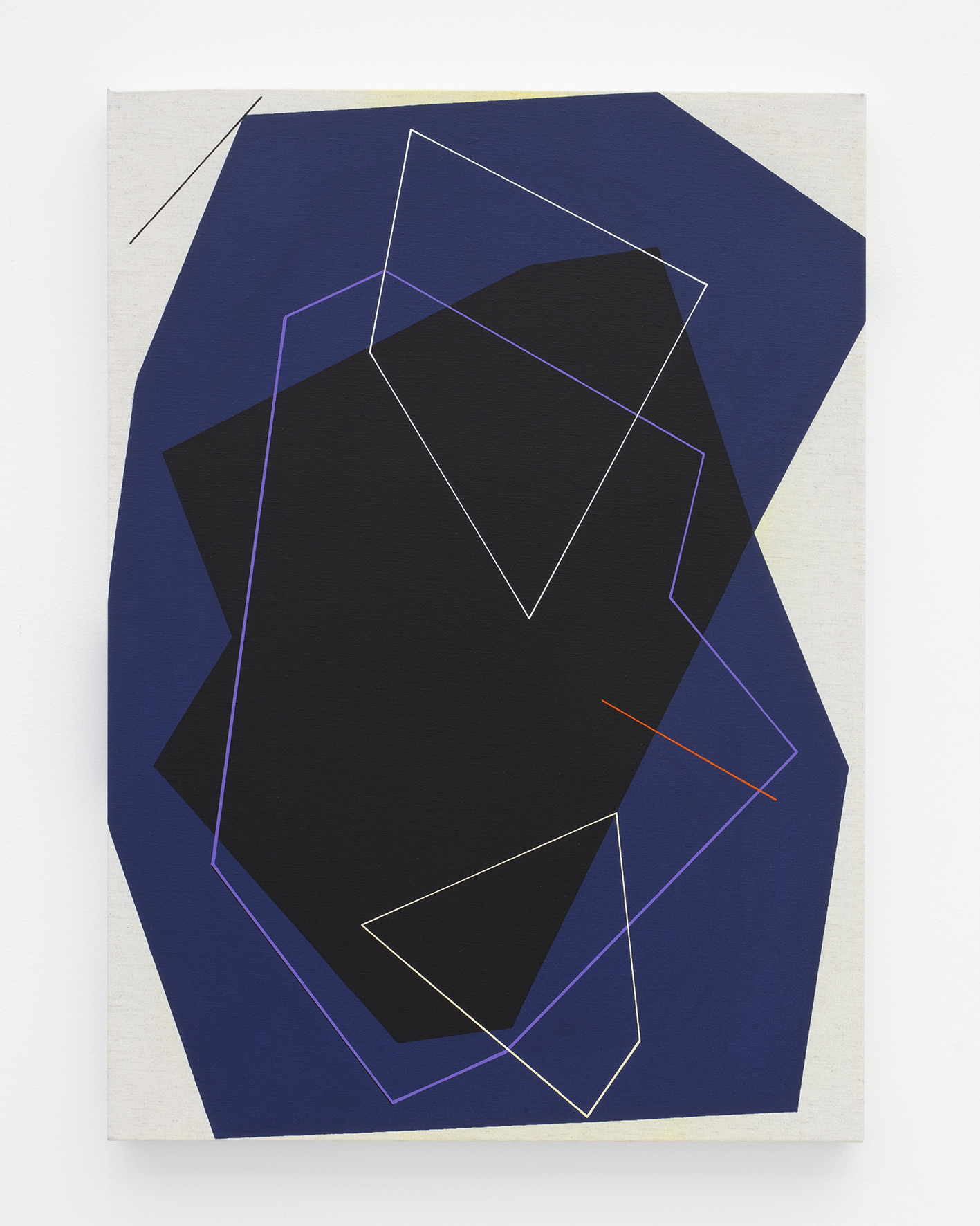
Pigmentos y pintura acrílica sobre lienzo de lino y algodón
70.5 x 50.5 x 4 cm
Pigments and acrylic paint on linen and cotton canvas
27.76 x 19.88 x 1.57 in
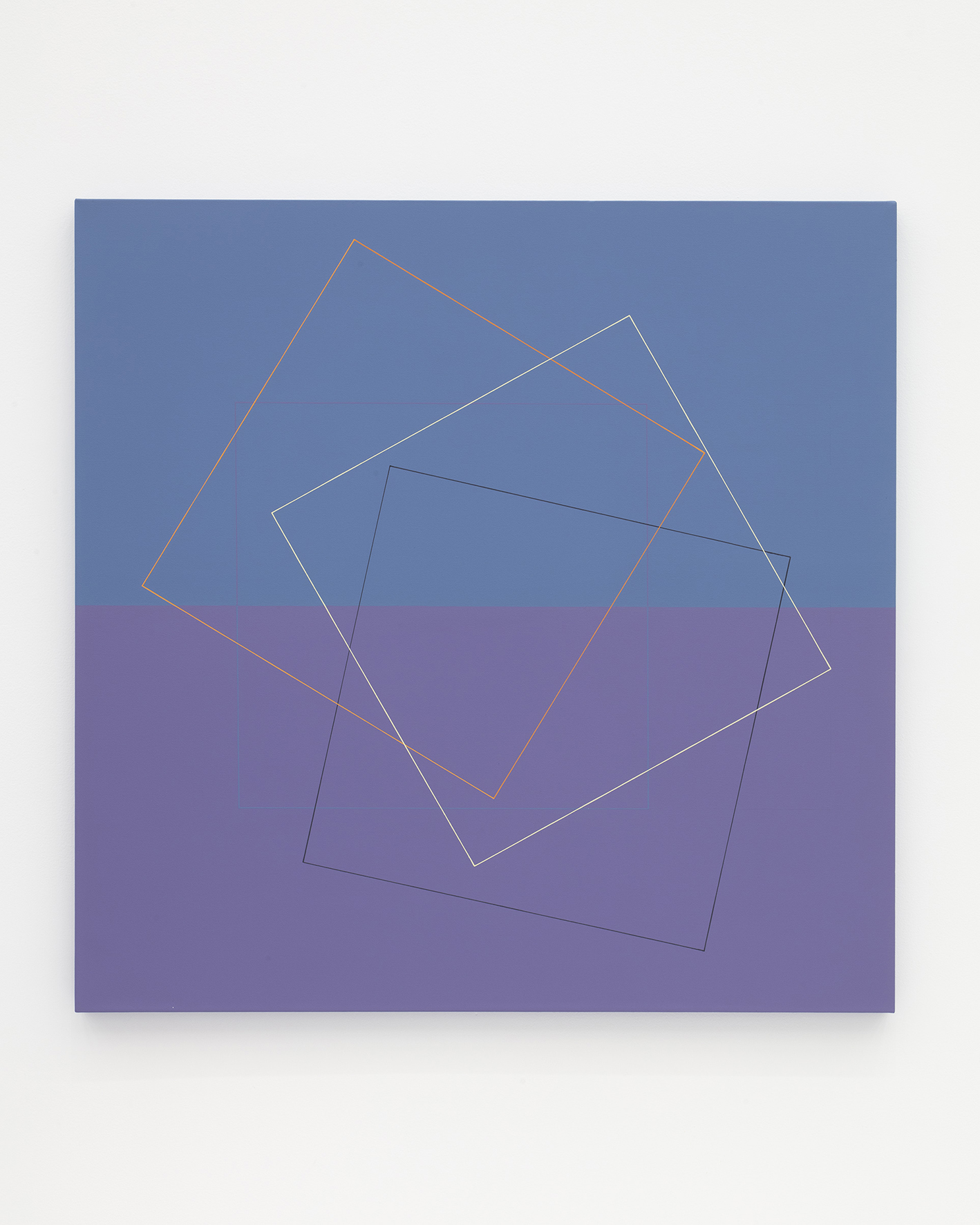
Pigmentos y pintura acrílica sobre lienzo
100.5 x 100.5 x 4 cm
Pigments and acrylic paint on canvas
39.57 x 39.57 x 1.57 in
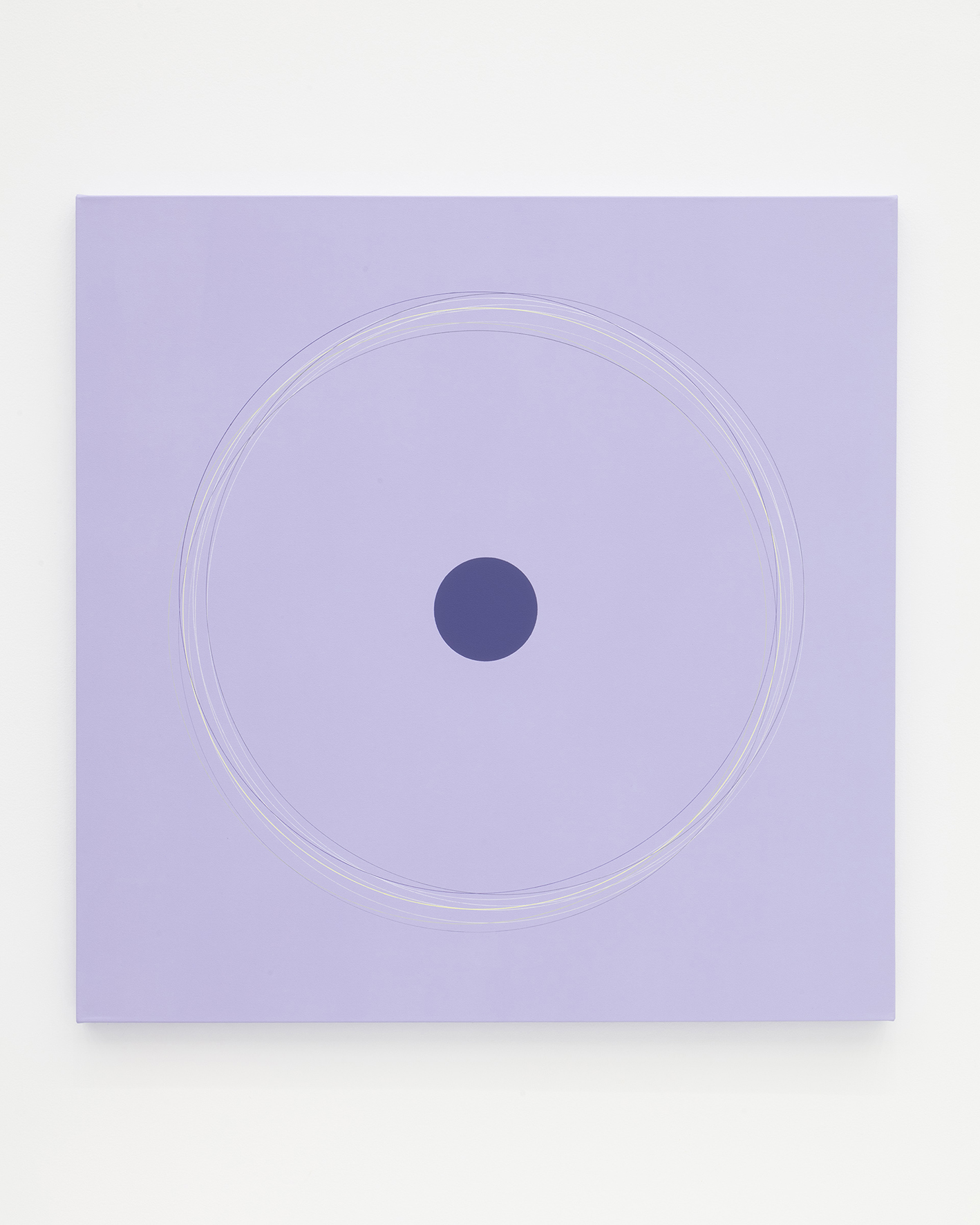
Pigmentos y pintura acrílica sobre lienzo
100.5 x 100.5 x 4 cm
Pigments and acrylic paint on canvas
39.57 x 39.57 x 1.57 in
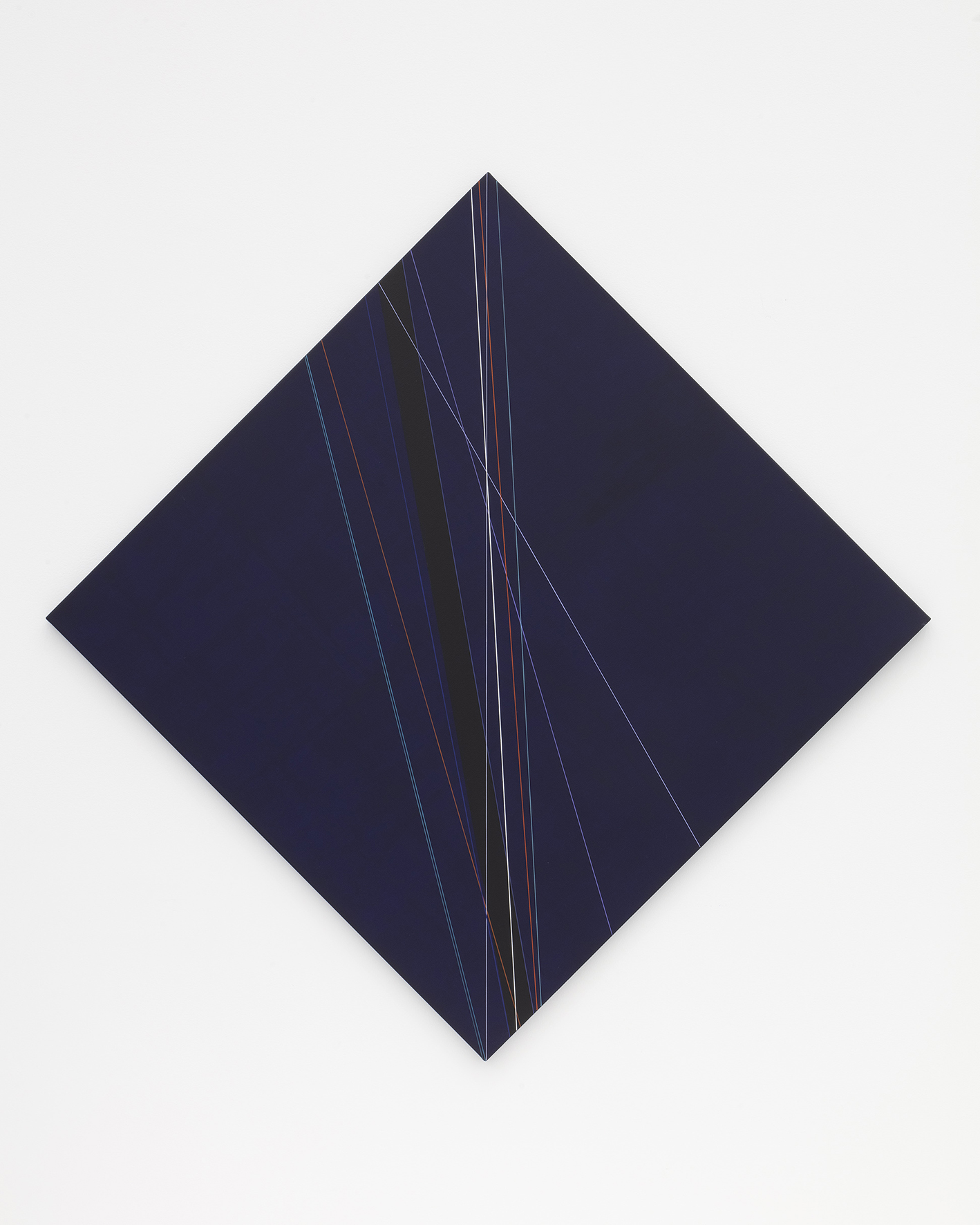
Pigmentos y pintura acrílica sobre lienzo
142 x 142 x 2.5 cm
Pigments and acrylic paint on canvas
55.91 x 55.91 x 0.98 in
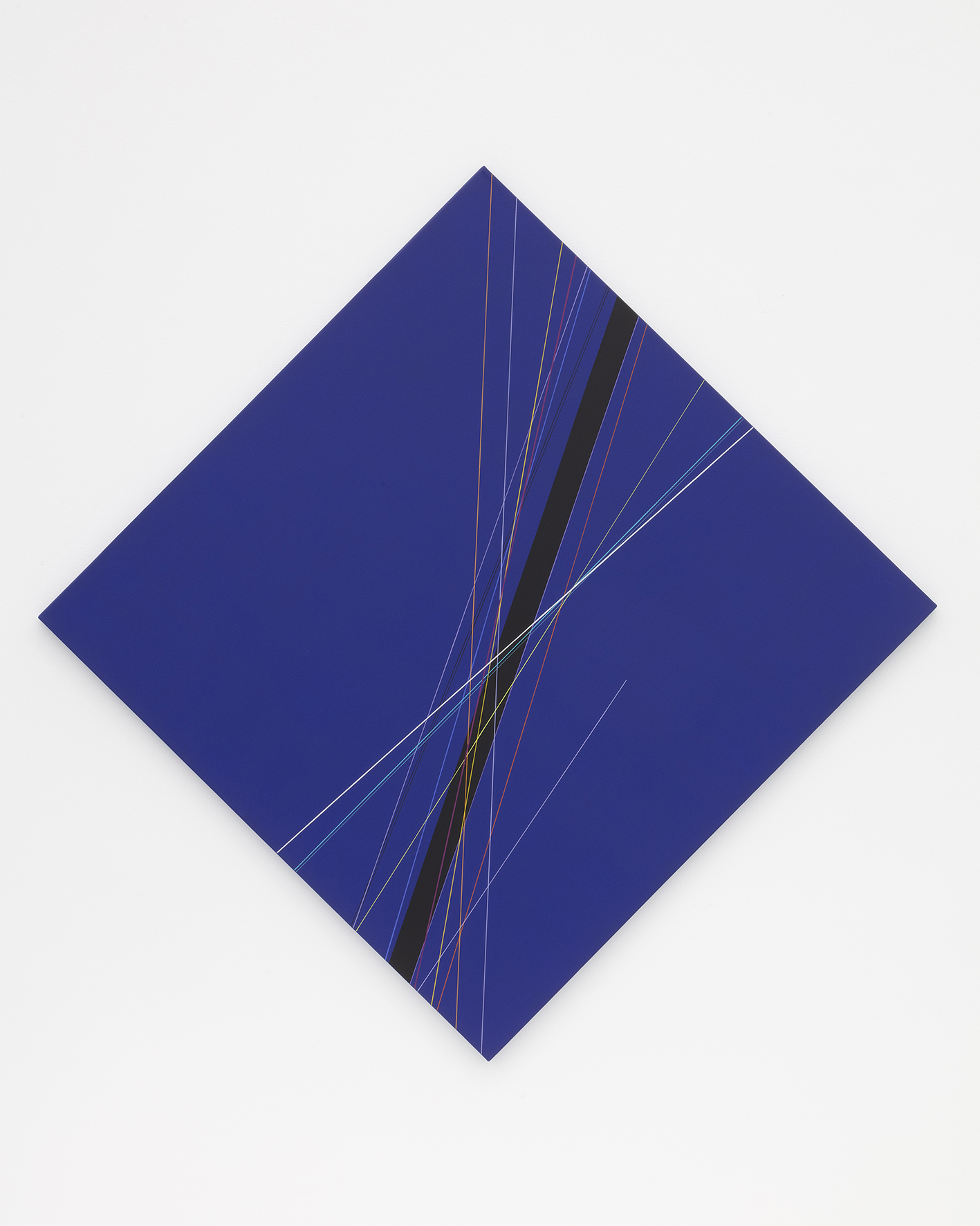
Pigmentos y pintura acrílica sobre lienzo
142 x 142 x 2.5 cm
Pigments and acrylic paint on canvas
55.91 x 55.91 x 0.98 in
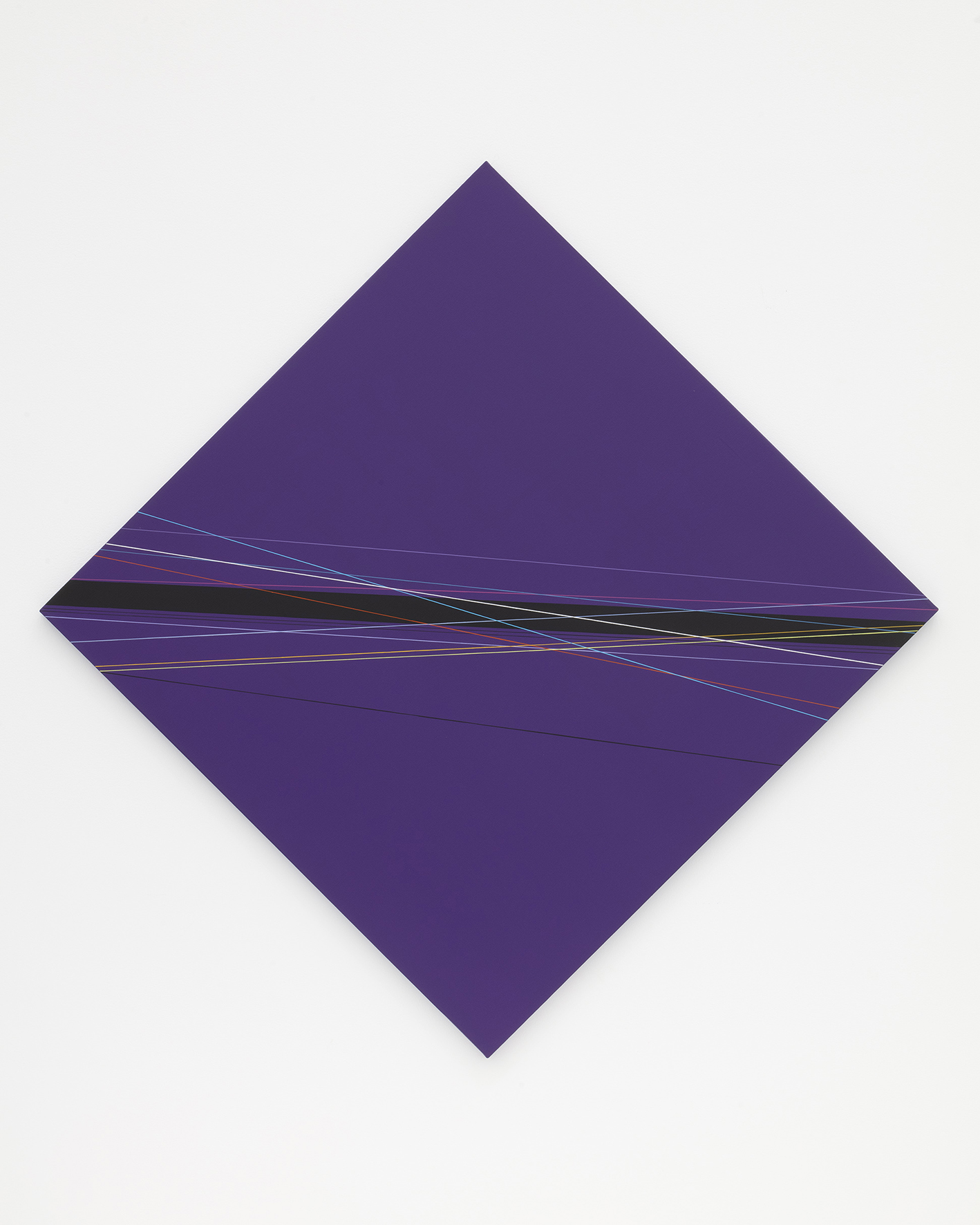
Pigmentos y pintura acrílica sobre lienzo
142 x 142 x 2.5 cm
Pigments and acrylic paint on canvas
55.91 x 55.91 x 0.98 in
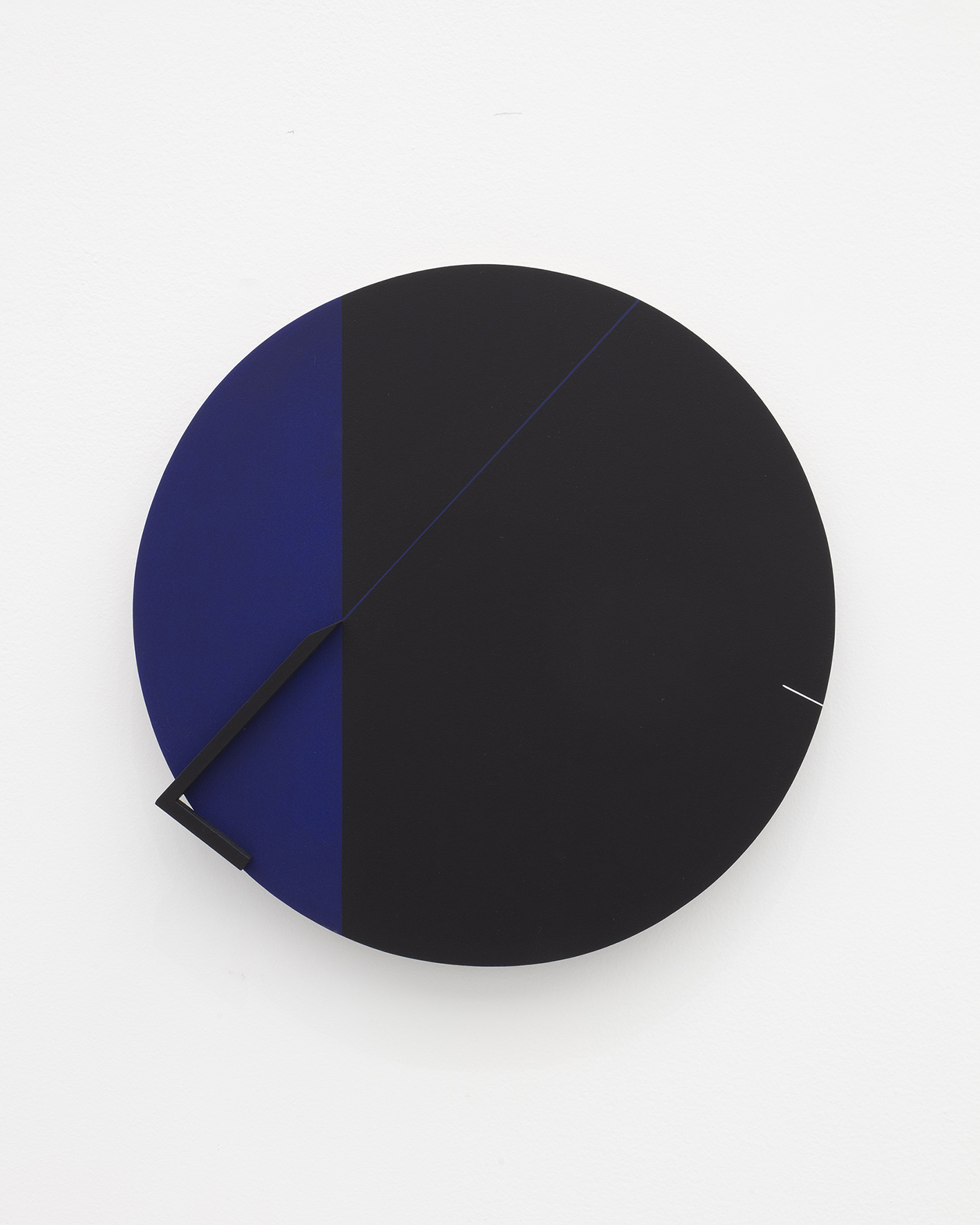
Pigmentos y pintura acrílica sobre tabla
35 ø x 3.5 cm
Pigments and acrylic paint on hardboard
13.78 ø x 1.38 in
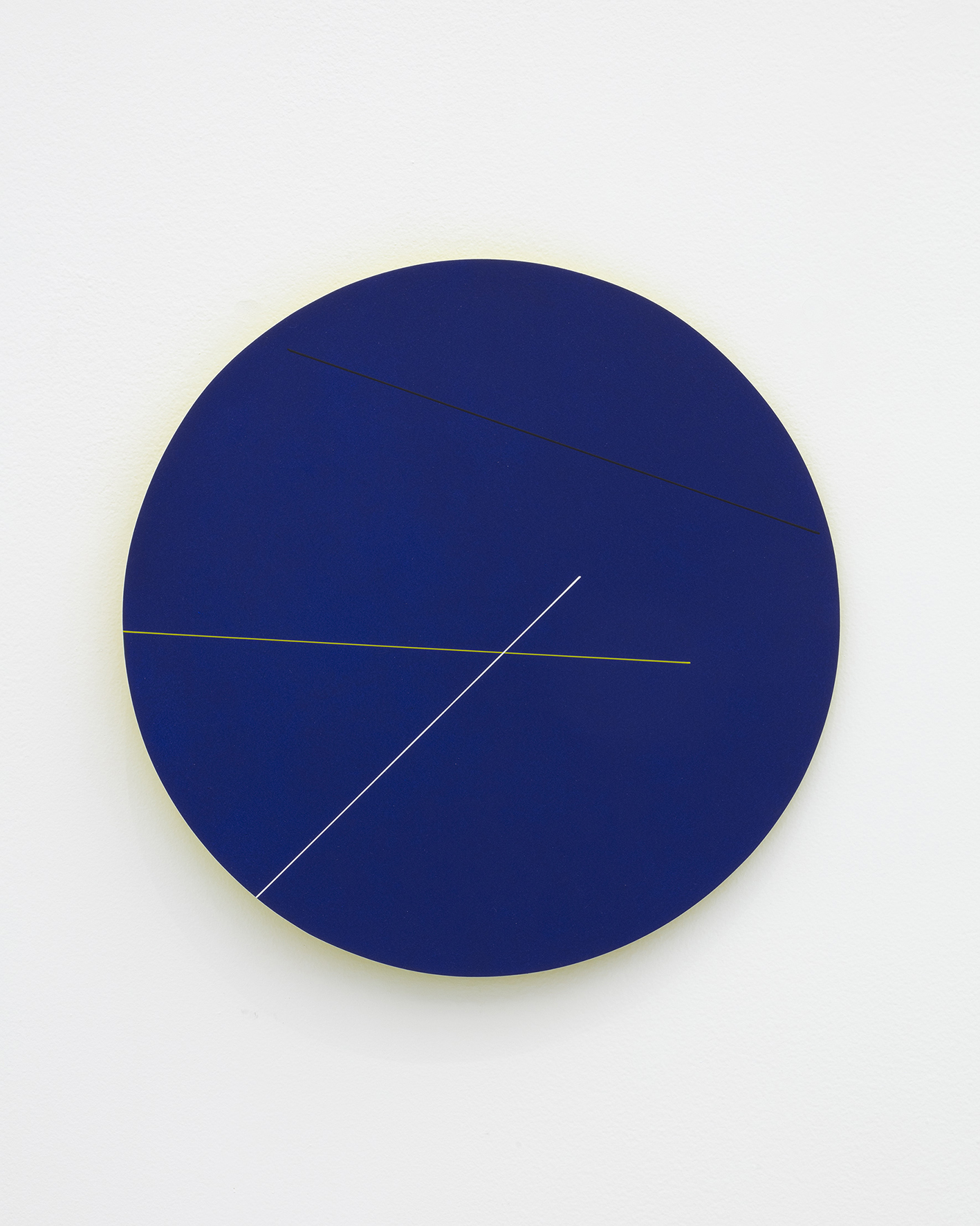
Pigmentos y pintura acrílica sobre tabla
35 ø x 3.5 cm
Pigments and acrylic paint on hardboard
13.78 ø x 1.38 in
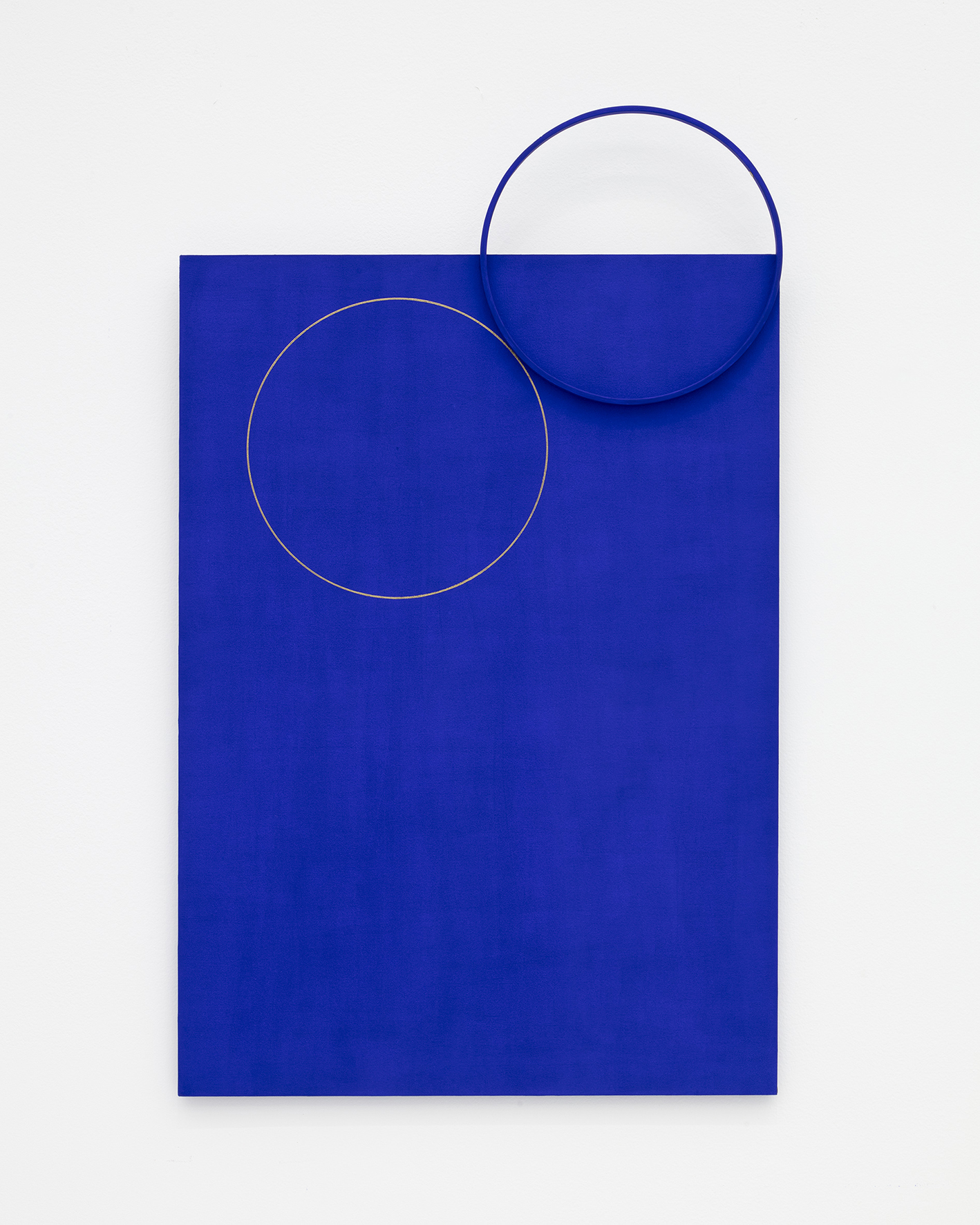
Pigmentos y pintura acrílica sobre tabla
83 x 50.5 x 2 cm
Pigments and acrylic paint on hardboard
32.68 x 19.88 x 0.79 in
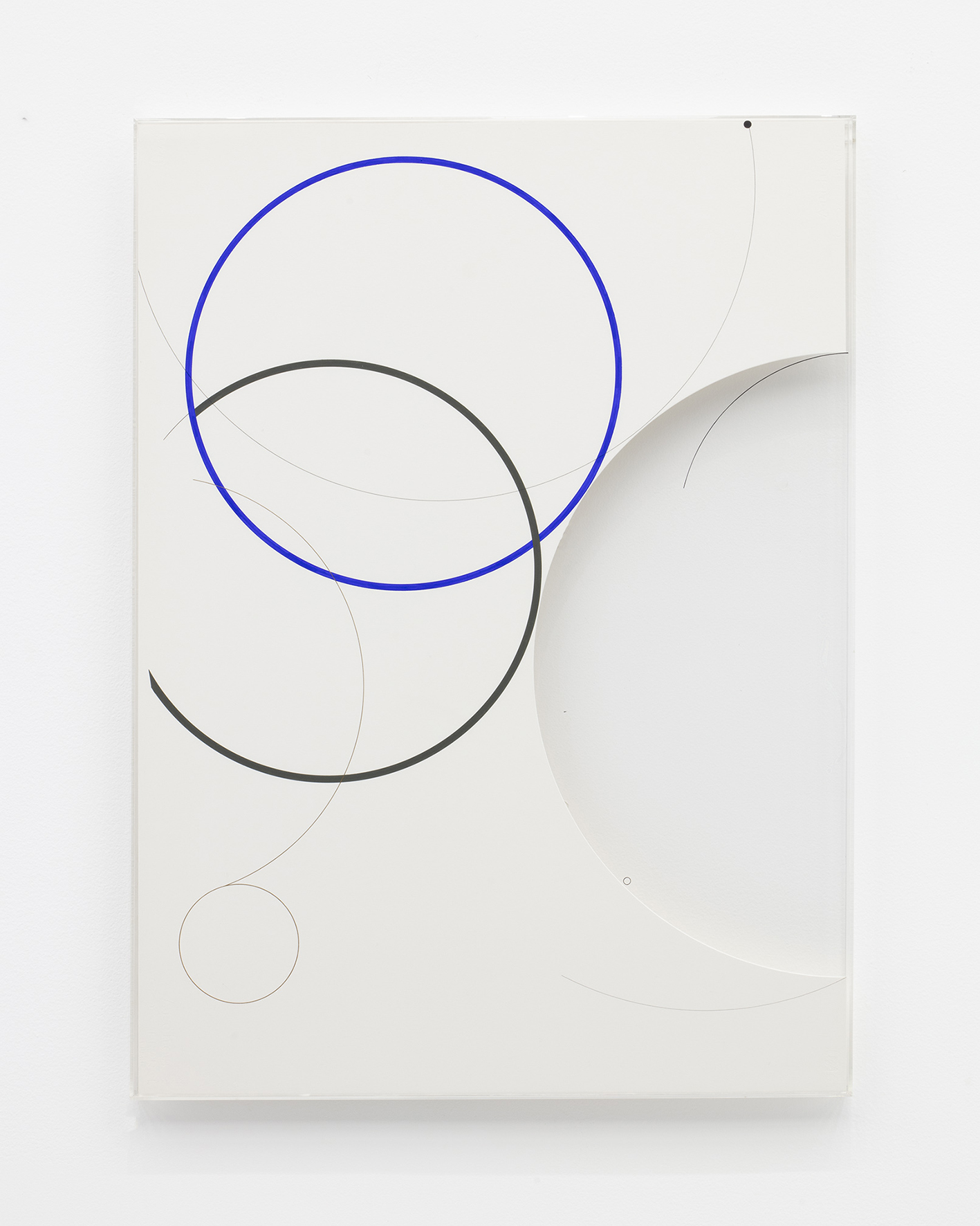
Pintura y collage sobre cartulina enmarcado en vidrio acrílico
77 x 56.5 x 3 cm
Painting and collage on cardboard, framed in acrylic glass
30.31 x 22.24 x 1.18 in
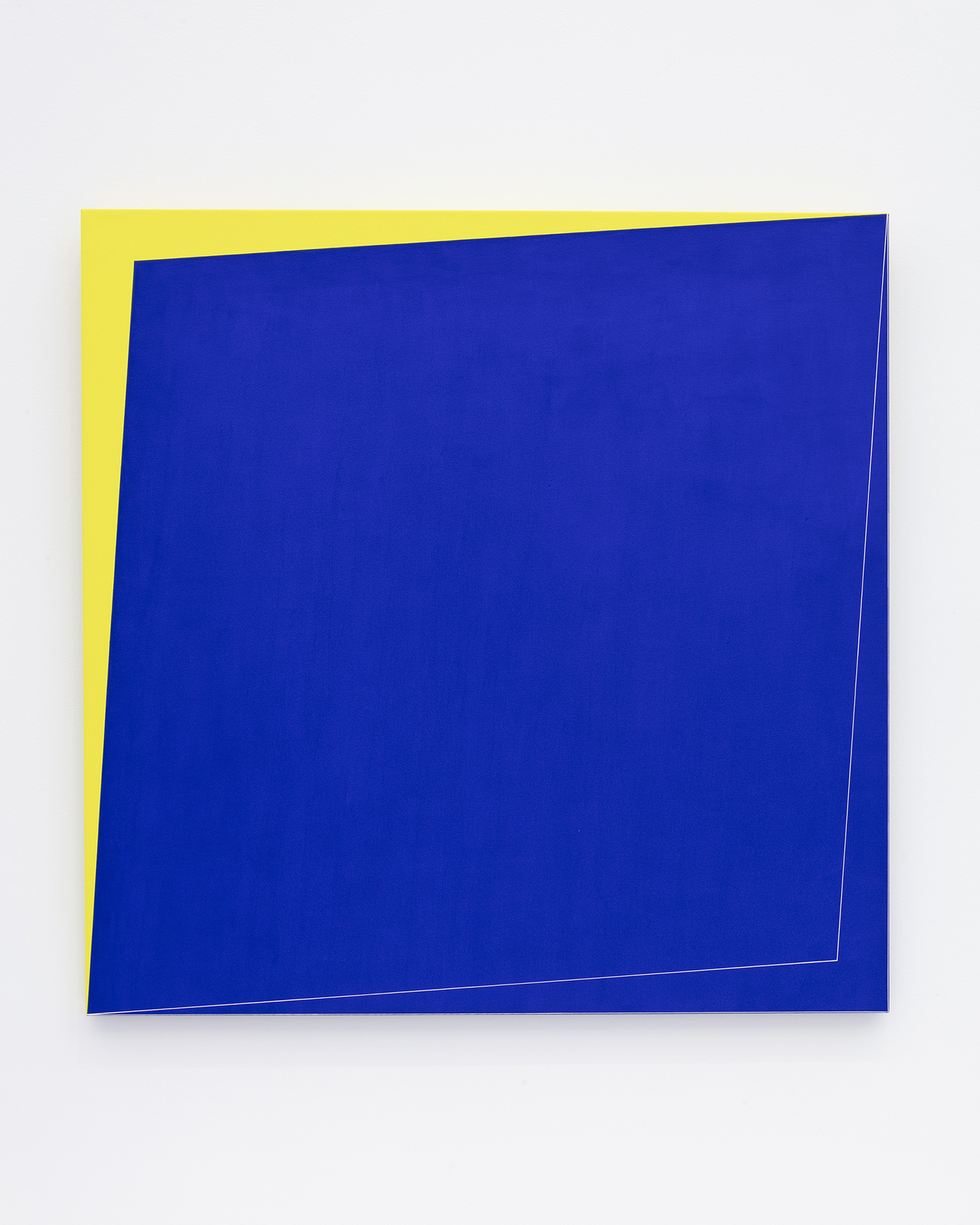
Pigmentos y pintura acrílica sobre lienzo
100.5 x 100.5 x 2.5 cm
Pigments and acrylic paint on canvas
39.57 x 39.57 x 0.98 in
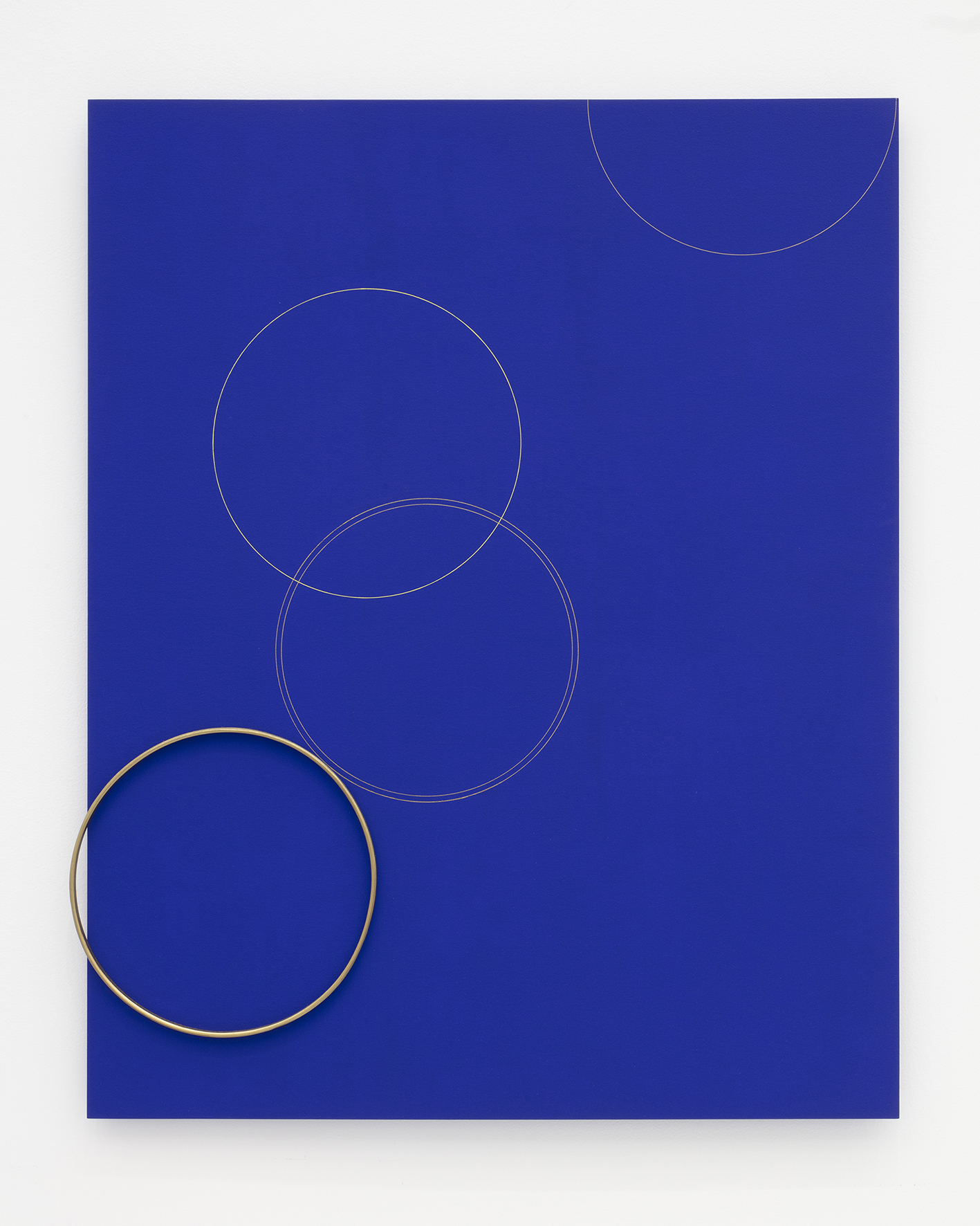
Pigmentos y pintura acrílica sobre tabla
101 x 82 x 2.5 cm
Pigments and acrylic paint on hardboard
39.76 x 32.28 x 0.98 in
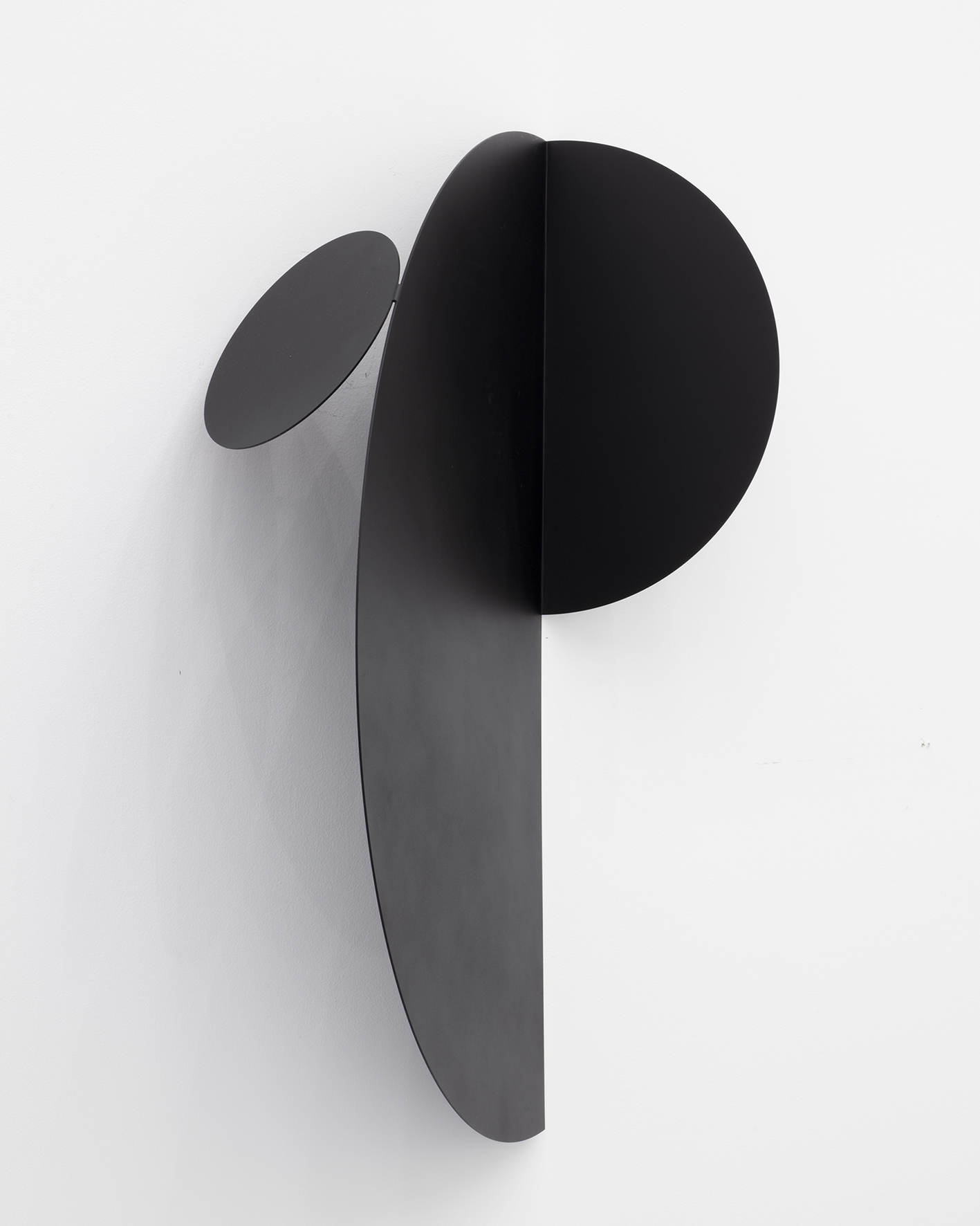
Acero inoxidable pintado
105 x 60.5 x 33 cm
Painted stainless steel
41.34 x 23.82 x 12.99 in
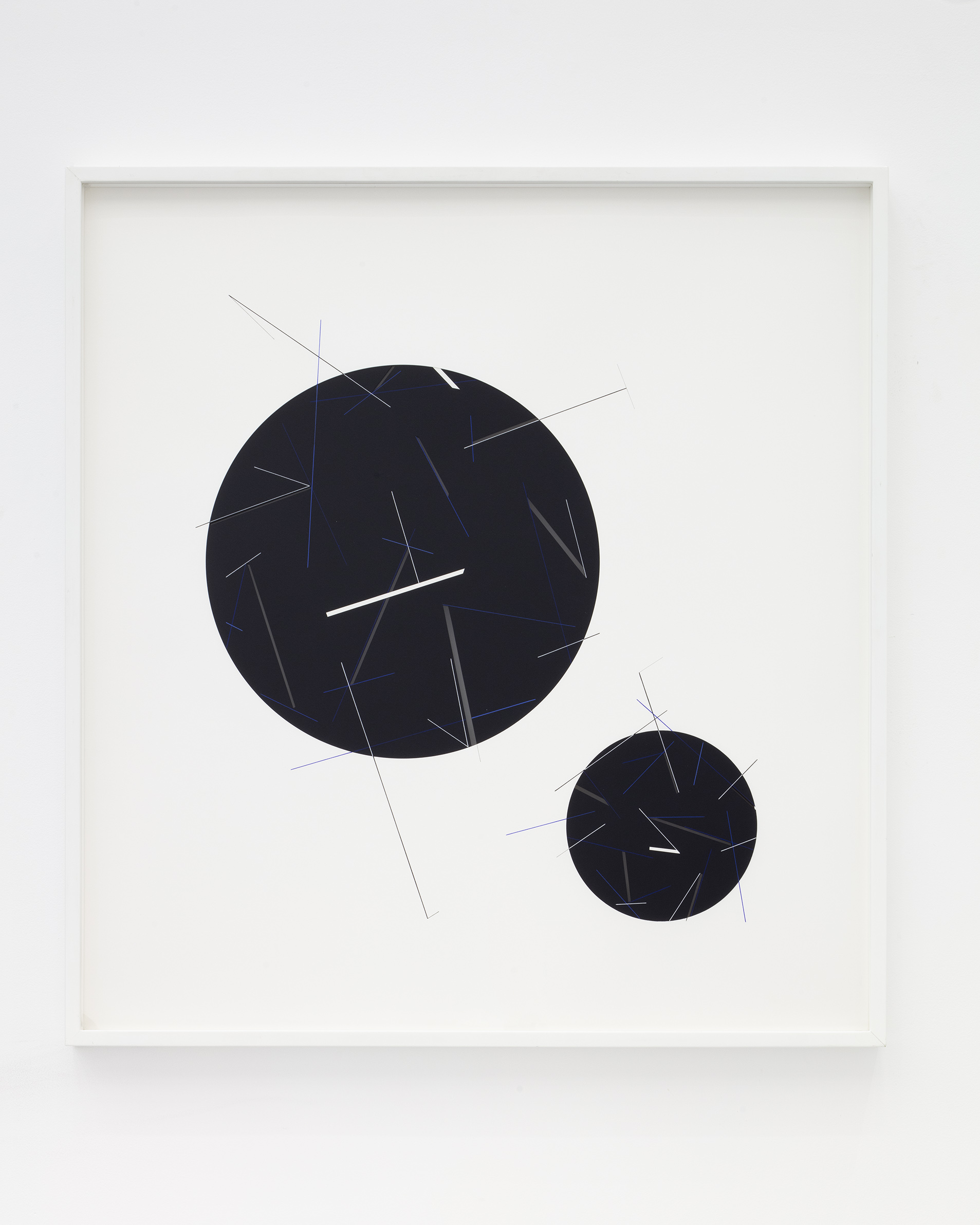
Pintura y collage sobre cartón y papel, enmarcado en madera de álamo lacada con vidrio acrílico
112.5 x 105 x 5 cm
Painting and collage on cardboard and paper, framed in lacquered poplar wood with acrylic glass
44.29 x 41.34 x 1.97 in
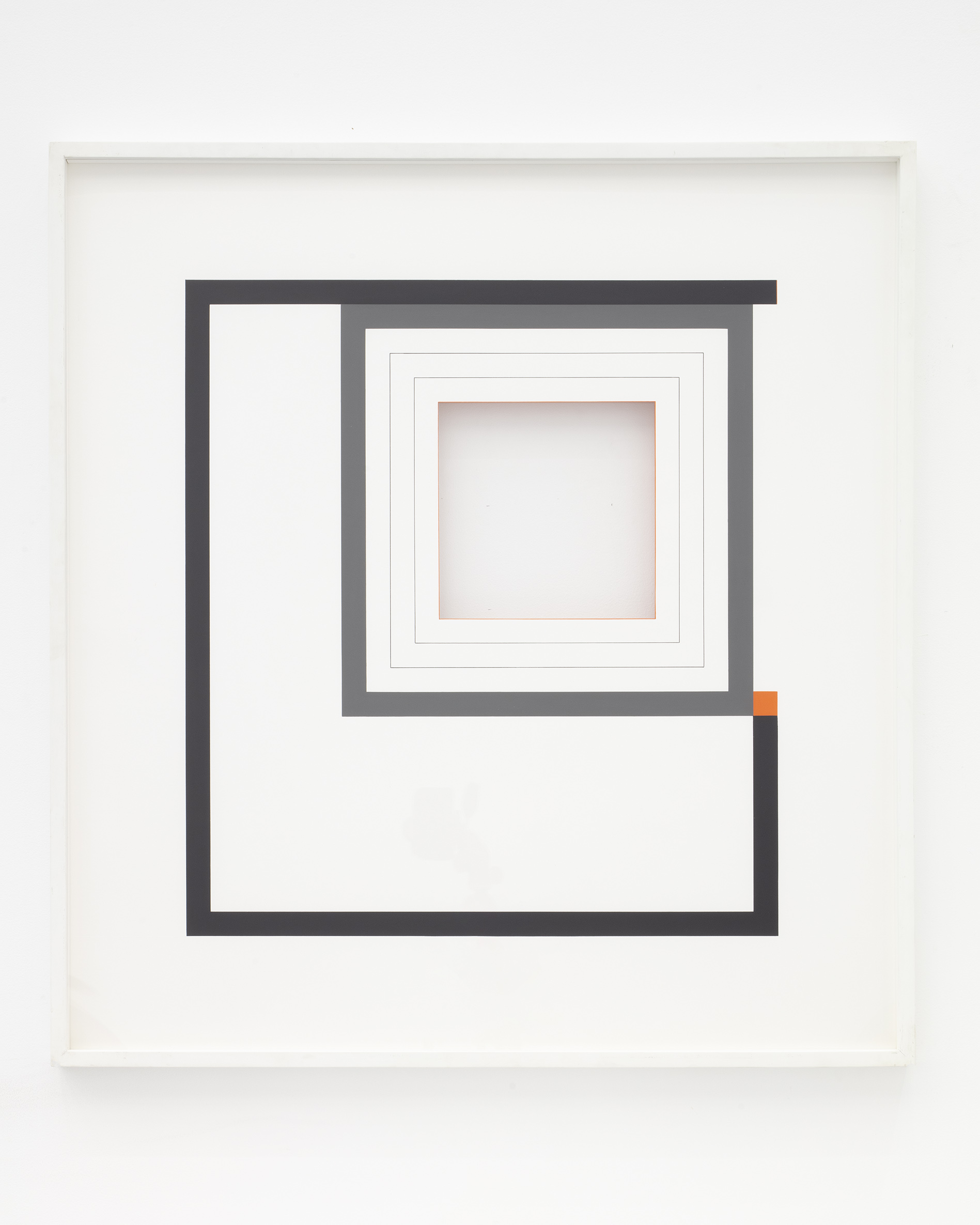
Pintura y collage sobre cartón y papel, enmarcado en madera de álamo lacada con vidrio acrílico
112.5 x 105 x 5 cm
Painting and collage on cardboard and paper, framed in lacquered poplar wood with acrylic glass
44.29 x 41.34 x 1.97 in
Video Full HD
Loop
2020
Video Full HD
Loop
2021
Video Full HD
Loop
2021
Video Full HD
Loop
2021
Video Full HD
Loop
2021
Video Full HD
Loop
2021