Juan Parada – Geometría en resonancia
Por Daniel Garza Usabiaga
Desde el 2003 la producción de Juan Parada se ha centrado en la cerámica y en distintas formas de redefinir sus límites como práctica artística contemporánea. Con este fin, el artista brasileño ha desarrollado piezas a la manera de instalaciones así como intervenciones que buscaban incidir en el espacio público. Dentro de otra línea de trabajo, desde el 2015, Parada ha dedicado gran parte de su atención a producir un cuerpo de obra caracterizado por relieves cerámicos con una fuerte solución geométrica. Este sentido gráfico es indisoluble de la solución volumétrica del relieve, reconciliando lo pictórico con lo escultórico. Estas piezas tridimensionales, que podrían ser vistas como un paisaje o una topografía, además, interactúan con el espacio, abriendo un diálogo con la arquitectura y una relación con sus espectadores. Parada busca que su trabajo constantemente borre límites asumidos o establecidos. En el caso de estos relieves geométricos, esto sucede entre lo bidimensional y lo tridimensional, así como entre lo pictórico, lo escultórico y lo arquitectónico.
La serie de relieves geométricos de Juan Parada también busca cuestionar límites de orden técnico y material. Su metodología de producción reconcilia procesos arcaicos con los propios de la tecnología actual. En sus piezas conviven un material y una técnica antiguas con un diseño conseguido mediante el uso de software digital. Con apoyo de esta tecnología, Parada consigue dibujos vectoriales que son utilizados para crear una especie de retícula que guía la conformación de sus relieves. Su volumen, en cambio, es interpretado por el artista y ejecutado de forma manual. Aunque los relieves geométricos cuenten con un acabado de apariencia industrial, o de impresión 3D, como si fueran de plástico o metal, cada uno de sus componentes o elementos fue producido por el artista, mostrando una maestría en la precisión del modelado – resultado de una práctica manual que ha desarrollado desde la infancia. Este borramiento del gesto en la producción de cada módulo, altera la percepción de su materialidad y demanda cierta atención del espectador. Del mismo modo, apunta a la definición que Parada da a cierta parte de su producción como anti-cerámica a partir de la forma que elimina tanto el gesto como cierta búsqueda pictórica relacionada con el uso de esmaltes.
La articulación de estos relieves, a través de piezas individuales, puede traer a la mente el trabajo de otro artista brasileño: Sérgio de Camargo. Parada considera en su producción la reflexión de distintos legados artísticos de los cuales toma y continua ciertas investigaciones como la definición de una geometría sensible o la producción de un arte con intenciones perceptuales. Ambas cuestiones se encuentran presentes y se pueden relacionar con la producción moderna de Camargo. Además de su actualización de ciertos intereses cercanos al neo-concretismo, los relieves geométricos de Parada parecen estar diseñados teniendo varias consideraciones cinéticas en mente. Como se ha mencionado, parte de esto se encuentra presente en su acabado que confunde la materialidad de la pieza. Del mismo modo, se puede considerar la manera en la que el vidriado del esmalte del relieve interactúa con la luz y las condiciones del espacio. Esta suma de factores actúa para que estos relieves sean una especie de paisaje que cambia, un campo de fuerzas que se va transformando dependiendo de las condiciones del sitio, así como del tiempo y el movimiento que el espectador realice para observarlo.
Para esta muestra en Proyectos Monclova, Juan Parada ha hecho una selección de relieves geométricos producidos recientemente. Smoky room, por ejemplo, podría ilustrar uno de los procesos contradictorios que la práctica del artista tiende a reconciliar: el cálculo casi matemático de ciertos procedimientos con factores que son imposibles de predeterminar durante la quema de la cerámica. Esto se aprecia en la pieza en cuestión mediante el cambio de un diseño lineal y rígido que adquiere una nueva mecánica, fluida y que multiplica sus líneas, como si se tratara de humo. Además de esta obra, la exposición Geometría en resonancia también incluye varias piezas que pertenecen a la serie Psicogeometría Rítmica Aleatoria; un conjunto de relieves geométricos que ejemplifican los intereses más gráficos y pictóricos de Parada. Por otro lado, la muestra también contempla un par de piezas que conforman una nueva serie titulada Refracción volumétrica que está compuesta por relieves irregulares que tensionan y enfatizan una solución más escultórica sobre su definición más regular y gráfica. En conjunto, estos trabajos subrayan la intención del artista de hacer de la cerámica “un lenguaje universal, capaz de articular ciencia, historia, arquitectura y pensamiento abstracto.”
Geometría en Resonancia: la anti-cerámica en el campo ampliado
Por Juan Parada
La cerámica ha sido siempre la más antigua de las paradojas del arte: la tierra se convierte en forma, el gesto que el fuego eterniza. Sin embargo, en esta investigación, la materia se desestabiliza. El barro deja de ser solidez para transformarse en vibración. La anticerámica nace de ese desplazamiento: el gesto no modela, propaga; el cuerpo no impone, reverbera. La arcilla no es inerte, es campo. Vibra, responde, devuelve ecos. Cada forma es un registro momentáneo de la materia en busca de sí misma.
El mundo no está hecho de cosas, sino de frecuencias. Lo visible es apenas el punto donde las fuerzas se cruzan y se vuelven forma. La resonancia es el principio ontológico: todo vibra, todo responde. En el barro pulsa la memoria del origen, pero también el anuncio del futuro. Piensa. Y cuando el pensamiento se encarna, se curva, se pliega, se propaga.
Las superficies de estas esculturas son topografías vivas. Cada plano es un estrato, cada pliegue un residuo de movimiento. Lo que parece estable es solo una pausa entre flujos. La geología aquí está viva: el barro se comporta como un terreno que respira, un organismo que reacciona. Hay algo tectónico en estas formaciones: el planeta, en miniatura, recalculando sus líneas de fuerza.
La cerámica es lenguaje, no sustancia. Así como el viento esculpe dunas y el magma crea fisuras, el código genera patrones, ritmos y repeticiones. La matemática y el algoritmo no son antinaturales: son la propia naturaleza en operación. El artista solo sintoniza esas frecuencias y captura el instante en que el cálculo se vuelve visible.
Lo digital no sustituye el gesto: lo amplifica. El modelado vectorial y la geometría paramétrica se convierten en prolongaciones del tacto. Cada superficie parece calculada y, al mismo tiempo, erosionada, como si el software respirara. El error es orgánico; la precisión, sensible. Son cuerpos geológicos, organismos hechos de vibración y cálculo. El espacio no es escenario: es agente.
La forma vibra, pero no sola. Toda vibración exige un cuerpo que resuene. El espectador deja de ser observador: se convierte en parte del circuito. Las esculturas no se ofrecen a la contemplación pasiva, sino a la presencia. La luz que incide, el movimiento de la mirada y la posición del cuerpo reconfiguran continuamente la experiencia. La geometría se transforma en tiempo.
El campo vibratorio envuelve al espectador y lo invita a una percepción táctil-visual en la que ver y tocar se equivalen. La experiencia es fenomenológica; la obra, un dispositivo de conciencia. Pero aquí la conciencia es matérica: el barro vibra, la materia percibe.
La anticerámica no es negación, es desvío. Surge cuando el material, llevado al límite de la obediencia, empieza a pensar por sí mismo. El barro, materia plástica por excelencia, es conducido a una precisión geométrica casi imposible; el gesto se borra; la organicidad se sustituye por una estructura racional y vectorial. Pero en esa supuesta anulación, lo sensible retorna: lo frío se vuelve vibrante, lo exacto se vuelve vivo. El control extremo produce calor.
La cerámica tradicional siempre se definió por el gesto y el fuego. En la anticerámica, el gesto se convierte en sistema y el fuego en algoritmo térmico. El artista actúa como traductor de frecuencias, el software como extensión del cuerpo. El píxel es una partícula de arcilla digital. El resultado es una materia híbrida, ancestral y cibernética.
La anticerámica transforma la propia idea de materialidad. No representa, vibra. Es energía organizada. El pasado se revisita sin nostalgia. Las técnicas arcaicas conviven con los softwares y la inteligencia artificial, no como contraste, sino como continuidad. La cerámica deja de ser arte del pasado y se convierte en ciencia del presente.
La geometría es la manera en que el mundo se recuerda, la forma que el tiempo encuentra para fijarse. Pero toda geometría vibra, se desplaza, erra, respira. Geometría en Resonancia es el momento en que lo racional y lo orgánico se vuelven inseparables, cuando la estructura vibra, cuando el cuerpo calcula.
El relieve cerámico actúa como campo energético: cada superficie es un sistema de fuerzas, un paisaje sensorial donde el espacio se curva. La luz no ilumina: atraviesa. La escultura, aunque inmóvil, propaga movimiento. La materia piensa el espacio y responde a la gravedad.
El barro, el agua, la luz, el aire: todos vibran dentro de una misma frecuencia. La geometría revela lo invisible, traduce lo inaudible en forma. El gesto se vuelve sistema; el sistema, respiración. El artista escucha la resonancia, despierta el sonido dormido de la materia. Y al hacerlo, reconecta el arte con la física, la tecnología con la tierra, el futuro con lo ancestral.
Entre la naturaleza que calcula y el cálculo que se vuelve naturaleza, surge una nueva materia: viva, vibrante, temporal. La anticerámica es esa teoría encarnada: una forma de comprender que toda forma es frecuencia y todo cuerpo es campo — el punto en que el barro se transforma en pensamiento, y el pensamiento en vibración.
Juan Parada: Geometry in Resonance
by Daniel Garza Usabiaga
Since 2003, Juan Parada’s work has focused on ceramics and on different ways of redefining its limits as a contemporary artistic practice. To that end, the Brazilian artist has developed pieces in the form of installations as well as interventions intended to affect public space. Since 2015, Parada has devoted much of his attention to producing a body of work characterized by ceramic reliefs with a pronounced geometric solution. This graphic meaning is inseparable from the volumetric resolution involved in working with reliefs, reconciling the pictorial with the sculptural. These three‑dimensional pieces can be perceived as landscapes or topographies; moreover, they interact with the exhibition space, opening a dialogue with its architecture and a relationship with viewers. Parada continually seeks to erase assumed or established boundaries. In the case of these geometric reliefs, this erasure occurs between two‑dimensionality and three‑dimensionality, as well as between the categories of the pictorial, the sculptural, and the architectural.
Juan Parada’s series of geometric reliefs also aims to question limits of a technical and material order. His methods of production reconcile archaic processes with those proper to contemporary technologies. In his pieces, traditional materials and techniques coexist with a design obtained through digital software. Aided by this technology, Parada generates vector drawings that are then used to create a kind of framework that guides the shaping of his reliefs. Their volume, however, is interpreted by the artist and executed manually. Although the reliefs look industrial, or like 3-D prints, as if they were made out of plastic or metal, each component was fabricated by the artist himself, demonstrating a mastery of precise modelling that stems from a manual practice he has cultivated since childhood. This erasure of gesture in the production of each module alters the perception of its materiality and demands a certain attention from the viewer. In the same way, it points toward the way Parada defines a portion of his output as “anti‑ceramics,” based on how such pieces eliminate both gesture and a certain pictorial quest associated with the use of glazes.
The articulation of these reliefs, through individual pieces, might recall the work of another Brazilian artist, Sérgio de Camargo. Parada’s work reflects on different artistic legacies from which he extracts and continues investigations such as the definition of a “sensitive geometry” or the production of art with perceptual intentions. Both issues are present in and can be related to Camargo’s modern work. In addition to updating certain interests close to Neo‑Concrete art, Parada’s geometric reliefs seem to be designed with various kinetic considerations in mind. As noted above, part of this is to be found in their finish, which obscures the materiality of the piece. Likewise, one could consider how the vitrification of the glaze on the relief interacts with the light and conditions in the exhibition space. This convergence of factors causes the reliefs to function as a kind of shifting landscape—a field of forces that transforms depending on the conditions at the site, the passage of time, and spectator’s movement while looking at it.
For this exhibition at Proyectos Monclova, Juan Parada has made a selection of recently produced geometric reliefs. Smoky Room, for example, might illustrate one of the contradictory processes that his practice tends to reconcile: the almost mathematical calculation of certain procedures with factors that are impossible to predetermine during the firing of the ceramic. This becomes evident in the piece through the transformation of a linear, rigid design into a fluid mechanics that multiplies its lines, resembling smoke. In addition to this piece, the exhibition Geometry in Resonance includes several works belonging to the series Random Rhythmic Psychogeometry—a set of reliefs that exemplify Parada’s more graphic and pictorial interests. Moreover, the show also features a pair of pieces that constitute a new series titled Volumetric Refraction, made up of irregular reliefs that stress and emphasize a more sculptural solution over their more regular, graphic definition. Collectively, these works underscore the artist’s intention to turn ceramics into a “universal language capable of joining together science, history, architecture, and abstract thought.”
Geometry in Resonance: Anti-Ceramics in the Expanded Field
By Juan Parada
Ceramics has always been the oldest of art’s paradoxes: earth becomes form, the gesture that fire makes eternal. Yet, in this investigation, matter gets destabilized. Clay ceases to be a solid and transforms into vibration. Anti-ceramics is born from that displacement: gesture does not model, it propagates; the body does not impose, it reverberates. Clay is not inert; it is a field. It vibrates, responds, and sends echoes back. Each form is a fleeting record of matter in search of itself.
The world is made not of things, but of frequencies. That which is visible to us is merely the point where forces intersect and become form. Resonance is the ontological principle: everything vibrates, everything responds. Within clay there pulses the memory of the origin, but also the announcement of the future. It thinks. And when thought is incarnated, it bends, it folds, it propagates.
The surfaces of these sculptures are living topographies. Each plane is a stratum, each fold a residue of movement. What seems to be stable is merely a pause between flows. Here geology is alive: clay behaves like a terrain that breathes, an organism that reacts. There is something tectonic in these formations—the planet in miniature, recalculating its lines of force.
Ceramics is language, not substance. Just as wind sculpts dunes and magma creates fissures, code generates patterns, rhythms, and repetitions. Mathematics and algorithms are not anti‑natural; they are nature itself in operation. The artist merely harmonizes those frequencies and captures the instant when calculation becomes visible.
The digital realm does not replace gesture: it amplifies it. Vector modeling and parametric geometry become extensions of touch. Each surface seems calculated and, at the same time, eroded, as if the software were breathing. Error is organic; precision, sensitive. They are geological bodies, organisms made of vibration and calculation. Space is not a stage; it is an agent.
Form vibrates, but not alone. Every vibration requires a body that resonates. The spectator ceases to be an observer and becomes part of the circuit. The sculptures do not invite passive contemplation but rather demand presence. Light that strikes, the movement of the gaze, and the positioning of the body continuously reconfigure experience. Geometry turns into time.
The vibratory field envelops the viewer and invites a tactile‑visual perception in which seeing and touching become equivalent. The experience is phenomenological; the work of art is a consciousness device. Yet here consciousness is material: the clay vibrates, matter perceives.
Anti-ceramics is not negation; it is deviation. It arises when the material, pushed to the limit of obedience, begins to think for itself. Clay—the quintessential plastic material—is driven to an almost impossible geometric precision; gesture is erased; organicity is replaced by a rational, vectorial structure. Yet in that supposed annihilation, the sensible returns: the cold becomes vibrant, the exact becomes alive. Extreme control produces heat.
Traditional ceramics has always been defined by gesture and fire. In anti-ceramics, gesture becomes a system and fire a thermal algorithm. The artist acts as a translator of frequencies, software as an extension of the body. The pixel is a particle of digital clay. The result is a hybrid material, both ancestral and cybernetic.
Anti-ceramics transforms the very idea of materiality. It does not represent; it vibrates. It is organized energy. The past is revisited without nostalgia. Archaic techniques coexist with software and artificial intelligence—not as contrast, but as continuity. Ceramics ceases to be an art of the past and becomes a science of the present.
Geometry is the way the world remembers itself, the form that time finds to fix itself. Yet all geometry vibrates, shifts, errs, breathes. Geometry in Resonance is the moment when the rational and the organic become inseparable, when structure vibrates, when the body calculates.
The ceramic relief functions as an energetic field: each surface is a system of forces, a sensory landscape where space curves. Light does not illuminate; it suffuses. The sculpture, though immobile, propagates movement. Matter thinks space and responds to gravity.
Clay, water, light, air—all vibrate within a single frequency. Geometry reveals the invisible, translates the inaudible into form. Gesture becomes system; system, respiration. The artist listens to resonance, awakens the dormant sound of matter. In doing so, he reconnects art with physics, technology with earth, the future with the ancestral.
Between nature that calculates and calculation that becomes nature, a new material emerges: alive, vibrant, temporal. Anti-ceramics is that embodied theory—a way of understanding that every form is a frequency and every body a field—the point at which clay transforms into thought, and thought into vibration.
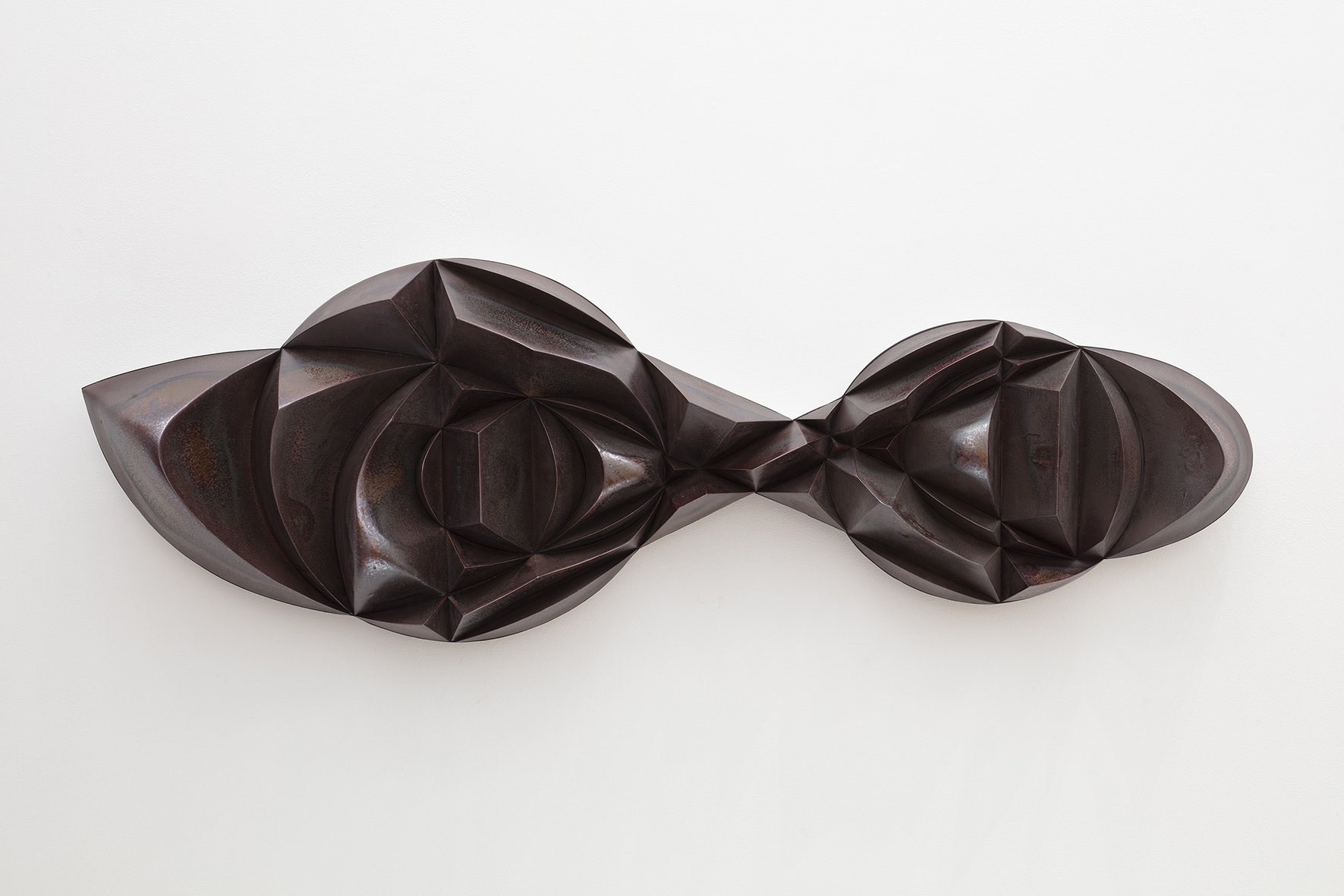
Cerámica esmaltada sobre aluminio
45 x 140 x 14.5 cm
What’s a Rich Text element?
What’s a Rich Text element?The rich text element allows you to create and format headings, paragraphs, blockquotes, images, and video all in one place instead of having to add and format them individually. Just double-click and easily create content.
The rich text element allows you to create and format headings, paragraphs, blockquotes, images, and video all in one place instead of having to add and format them individually. Just double-click and easily create content.Static and dynamic content editing
Static and dynamic content editingA rich text element can be used with static or dynamic content. For static content, just drop it into any page and begin editing. For dynamic content, add a rich text field to any collection and then connect a rich text element to that field in the settings panel. Voila!
A rich text element can be used with static or dynamic content. For static content, just drop it into any page and begin editing. For dynamic content, add a rich text field to any collection and then connect a rich text element to that field in the settings panel. Voila!How to customize formatting for each rich text
How to customize formatting for each rich textHeadings, paragraphs, blockquotes, figures, images, and figure captions can all be styled after a class is added to the rich text element using the "When inside of" nested selector system.
Headings, paragraphs, blockquotes, figures, images, and figure captions can all be styled after a class is added to the rich text element using the "When inside of" nested selector system.Glazed ceramic on aluminum
17.72 x 55.12 x 5.71 in
What’s a Rich Text element?
What’s a Rich Text element?The rich text element allows you to create and format headings, paragraphs, blockquotes, images, and video all in one place instead of having to add and format them individually. Just double-click and easily create content.
The rich text element allows you to create and format headings, paragraphs, blockquotes, images, and video all in one place instead of having to add and format them individually. Just double-click and easily create content.Static and dynamic content editing
Static and dynamic content editingA rich text element can be used with static or dynamic content. For static content, just drop it into any page and begin editing. For dynamic content, add a rich text field to any collection and then connect a rich text element to that field in the settings panel. Voila!
A rich text element can be used with static or dynamic content. For static content, just drop it into any page and begin editing. For dynamic content, add a rich text field to any collection and then connect a rich text element to that field in the settings panel. Voila!How to customize formatting for each rich text
How to customize formatting for each rich textHeadings, paragraphs, blockquotes, figures, images, and figure captions can all be styled after a class is added to the rich text element using the "When inside of" nested selector system.
Headings, paragraphs, blockquotes, figures, images, and figure captions can all be styled after a class is added to the rich text element using the "When inside of" nested selector system.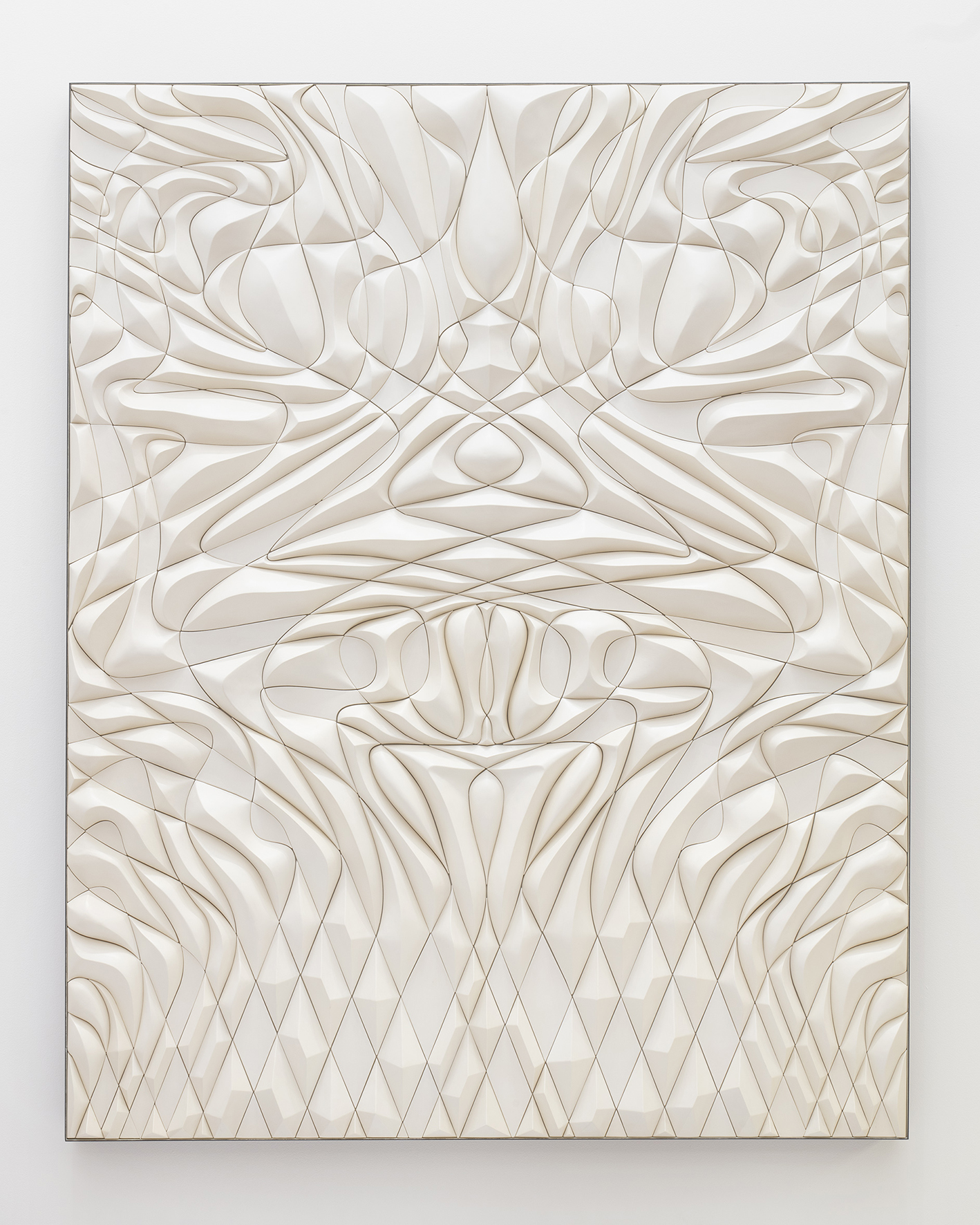
Cerámica esmaltada sobre aluminio
208 x 166 x 15 cm
What’s a Rich Text element?
What’s a Rich Text element?The rich text element allows you to create and format headings, paragraphs, blockquotes, images, and video all in one place instead of having to add and format them individually. Just double-click and easily create content.
The rich text element allows you to create and format headings, paragraphs, blockquotes, images, and video all in one place instead of having to add and format them individually. Just double-click and easily create content.Static and dynamic content editing
Static and dynamic content editingA rich text element can be used with static or dynamic content. For static content, just drop it into any page and begin editing. For dynamic content, add a rich text field to any collection and then connect a rich text element to that field in the settings panel. Voila!
A rich text element can be used with static or dynamic content. For static content, just drop it into any page and begin editing. For dynamic content, add a rich text field to any collection and then connect a rich text element to that field in the settings panel. Voila!How to customize formatting for each rich text
How to customize formatting for each rich textHeadings, paragraphs, blockquotes, figures, images, and figure captions can all be styled after a class is added to the rich text element using the "When inside of" nested selector system.
Headings, paragraphs, blockquotes, figures, images, and figure captions can all be styled after a class is added to the rich text element using the "When inside of" nested selector system.Glazed ceramic on aluminum
81.89 x 65.35 x 5.91 in
What’s a Rich Text element?
What’s a Rich Text element?The rich text element allows you to create and format headings, paragraphs, blockquotes, images, and video all in one place instead of having to add and format them individually. Just double-click and easily create content.
The rich text element allows you to create and format headings, paragraphs, blockquotes, images, and video all in one place instead of having to add and format them individually. Just double-click and easily create content.Static and dynamic content editing
Static and dynamic content editingA rich text element can be used with static or dynamic content. For static content, just drop it into any page and begin editing. For dynamic content, add a rich text field to any collection and then connect a rich text element to that field in the settings panel. Voila!
A rich text element can be used with static or dynamic content. For static content, just drop it into any page and begin editing. For dynamic content, add a rich text field to any collection and then connect a rich text element to that field in the settings panel. Voila!How to customize formatting for each rich text
How to customize formatting for each rich textHeadings, paragraphs, blockquotes, figures, images, and figure captions can all be styled after a class is added to the rich text element using the "When inside of" nested selector system.
Headings, paragraphs, blockquotes, figures, images, and figure captions can all be styled after a class is added to the rich text element using the "When inside of" nested selector system.
Cerámica esmaltada sobre aluminio
54 x 54 x 12 cm
What’s a Rich Text element?
What’s a Rich Text element?The rich text element allows you to create and format headings, paragraphs, blockquotes, images, and video all in one place instead of having to add and format them individually. Just double-click and easily create content.
The rich text element allows you to create and format headings, paragraphs, blockquotes, images, and video all in one place instead of having to add and format them individually. Just double-click and easily create content.Static and dynamic content editing
Static and dynamic content editingA rich text element can be used with static or dynamic content. For static content, just drop it into any page and begin editing. For dynamic content, add a rich text field to any collection and then connect a rich text element to that field in the settings panel. Voila!
A rich text element can be used with static or dynamic content. For static content, just drop it into any page and begin editing. For dynamic content, add a rich text field to any collection and then connect a rich text element to that field in the settings panel. Voila!How to customize formatting for each rich text
How to customize formatting for each rich textHeadings, paragraphs, blockquotes, figures, images, and figure captions can all be styled after a class is added to the rich text element using the "When inside of" nested selector system.
Headings, paragraphs, blockquotes, figures, images, and figure captions can all be styled after a class is added to the rich text element using the "When inside of" nested selector system.Glazed ceramic on aluminum
21.26 x 21.26 x 4.72 in
What’s a Rich Text element?
What’s a Rich Text element?The rich text element allows you to create and format headings, paragraphs, blockquotes, images, and video all in one place instead of having to add and format them individually. Just double-click and easily create content.
The rich text element allows you to create and format headings, paragraphs, blockquotes, images, and video all in one place instead of having to add and format them individually. Just double-click and easily create content.Static and dynamic content editing
Static and dynamic content editingA rich text element can be used with static or dynamic content. For static content, just drop it into any page and begin editing. For dynamic content, add a rich text field to any collection and then connect a rich text element to that field in the settings panel. Voila!
A rich text element can be used with static or dynamic content. For static content, just drop it into any page and begin editing. For dynamic content, add a rich text field to any collection and then connect a rich text element to that field in the settings panel. Voila!How to customize formatting for each rich text
How to customize formatting for each rich textHeadings, paragraphs, blockquotes, figures, images, and figure captions can all be styled after a class is added to the rich text element using the "When inside of" nested selector system.
Headings, paragraphs, blockquotes, figures, images, and figure captions can all be styled after a class is added to the rich text element using the "When inside of" nested selector system.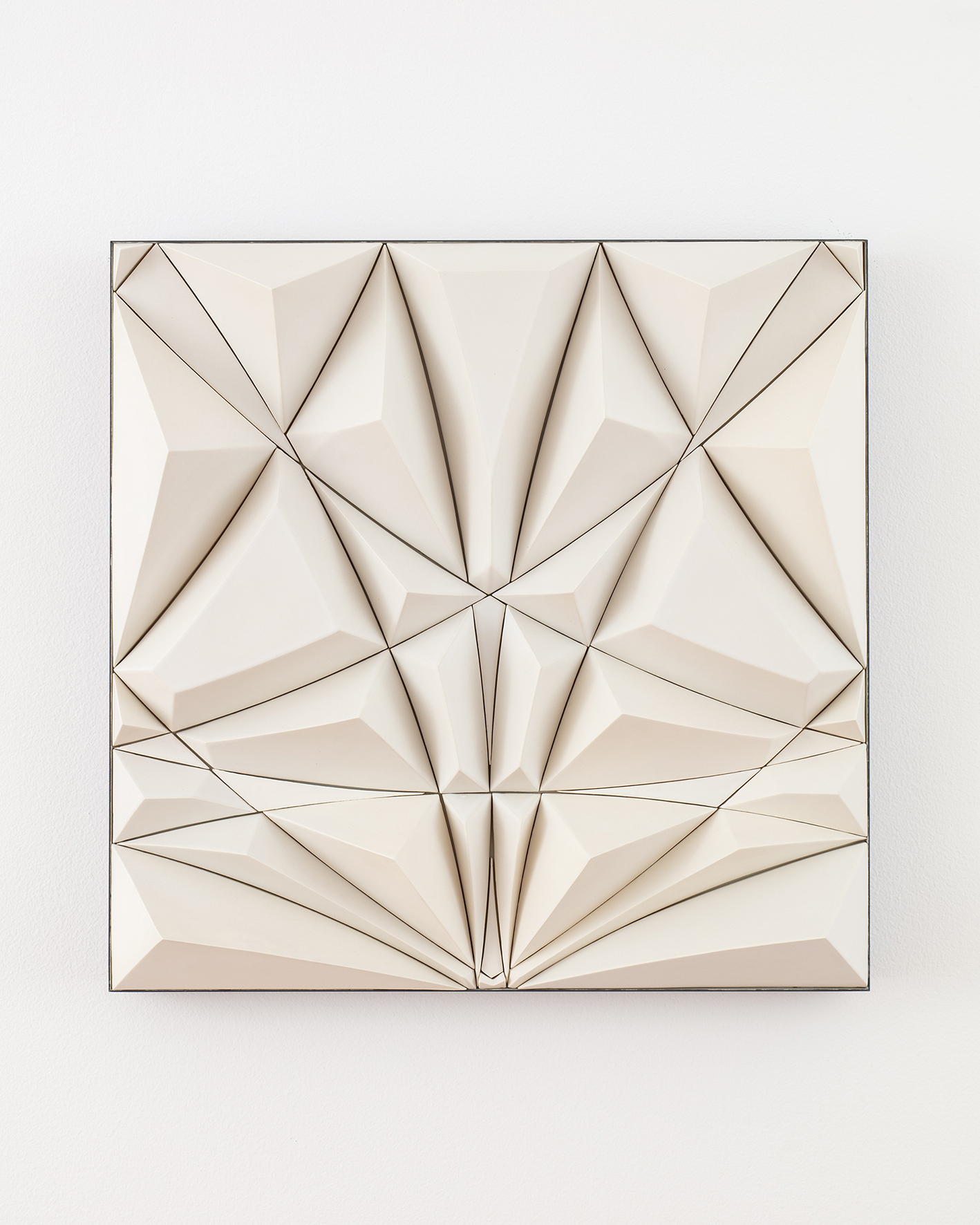
Cerámica esmaltada sobre aluminio
54 x 54 x 12 cm
What’s a Rich Text element?
What’s a Rich Text element?The rich text element allows you to create and format headings, paragraphs, blockquotes, images, and video all in one place instead of having to add and format them individually. Just double-click and easily create content.
The rich text element allows you to create and format headings, paragraphs, blockquotes, images, and video all in one place instead of having to add and format them individually. Just double-click and easily create content.Static and dynamic content editing
Static and dynamic content editingA rich text element can be used with static or dynamic content. For static content, just drop it into any page and begin editing. For dynamic content, add a rich text field to any collection and then connect a rich text element to that field in the settings panel. Voila!
A rich text element can be used with static or dynamic content. For static content, just drop it into any page and begin editing. For dynamic content, add a rich text field to any collection and then connect a rich text element to that field in the settings panel. Voila!How to customize formatting for each rich text
How to customize formatting for each rich textHeadings, paragraphs, blockquotes, figures, images, and figure captions can all be styled after a class is added to the rich text element using the "When inside of" nested selector system.
Headings, paragraphs, blockquotes, figures, images, and figure captions can all be styled after a class is added to the rich text element using the "When inside of" nested selector system.Glazed ceramic on aluminum
21.26 x 21.26 x 4.72 in
What’s a Rich Text element?
What’s a Rich Text element?The rich text element allows you to create and format headings, paragraphs, blockquotes, images, and video all in one place instead of having to add and format them individually. Just double-click and easily create content.
The rich text element allows you to create and format headings, paragraphs, blockquotes, images, and video all in one place instead of having to add and format them individually. Just double-click and easily create content.Static and dynamic content editing
Static and dynamic content editingA rich text element can be used with static or dynamic content. For static content, just drop it into any page and begin editing. For dynamic content, add a rich text field to any collection and then connect a rich text element to that field in the settings panel. Voila!
A rich text element can be used with static or dynamic content. For static content, just drop it into any page and begin editing. For dynamic content, add a rich text field to any collection and then connect a rich text element to that field in the settings panel. Voila!How to customize formatting for each rich text
How to customize formatting for each rich textHeadings, paragraphs, blockquotes, figures, images, and figure captions can all be styled after a class is added to the rich text element using the "When inside of" nested selector system.
Headings, paragraphs, blockquotes, figures, images, and figure captions can all be styled after a class is added to the rich text element using the "When inside of" nested selector system.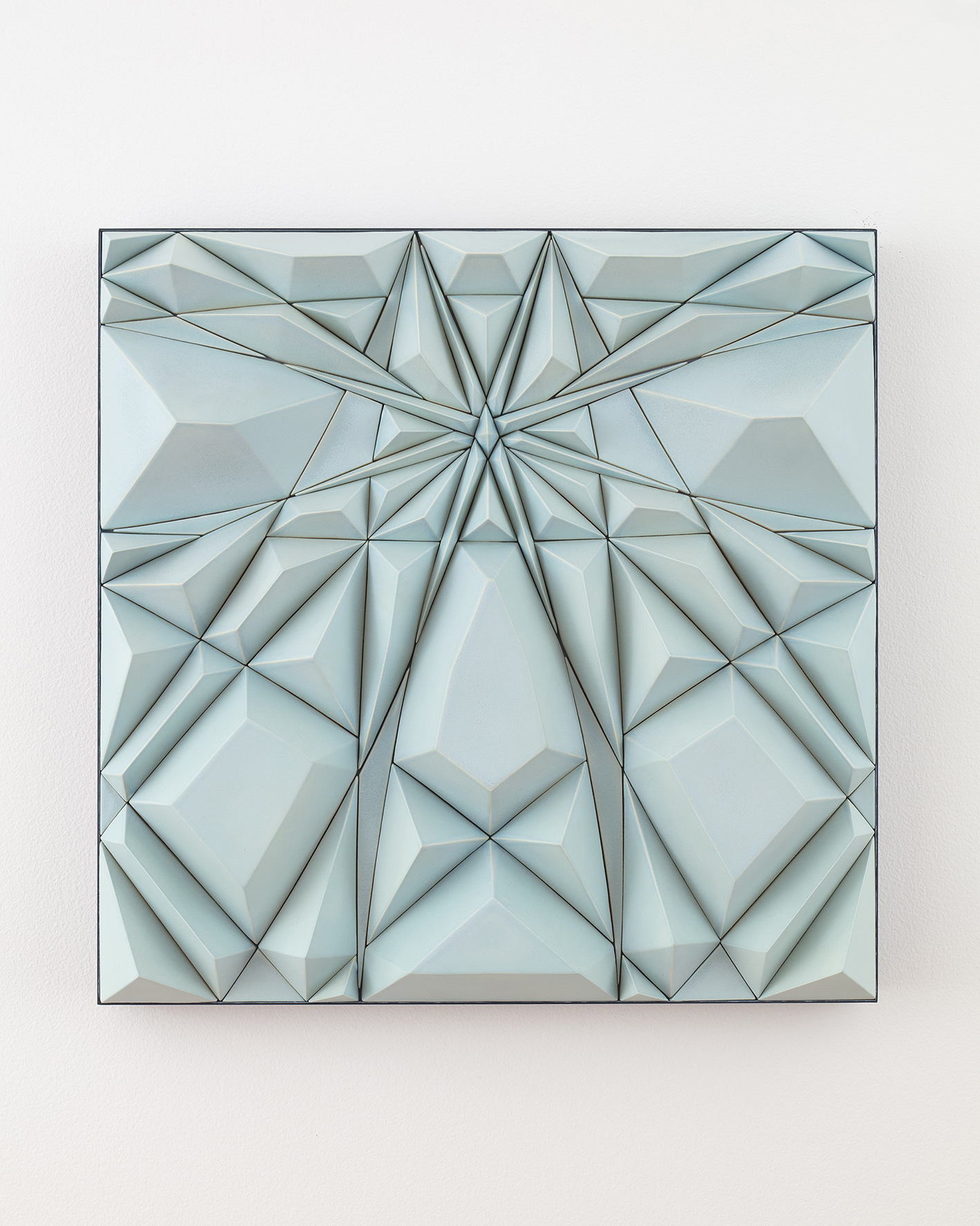
Cerámica esmaltada sobre aluminio
54 x 54 x 12 cm
What’s a Rich Text element?
What’s a Rich Text element?The rich text element allows you to create and format headings, paragraphs, blockquotes, images, and video all in one place instead of having to add and format them individually. Just double-click and easily create content.
The rich text element allows you to create and format headings, paragraphs, blockquotes, images, and video all in one place instead of having to add and format them individually. Just double-click and easily create content.Static and dynamic content editing
Static and dynamic content editingA rich text element can be used with static or dynamic content. For static content, just drop it into any page and begin editing. For dynamic content, add a rich text field to any collection and then connect a rich text element to that field in the settings panel. Voila!
A rich text element can be used with static or dynamic content. For static content, just drop it into any page and begin editing. For dynamic content, add a rich text field to any collection and then connect a rich text element to that field in the settings panel. Voila!How to customize formatting for each rich text
How to customize formatting for each rich textHeadings, paragraphs, blockquotes, figures, images, and figure captions can all be styled after a class is added to the rich text element using the "When inside of" nested selector system.
Headings, paragraphs, blockquotes, figures, images, and figure captions can all be styled after a class is added to the rich text element using the "When inside of" nested selector system.Glazed ceramic on aluminum
21.26 x 21.26 x 4.72 in
What’s a Rich Text element?
What’s a Rich Text element?The rich text element allows you to create and format headings, paragraphs, blockquotes, images, and video all in one place instead of having to add and format them individually. Just double-click and easily create content.
The rich text element allows you to create and format headings, paragraphs, blockquotes, images, and video all in one place instead of having to add and format them individually. Just double-click and easily create content.Static and dynamic content editing
Static and dynamic content editingA rich text element can be used with static or dynamic content. For static content, just drop it into any page and begin editing. For dynamic content, add a rich text field to any collection and then connect a rich text element to that field in the settings panel. Voila!
A rich text element can be used with static or dynamic content. For static content, just drop it into any page and begin editing. For dynamic content, add a rich text field to any collection and then connect a rich text element to that field in the settings panel. Voila!How to customize formatting for each rich text
How to customize formatting for each rich textHeadings, paragraphs, blockquotes, figures, images, and figure captions can all be styled after a class is added to the rich text element using the "When inside of" nested selector system.
Headings, paragraphs, blockquotes, figures, images, and figure captions can all be styled after a class is added to the rich text element using the "When inside of" nested selector system.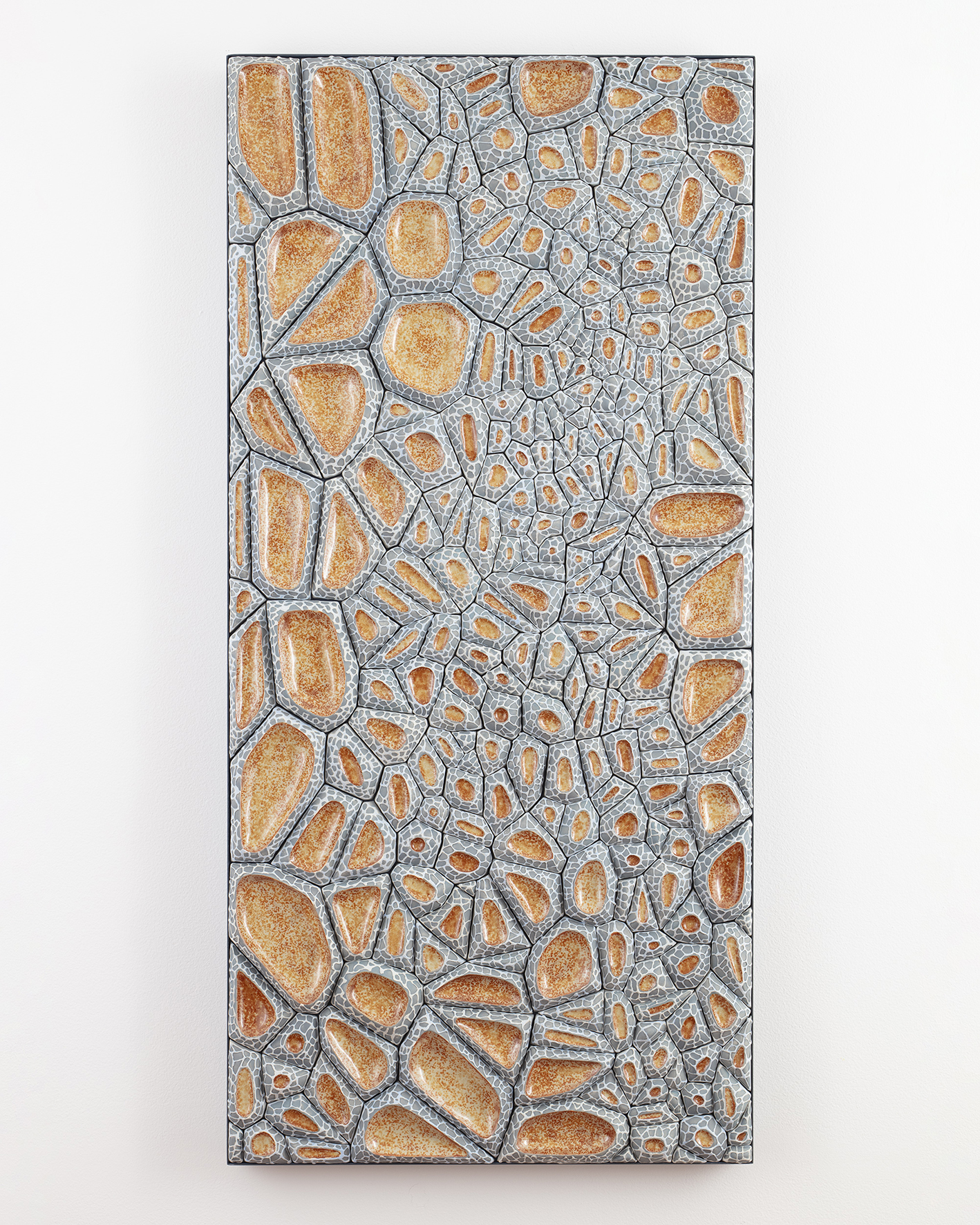
Cerámica esmaltada sobre aluminio
56 x 119 x 6.5 cm
What’s a Rich Text element?
What’s a Rich Text element?The rich text element allows you to create and format headings, paragraphs, blockquotes, images, and video all in one place instead of having to add and format them individually. Just double-click and easily create content.
The rich text element allows you to create and format headings, paragraphs, blockquotes, images, and video all in one place instead of having to add and format them individually. Just double-click and easily create content.Static and dynamic content editing
Static and dynamic content editingA rich text element can be used with static or dynamic content. For static content, just drop it into any page and begin editing. For dynamic content, add a rich text field to any collection and then connect a rich text element to that field in the settings panel. Voila!
A rich text element can be used with static or dynamic content. For static content, just drop it into any page and begin editing. For dynamic content, add a rich text field to any collection and then connect a rich text element to that field in the settings panel. Voila!How to customize formatting for each rich text
How to customize formatting for each rich textHeadings, paragraphs, blockquotes, figures, images, and figure captions can all be styled after a class is added to the rich text element using the "When inside of" nested selector system.
Headings, paragraphs, blockquotes, figures, images, and figure captions can all be styled after a class is added to the rich text element using the "When inside of" nested selector system.Glazed ceramic on aluminum
22.05 x 46.85 x 2.56 in
What’s a Rich Text element?
What’s a Rich Text element?The rich text element allows you to create and format headings, paragraphs, blockquotes, images, and video all in one place instead of having to add and format them individually. Just double-click and easily create content.
The rich text element allows you to create and format headings, paragraphs, blockquotes, images, and video all in one place instead of having to add and format them individually. Just double-click and easily create content.Static and dynamic content editing
Static and dynamic content editingA rich text element can be used with static or dynamic content. For static content, just drop it into any page and begin editing. For dynamic content, add a rich text field to any collection and then connect a rich text element to that field in the settings panel. Voila!
A rich text element can be used with static or dynamic content. For static content, just drop it into any page and begin editing. For dynamic content, add a rich text field to any collection and then connect a rich text element to that field in the settings panel. Voila!How to customize formatting for each rich text
How to customize formatting for each rich textHeadings, paragraphs, blockquotes, figures, images, and figure captions can all be styled after a class is added to the rich text element using the "When inside of" nested selector system.
Headings, paragraphs, blockquotes, figures, images, and figure captions can all be styled after a class is added to the rich text element using the "When inside of" nested selector system.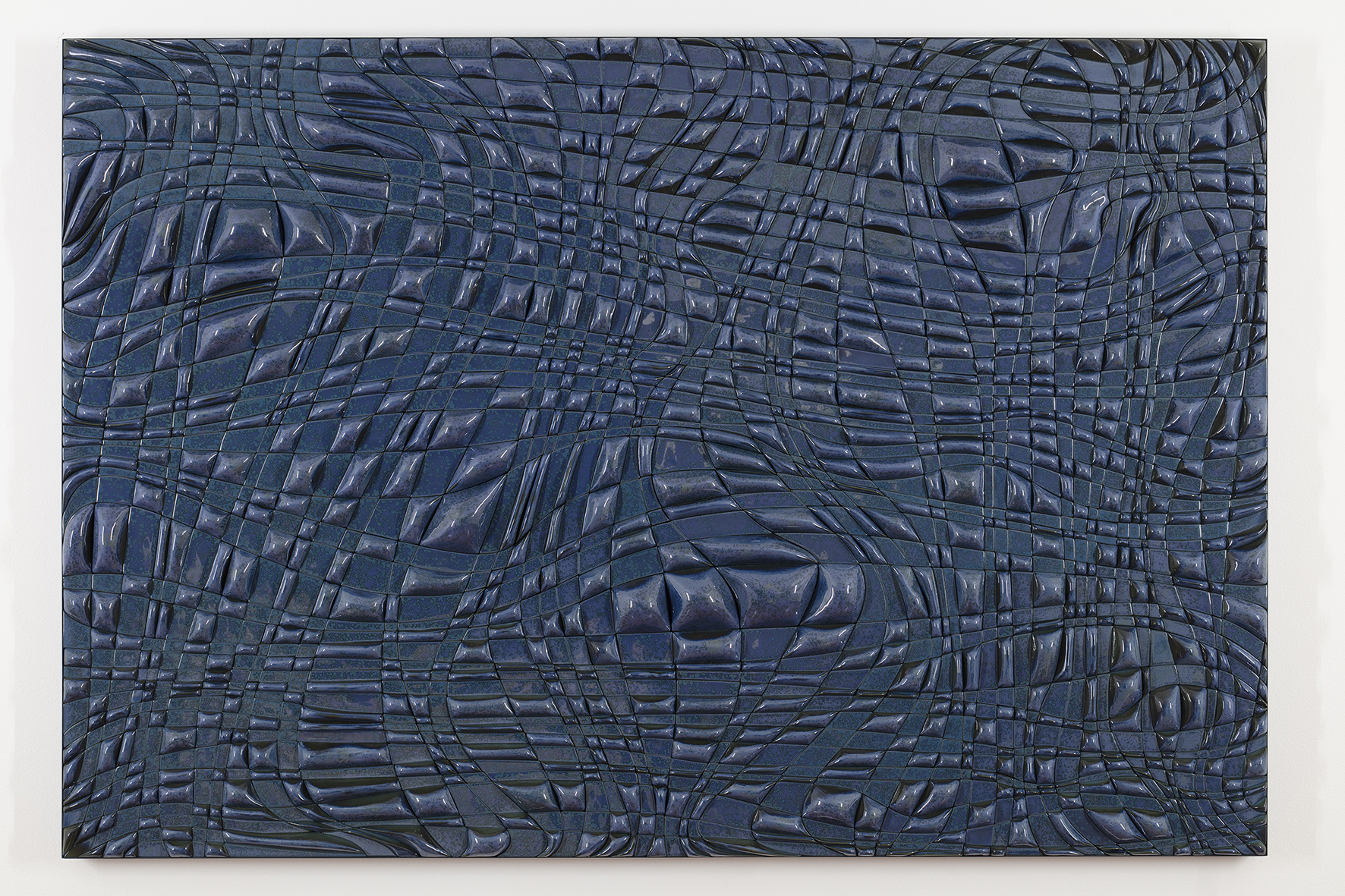
Cerámica esmaltada sobre aluminio
125.5 x 185.5 x 9 cm
What’s a Rich Text element?
What’s a Rich Text element?The rich text element allows you to create and format headings, paragraphs, blockquotes, images, and video all in one place instead of having to add and format them individually. Just double-click and easily create content.
The rich text element allows you to create and format headings, paragraphs, blockquotes, images, and video all in one place instead of having to add and format them individually. Just double-click and easily create content.Static and dynamic content editing
Static and dynamic content editingA rich text element can be used with static or dynamic content. For static content, just drop it into any page and begin editing. For dynamic content, add a rich text field to any collection and then connect a rich text element to that field in the settings panel. Voila!
A rich text element can be used with static or dynamic content. For static content, just drop it into any page and begin editing. For dynamic content, add a rich text field to any collection and then connect a rich text element to that field in the settings panel. Voila!How to customize formatting for each rich text
How to customize formatting for each rich textHeadings, paragraphs, blockquotes, figures, images, and figure captions can all be styled after a class is added to the rich text element using the "When inside of" nested selector system.
Headings, paragraphs, blockquotes, figures, images, and figure captions can all be styled after a class is added to the rich text element using the "When inside of" nested selector system.Glazed ceramic on aluminum
49.41 x 73.03 x 3.54 in
What’s a Rich Text element?
What’s a Rich Text element?The rich text element allows you to create and format headings, paragraphs, blockquotes, images, and video all in one place instead of having to add and format them individually. Just double-click and easily create content.
The rich text element allows you to create and format headings, paragraphs, blockquotes, images, and video all in one place instead of having to add and format them individually. Just double-click and easily create content.Static and dynamic content editing
Static and dynamic content editingA rich text element can be used with static or dynamic content. For static content, just drop it into any page and begin editing. For dynamic content, add a rich text field to any collection and then connect a rich text element to that field in the settings panel. Voila!
A rich text element can be used with static or dynamic content. For static content, just drop it into any page and begin editing. For dynamic content, add a rich text field to any collection and then connect a rich text element to that field in the settings panel. Voila!How to customize formatting for each rich text
How to customize formatting for each rich textHeadings, paragraphs, blockquotes, figures, images, and figure captions can all be styled after a class is added to the rich text element using the "When inside of" nested selector system.
Headings, paragraphs, blockquotes, figures, images, and figure captions can all be styled after a class is added to the rich text element using the "When inside of" nested selector system.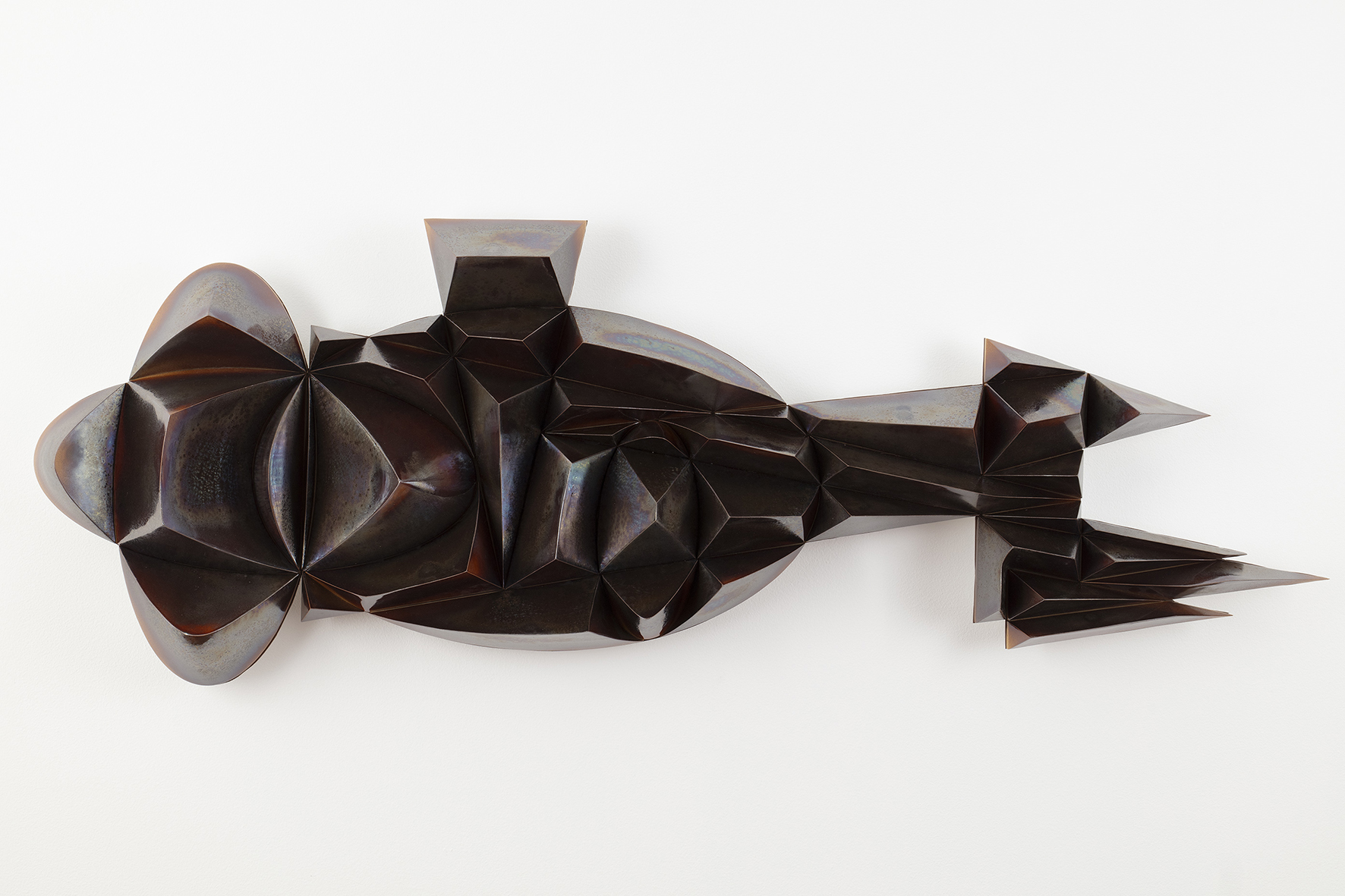
Cerámica esmaltada sobre aluminio
57 x 156 x 15 cm
What’s a Rich Text element?
What’s a Rich Text element?The rich text element allows you to create and format headings, paragraphs, blockquotes, images, and video all in one place instead of having to add and format them individually. Just double-click and easily create content.
The rich text element allows you to create and format headings, paragraphs, blockquotes, images, and video all in one place instead of having to add and format them individually. Just double-click and easily create content.Static and dynamic content editing
Static and dynamic content editingA rich text element can be used with static or dynamic content. For static content, just drop it into any page and begin editing. For dynamic content, add a rich text field to any collection and then connect a rich text element to that field in the settings panel. Voila!
A rich text element can be used with static or dynamic content. For static content, just drop it into any page and begin editing. For dynamic content, add a rich text field to any collection and then connect a rich text element to that field in the settings panel. Voila!How to customize formatting for each rich text
How to customize formatting for each rich textHeadings, paragraphs, blockquotes, figures, images, and figure captions can all be styled after a class is added to the rich text element using the "When inside of" nested selector system.
Headings, paragraphs, blockquotes, figures, images, and figure captions can all be styled after a class is added to the rich text element using the "When inside of" nested selector system.Glazed ceramic on aluminum
22.44 x 61.42 x 5.91 in
What’s a Rich Text element?
What’s a Rich Text element?The rich text element allows you to create and format headings, paragraphs, blockquotes, images, and video all in one place instead of having to add and format them individually. Just double-click and easily create content.
The rich text element allows you to create and format headings, paragraphs, blockquotes, images, and video all in one place instead of having to add and format them individually. Just double-click and easily create content.Static and dynamic content editing
Static and dynamic content editingA rich text element can be used with static or dynamic content. For static content, just drop it into any page and begin editing. For dynamic content, add a rich text field to any collection and then connect a rich text element to that field in the settings panel. Voila!
A rich text element can be used with static or dynamic content. For static content, just drop it into any page and begin editing. For dynamic content, add a rich text field to any collection and then connect a rich text element to that field in the settings panel. Voila!How to customize formatting for each rich text
How to customize formatting for each rich textHeadings, paragraphs, blockquotes, figures, images, and figure captions can all be styled after a class is added to the rich text element using the "When inside of" nested selector system.
Headings, paragraphs, blockquotes, figures, images, and figure captions can all be styled after a class is added to the rich text element using the "When inside of" nested selector system.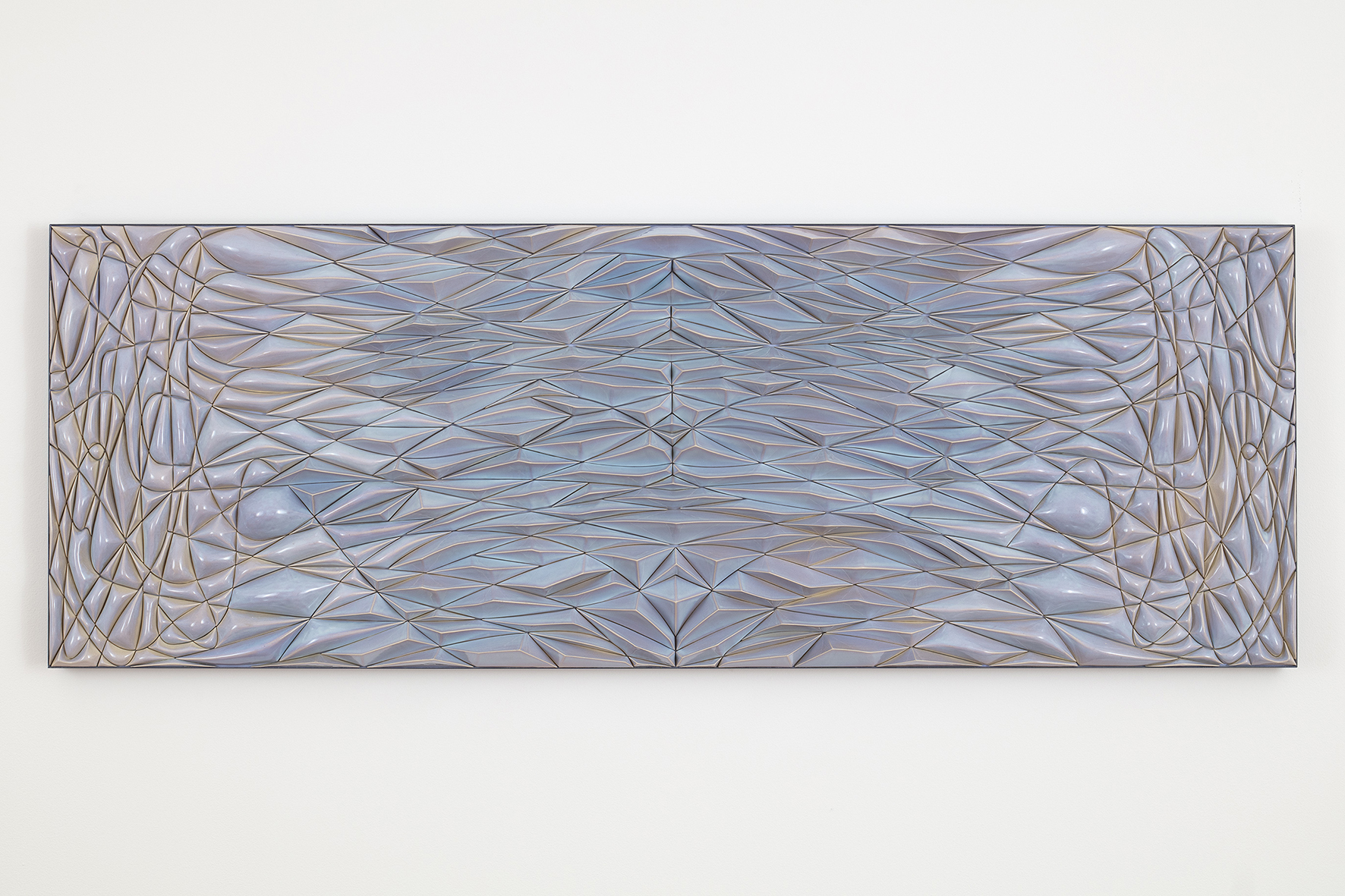
Cerámica esmaltada sobre aluminio
70 x 199 x 12 cm
What’s a Rich Text element?
What’s a Rich Text element?The rich text element allows you to create and format headings, paragraphs, blockquotes, images, and video all in one place instead of having to add and format them individually. Just double-click and easily create content.
The rich text element allows you to create and format headings, paragraphs, blockquotes, images, and video all in one place instead of having to add and format them individually. Just double-click and easily create content.Static and dynamic content editing
Static and dynamic content editingA rich text element can be used with static or dynamic content. For static content, just drop it into any page and begin editing. For dynamic content, add a rich text field to any collection and then connect a rich text element to that field in the settings panel. Voila!
A rich text element can be used with static or dynamic content. For static content, just drop it into any page and begin editing. For dynamic content, add a rich text field to any collection and then connect a rich text element to that field in the settings panel. Voila!How to customize formatting for each rich text
How to customize formatting for each rich textHeadings, paragraphs, blockquotes, figures, images, and figure captions can all be styled after a class is added to the rich text element using the "When inside of" nested selector system.
Headings, paragraphs, blockquotes, figures, images, and figure captions can all be styled after a class is added to the rich text element using the "When inside of" nested selector system.Glazed ceramic on aluminum
27.56 x 78.35 x 4.72 in
What’s a Rich Text element?
What’s a Rich Text element?The rich text element allows you to create and format headings, paragraphs, blockquotes, images, and video all in one place instead of having to add and format them individually. Just double-click and easily create content.
The rich text element allows you to create and format headings, paragraphs, blockquotes, images, and video all in one place instead of having to add and format them individually. Just double-click and easily create content.Static and dynamic content editing
Static and dynamic content editingA rich text element can be used with static or dynamic content. For static content, just drop it into any page and begin editing. For dynamic content, add a rich text field to any collection and then connect a rich text element to that field in the settings panel. Voila!
A rich text element can be used with static or dynamic content. For static content, just drop it into any page and begin editing. For dynamic content, add a rich text field to any collection and then connect a rich text element to that field in the settings panel. Voila!How to customize formatting for each rich text
How to customize formatting for each rich textHeadings, paragraphs, blockquotes, figures, images, and figure captions can all be styled after a class is added to the rich text element using the "When inside of" nested selector system.
Headings, paragraphs, blockquotes, figures, images, and figure captions can all be styled after a class is added to the rich text element using the "When inside of" nested selector system.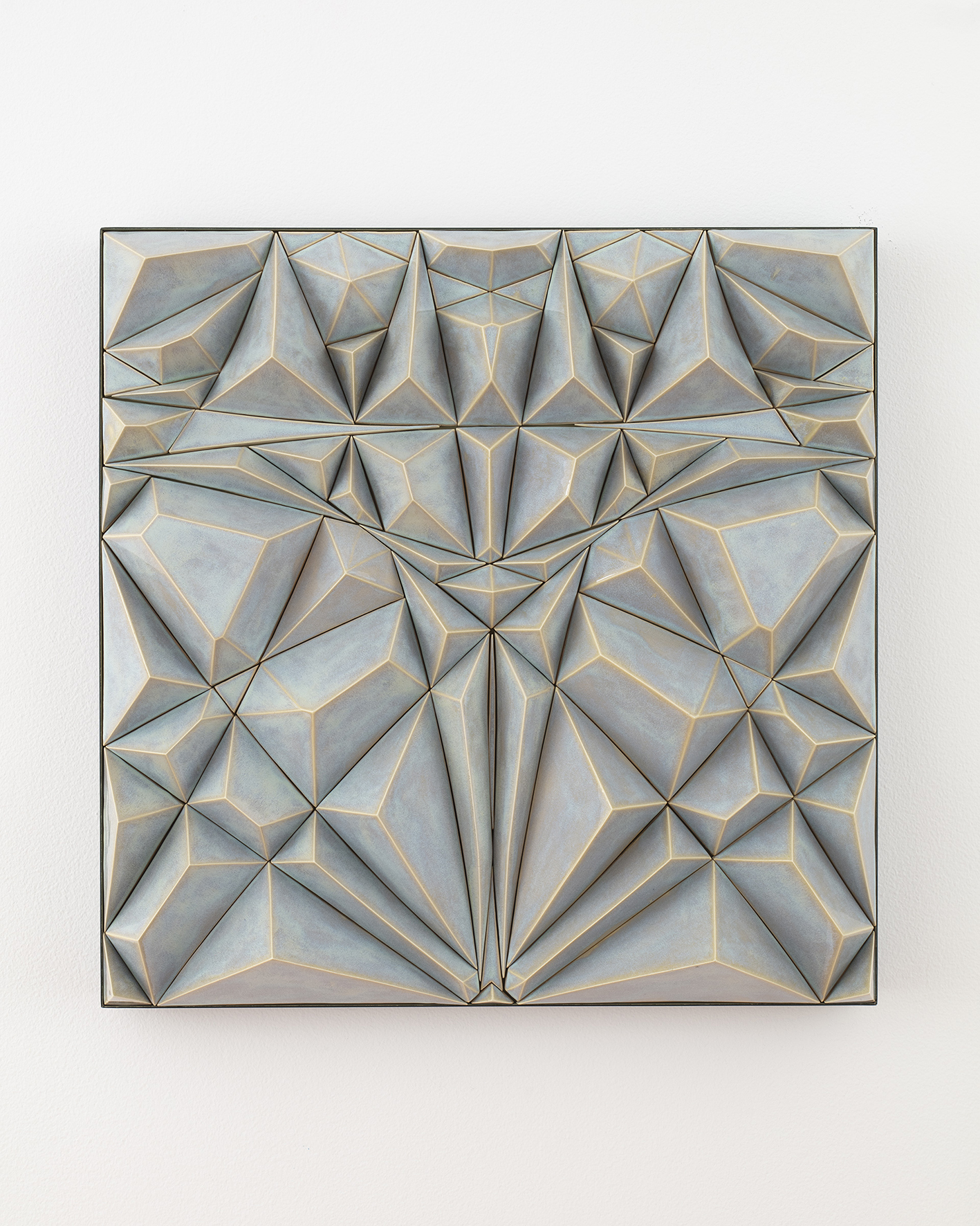
Cerámica esmaltada sobre aluminio
54 x 54 x 12 cm
What’s a Rich Text element?
What’s a Rich Text element?The rich text element allows you to create and format headings, paragraphs, blockquotes, images, and video all in one place instead of having to add and format them individually. Just double-click and easily create content.
The rich text element allows you to create and format headings, paragraphs, blockquotes, images, and video all in one place instead of having to add and format them individually. Just double-click and easily create content.Static and dynamic content editing
Static and dynamic content editingA rich text element can be used with static or dynamic content. For static content, just drop it into any page and begin editing. For dynamic content, add a rich text field to any collection and then connect a rich text element to that field in the settings panel. Voila!
A rich text element can be used with static or dynamic content. For static content, just drop it into any page and begin editing. For dynamic content, add a rich text field to any collection and then connect a rich text element to that field in the settings panel. Voila!How to customize formatting for each rich text
How to customize formatting for each rich textHeadings, paragraphs, blockquotes, figures, images, and figure captions can all be styled after a class is added to the rich text element using the "When inside of" nested selector system.
Headings, paragraphs, blockquotes, figures, images, and figure captions can all be styled after a class is added to the rich text element using the "When inside of" nested selector system.Glazed ceramic on aluminum
21.26 x 21.26 x 4.72 in
What’s a Rich Text element?
What’s a Rich Text element?The rich text element allows you to create and format headings, paragraphs, blockquotes, images, and video all in one place instead of having to add and format them individually. Just double-click and easily create content.
The rich text element allows you to create and format headings, paragraphs, blockquotes, images, and video all in one place instead of having to add and format them individually. Just double-click and easily create content.Static and dynamic content editing
Static and dynamic content editingA rich text element can be used with static or dynamic content. For static content, just drop it into any page and begin editing. For dynamic content, add a rich text field to any collection and then connect a rich text element to that field in the settings panel. Voila!
A rich text element can be used with static or dynamic content. For static content, just drop it into any page and begin editing. For dynamic content, add a rich text field to any collection and then connect a rich text element to that field in the settings panel. Voila!How to customize formatting for each rich text
How to customize formatting for each rich textHeadings, paragraphs, blockquotes, figures, images, and figure captions can all be styled after a class is added to the rich text element using the "When inside of" nested selector system.
Headings, paragraphs, blockquotes, figures, images, and figure captions can all be styled after a class is added to the rich text element using the "When inside of" nested selector system.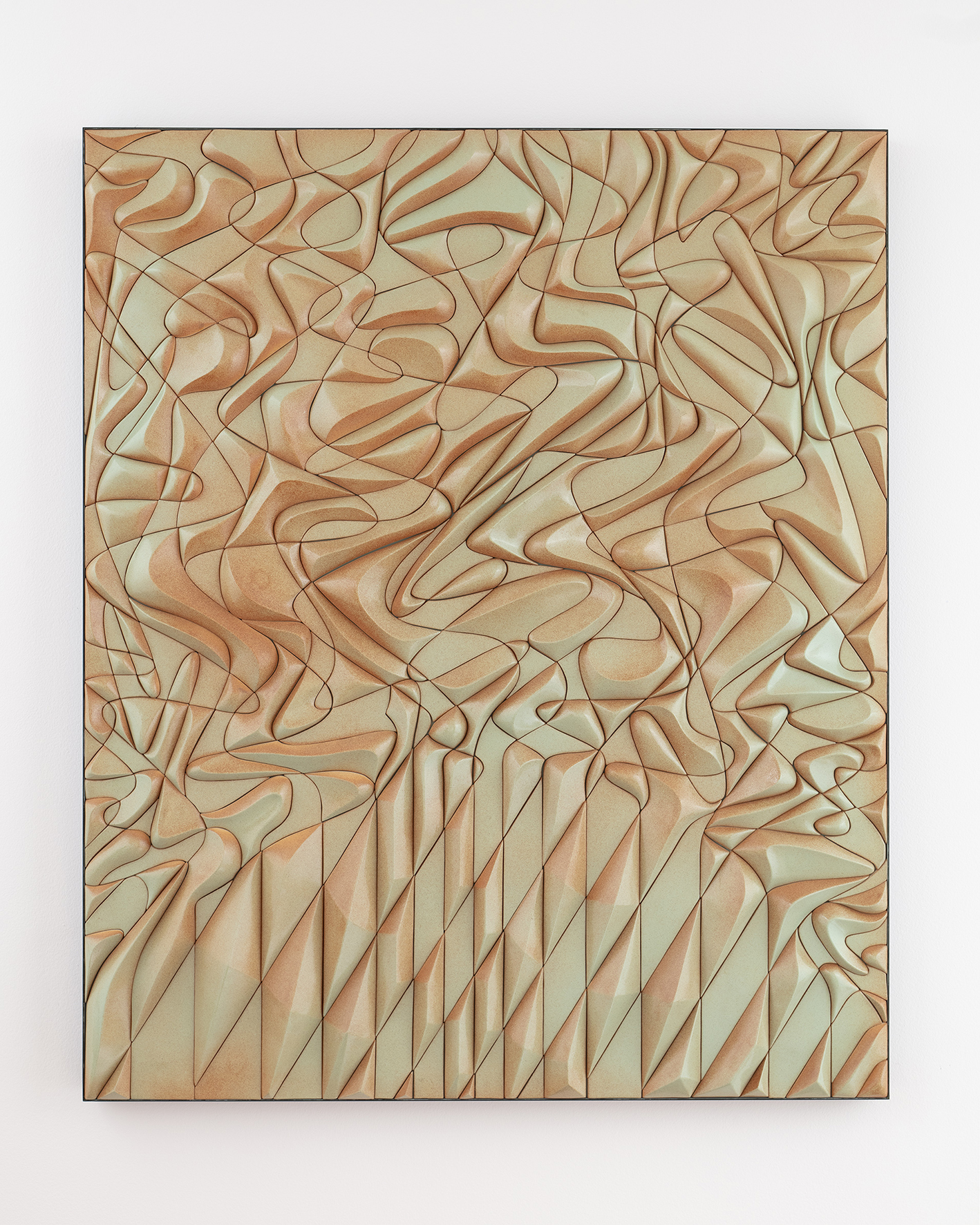
Cerámica esmaltada sobre aluminio
100 x 83 x 7 cm
What’s a Rich Text element?
What’s a Rich Text element?The rich text element allows you to create and format headings, paragraphs, blockquotes, images, and video all in one place instead of having to add and format them individually. Just double-click and easily create content.
The rich text element allows you to create and format headings, paragraphs, blockquotes, images, and video all in one place instead of having to add and format them individually. Just double-click and easily create content.Static and dynamic content editing
Static and dynamic content editingA rich text element can be used with static or dynamic content. For static content, just drop it into any page and begin editing. For dynamic content, add a rich text field to any collection and then connect a rich text element to that field in the settings panel. Voila!
A rich text element can be used with static or dynamic content. For static content, just drop it into any page and begin editing. For dynamic content, add a rich text field to any collection and then connect a rich text element to that field in the settings panel. Voila!How to customize formatting for each rich text
How to customize formatting for each rich textHeadings, paragraphs, blockquotes, figures, images, and figure captions can all be styled after a class is added to the rich text element using the "When inside of" nested selector system.
Headings, paragraphs, blockquotes, figures, images, and figure captions can all be styled after a class is added to the rich text element using the "When inside of" nested selector system.Glazed ceramic on aluminum
39.37 x 32.68 x 2.76 in
What’s a Rich Text element?
What’s a Rich Text element?The rich text element allows you to create and format headings, paragraphs, blockquotes, images, and video all in one place instead of having to add and format them individually. Just double-click and easily create content.
The rich text element allows you to create and format headings, paragraphs, blockquotes, images, and video all in one place instead of having to add and format them individually. Just double-click and easily create content.Static and dynamic content editing
Static and dynamic content editingA rich text element can be used with static or dynamic content. For static content, just drop it into any page and begin editing. For dynamic content, add a rich text field to any collection and then connect a rich text element to that field in the settings panel. Voila!
A rich text element can be used with static or dynamic content. For static content, just drop it into any page and begin editing. For dynamic content, add a rich text field to any collection and then connect a rich text element to that field in the settings panel. Voila!How to customize formatting for each rich text
How to customize formatting for each rich textHeadings, paragraphs, blockquotes, figures, images, and figure captions can all be styled after a class is added to the rich text element using the "When inside of" nested selector system.
Headings, paragraphs, blockquotes, figures, images, and figure captions can all be styled after a class is added to the rich text element using the "When inside of" nested selector system.Video Full HD
Loop
2020
Video Full HD
Loop
2021
Video Full HD
Loop
2021
Video Full HD
Loop
2021
Video Full HD
Loop
2021
Video Full HD
Loop
2021