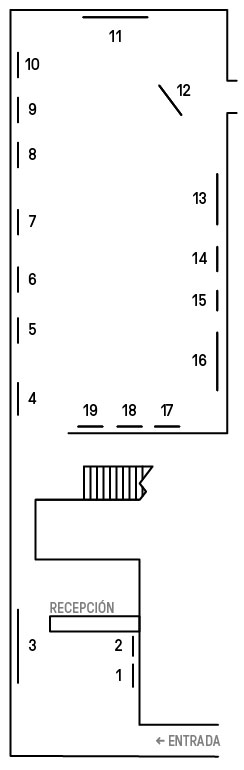
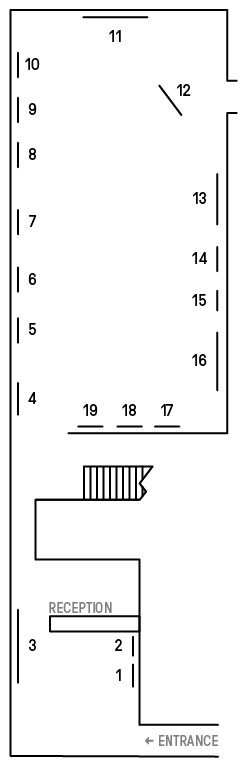
Fernando Garcia Ponce
La Conciencia del Espacio
Arnaldo Coen
Hay artistas que construyen una obra y otros que construyen más que la obra misma, una manera de mirar. Cuando pienso en Fernando García Ponce, no pienso primero en una imagen determinada. Pienso en el espacio. En su manera de ocuparlo, dividirlo, interrumpirlo, de dejarlo respirar o llevarlo casi hasta la saturación. Fernando no colocaba formas sobre una superficie, él parecía preguntarse continuamente qué podía suceder dentro de ella.
Quizá por eso me gusta pensar que Fernando era un arquitecto de sus lienzos.
Lo digo en un sentido que va más allá de su formación como arquitecto. Había en él una conciencia del espacio anterior incluso a la imagen. El espacio era, de alguna manera, el primer material de su pintura. Una línea o un objeto, cualquier cosa material, tangible o abstracta, podían modificar por completo la estructura de la obra. El cuadro podía empezar siendo una cosa y terminar siendo otra. Podía girar la tela, abandonarla, retomarla, incorporarla a una obra distinta. Nada parecía definitivamente decidido porque todo podía volver a entrar en juego.
Fernando no se imponía sobre los materiales. Los escuchaba.
Eso quizá explique algo esencial de su pintura. Hay obras que parecen obedecer a una idea concebida de antemano y otras en las que pensamiento y materia van descubriéndose mutuamente. Fernando pertenecía a estas últimas. Trabajaba varias piezas simultáneamente; retomaba un bastidor viejo, una madera rota, un fragmento que había quedado de otra obra. Una revista, un periódico, un plano de arquitectura o de ingeniería podían entrar repentinamente en el cuadro. Incluso un libro podía dejar de ser intocable: si encontraba allí una imagen o una forma que necesitaba, podía cortar la página e incorporarla.
No era acumulación. Era elección.
Recuerdo una historia que siempre me ha parecido reveladora. En alguna ocasión tuvo una discusión con su pareja. En medio del altercado, una puerta terminó destrozada. Después vino la reconciliación, pero quedó aquella pobre puerta rota. Fernando la vio y decidió salvarla. Entonces sucedió algo que para mí lo describe muy claramente, la puerta dejó de ser una puerta y se convirtió en el soporte de una pintura.
Eso era muy él.
Me interesa mucho ese gesto porque contiene algo fundamental de su manera de entender la pintura. No se trataba simplemente de aprovechar un objeto encontrado. La violencia había modificado físicamente la puerta, pero también había depositado en ella una experiencia. Aquello que había perdido su función adquiría otra posibilidad de existencia.
Fernando no borró esa historia, la incorporó.
El arte ha regresado muchas veces a ese territorio. Desde que el collage introdujo un fragmento de realidad en el espacio de la representación, la pintura dejó de estar obligada a fingir que el mundo terminaba en sus bordes. Kurt Schwitters entendió, quizá mejor que nadie, que un resto podía contener un universo, que un boleto, un papel impreso, una madera o un desecho, separados de su función original, podían adquirir otra intensidad al entrar en relación con otros fragmentos.
Tal vez por eso Fernando admiraba profundamente a Schwitters. Hablábamos de él como hablábamos de Rothko, de Rauschenberg, del constructivismo, del expresionismo abstracto, del Pop, de tantas cosas que entonces nos interesaban. Pero nunca sentí que Fernando quisiera parecerse a ninguno. La admiración verdadera funciona de otra manera.
Reconocerse en otro artista puede ser una forma de reconocerse a uno mismo.
Fernando podía encontrar en Schwitters una libertad que le era cercana, la posibilidad de construir con aquello que estaba disponible, de aceptar el fragmento, de permitir que la materia conservara su memoria y, al mismo tiempo, adquiriera otro significado. Pero esa afinidad pasaba inmediatamente por su propia sensibilidad.
Schwitters había comprendido que los restos del mundo podían construir otro mundo. Un boleto, una madera, una tipografía, un pedazo de periódico dejaban de ser aquello para lo que habían sido hechos y, al entrar en la obra, adquirían otra realidad. Duchamp había llevado esa pregunta todavía más lejos: ¿qué ocurre cuando desplazamos una cosa de su función y, simplemente por mirarla desde otro lugar, modificamos su significado?
Fernando conocía perfectamente esas experiencias, pero hacía con ellas otra cosa. Existía esa necesidad de que el espacio deje de ser simplemente fondo y se convierta en acontecimiento. Fernando, sin embargo, llevaba consigo otra memoria, la arquitectura.
Él era, en el fondo, un constructor.
Yo diría incluso que era un arquitecto de sus cuadros.
Alguna vez le dije que Schwitters era como un García Ponce en tercera dimensión. La frase era, naturalmente, una provocación entre amigos, pero sigo pensando que había algo de verdad en ella. Nunca pensé que Fernando quisiera parecerse a Schwitters.
Una cosa es la influencia y otra, muy distinta, reconocerse en la libertad que otro artista ha conquistado.
Las obras de Garcia Ponce, podían tener algo de plano y algo de construcción. Podía resolver con la misma autoridad un collage pequeño y una superficie monumental porque la escala no alteraba su comprensión del espacio. Cambiaban las dimensiones, no el problema.
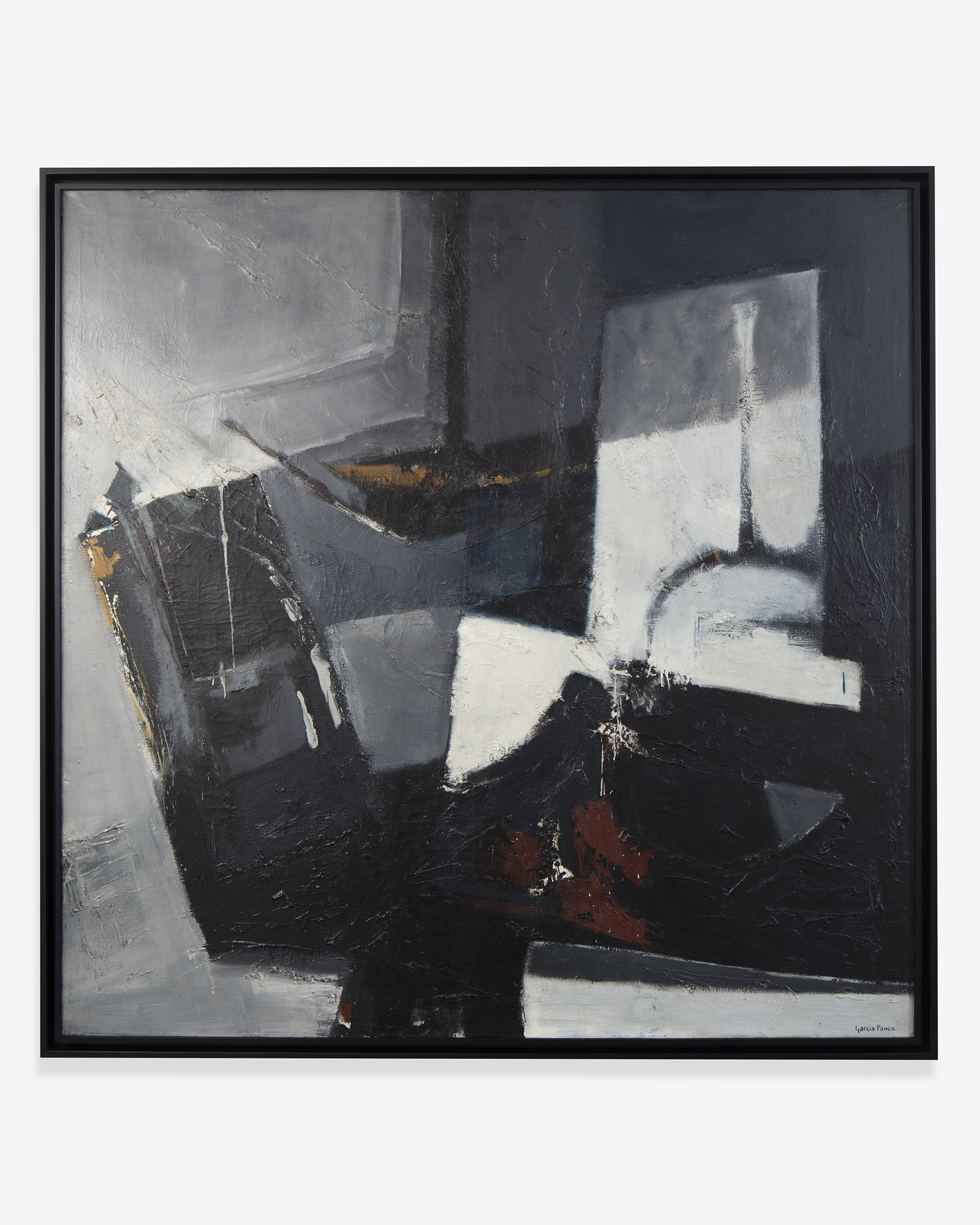
Su paleta contribuía a esa concentración. Había en Fernando una sobriedad cromática y formal que podía llegar a ser extraordinariamente elegante. Pero sería equivocado confundir sobriedad con frialdad.
Su obra tiene una carga emocional muy fuerte.
Su color también era así. Era muy diferente del mío. Fernando podía trabajar con azules, grises, blancos, negros; una paleta contenida. Yo iba por otros caminos. Nuestros soportes eran distintos, nuestros colores eran distintos, nuestra manera de entrar a la pintura era distinta.
Pero sabíamos leer la obra del otro.
Eso es algo que quizá ahora valoro más que entonces.
La amistad entre artistas no consiste en pensar igual. Al contrario. Consiste en poder entrar por un momento en la mirada del otro sin perder la propia. Nosotros hacíamos eso.
No recuerdo que Fernando y yo tuviéramos grandes discusiones sobre nuestras obras. No nos sentábamos solemnemente a explicarnos qué queríamos decir. Eso hubiera sido bastante aburrido.
Nos veíamos trabajar.
Y al ver trabajar al otro uno comprende cosas que probablemente no aparecerían nunca en una conversación.
Fernando trabajaba varias piezas al mismo tiempo. Un objeto podía pasar de una obra a otra. Podía romper un bastidor y después descubrir que ese bastidor roto tenía más fuerza que antes. Podía empezar con una estructura y destruirla porque durante el proceso había aparecido algo mejor. Eso me parece fundamental.
Fernando no obligaba a la obra a obedecerlo.
La dejaba contestar.
Había un diálogo entre lo que sabía y lo que iba descubriendo. Entre el arquitecto que organizaba y el pintor que podía echar abajo esa organización porque una mancha, una madera o un vacío acababan de abrir una posibilidad que antes no existía.
Tal vez por eso su pintura conserva algo que me sigue sorprendiendo: está rigurosamente construida y, al mismo tiempo, parece haber sucedido espontáneamente.
Y ésa es una combinación muy difícil.
El conocimiento puede convertirse en una cárcel para un artista. Uno ha visto demasiado, ha leído demasiado, conoce demasiadas soluciones. El verdadero problema es conseguir que todo eso que uno sabe no impida que aparezca aquello que todavía no sabe.
Fernando podía hacerlo.
Era culto, observaba muchísimo, conocía la pintura de su tiempo y la que la había precedido. Pero cuando trabajaba podía olvidarse de todo eso. O mejor dicho, no necesitaba recordarlo porque ya estaba dentro de él. Eso es muy diferente.
Había momentos en que Fernando era barroco y otros en que era un espíritu vacío. O quizá un espíritu pleno.
Porque el vacío en su pintura nunca fue ausencia.
El vacío era una forma activa. Una pausa, una respiración, una tensión. Fernando podía saturar una superficie y después permitir que otra quedara casi desnuda. Entre esos extremos ocurría algo difícil de nombrar. Y quizá precisamente ahí está una de las cualidades que sigo encontrando en sus cuadros, uno siente el tránsito hacia algo que todavía no sabe qué es.
Hay pintura que se comprende demasiado pronto.
La de Fernando conserva una zona que se resiste.
Osaka
Lo recuerdo especialmente durante la realización de los murales para la exposición de México en Osaka. Éramos once pintores trabajando en un mismo espacio. Pensándolo ahora, me parece una situación extraordinaria. Once maneras distintas de entender la pintura ocurriendo simultáneamente.
Imaginarlo ahora resulta extraordinario.
No existía entre nosotros una doctrina común ni una estética que tuviéramos que obedecer. Al contrario, cada quien estaba intentando llevar su propio lenguaje hasta donde pudiera. Nos observábamos, hacíamos bromas, opinábamos, nos criticábamos algunas veces, pero había sobre todo un enorme respeto por lo que el otro estaba buscando. Tal vez intuíamos el trabajo de los demás más de lo que hablábamos de él.
Fernando se concentraba profundamente. Todo lo que sucedía alrededor parecía terminar, de una manera u otra, entrando en relación con lo que estaba haciendo. Se acercaba a la obra, trabajaba y luego se alejaba para verla. Volvía a acercarse. Se retiraba nuevamente.
Y alguna vez, después de observar lo que había conseguido, se decía:
“Fernando, eres un chingón. Eres un genio.”
Y se aplaudía.
Nos hacía reír, por supuesto. Pero ahora que lo pienso, había algo muy serio detrás de la broma. Fernando estaba celebrando el momento en que la pintura le devolvía algo que él mismo no sabía que iba a encontrar.
Ése es uno de los grandes placeres de pintar.
Había en Fernando un verdadero placer por descubrir que algo había sucedido en la obra. Porque durante el proceso uno nunca sabe del todo qué va a encontrar. Eso era importante para nosotros. No buscábamos confirmar lo que ya sabíamos.
Pintar era exponerse a aquello que todavía no tenía nombre.
Por eso me cuesta aceptar del todo la palabra Ruptura para definir lo que ocurrió entre nosotros. La palabra llegó después. Nosotros no estábamos reunidos alrededor de un manifiesto. No nos levantábamos por la mañana pensando que teníamos que romper con algo.
Éramos pintores libres.
Y quizá ése sea el verdadero común denominador de aquella época.
Cada uno entendía esa libertad de manera distinta. Manuel Felguérez podía buscar sistemas y estructuras capaces de organizar la forma. Lilia Carrillo encontraba una espontaneidad extraordinaria en el propio acto de pintar. Alberto Gironella podía entrar obsesivamente en conversación con Velázquez o El Greco. Fernando permaneció quizá más fiel que ninguno de nosotros a la abstracción.
No necesitábamos parecernos para reconocernos.
Por el contrario, la diferencia era precisamente lo que hacía posible la conversación.
Era una época extraordinaria porque las cosas cambiaban a una velocidad enorme. Uno todavía estaba tratando de comprender una vanguardia cuando ya estaba apareciendo otra.
La Zona Rosa
Nuestra amistad sucedía también fuera de los estudios.
Era la época de la Zona Rosa. Fernando tenía ahí su departamento y su lugar de trabajo. Nos visitábamos. Íbamos a exposiciones, especialmente a las de nuestros amigos. Después de las inauguraciones terminábamos muchas veces cenando juntos, artistas y amigos, prolongando durante horas las conversaciones. El Caramel, El Perro Andaluz y otros lugares formaban parte de aquella geografía.
Cualquier pretexto servía para reunirnos: una exposición, un cumpleaños, una fiesta. Pero inevitablemente regresábamos al arte. A lo que estábamos haciendo. A lo que habíamos visto.
Fernando y yo como mencioné éramos pintores muy distintos. Pero había un gran respeto por la obra del otro.
Eso me parece ahora una forma muy profunda de amistad.
No se trataba de coincidir. Se trataba de poder mirar desde el lugar del otro sin abandonar el propio.
Había complicidad, admiración y también una invitación permanente a descubrir algo diferente en la obra del amigo y, a través de ella, en la propia.
Fernando era particularmente generoso en ese sentido. Cuando digo que era generoso no me refiero solamente a su carácter. Para mí, la generosidad de un artista consiste en saber ver.
Ver exige estar abierto.
Aprender y aprehender.
Fernando encontraba algo interesante en cada uno. No recuerdo en él esa necesidad de disminuir el trabajo ajeno para afirmar el propio.
Observaba muchísimo. Era culto, conocía lo que estaba sucediendo en el arte de su tiempo, pero ese conocimiento nunca parecía convertirse en una carga.
Su cultura no precedía a la mirada. La acompañaba.
Y quizá por eso podía sorprenderse.
Pienso que un artista deja de ser verdaderamente artista cuando pierde esa capacidad. Cuando ya sabe de antemano lo que debe mirar, lo que debe pensar, lo que debe gustarle. Fernando conservaba la disponibilidad de quien todavía puede encontrarse con algo inesperado.
Esa misma disponibilidad estaba en su pintura.
Una mancha podía cambiar el cuadro. Una línea podía obligarlo a reconsiderar el espacio. Un pedazo de madera podía alterar una estructura que parecía resuelta. El accidente no era un enemigo de la construcción; podía convertirse en parte de ella.
Por eso sus obras me parecen, todavía hoy, simultáneamente rigurosas e imprevisibles.
Están construidas y, al mismo tiempo, parecen haber sucedido.
Quizá ésa sea la paradoja que más me interesa de Fernando.
Era arquitecto y era pintor.
Construía y dejaba suceder.
Conocía y se sorprendía.
Podía pensar en el vacío y en la saturación, en la materia y en el espacio, en la nada y en el todo.
Y podía permitir que una puerta destruida durante una pelea volviera a existir porque había sabido verla.
Han pasado muchos años desde aquellas conversaciones, los estudios, las exposiciones y las cenas de la Zona Rosa. Muchas de las cosas que entonces nos parecían presentes se han convertido ya en historia. Incluso nosotros terminamos convertidos, para bien o para mal, en eso que otros llaman una generación.
Pero la pintura tiene una temporalidad diferente.
Por eso hablo de Fernando en presente.
Su obra tiene, no tenía, una enorme carga emocional. Sus espacios siguen actuando; los cortes continúan interrumpiendo nuestra mirada; los vacíos siguen estando llenos de tensión. Una obra no permanece porque pertenezca a una época sino porque todavía es capaz de producir una experiencia en quien la mira.
Porque eso es lo que finalmente importa de una obra. Las circunstancias cambian, las discusiones estéticas se vuelven historia, aparecen otros lenguajes y otras generaciones. Pero una pintura permanece si todavía puede producir algo frente a nosotros.
La de Fernando lo hace.
Sus espacios siguen teniendo tensión. Sus vacíos siguen actuando. La materia continúa conservando las huellas de aquello que fue antes de entrar al cuadro.
Y quizá por eso regreso a aquella puerta.
Me gusta imaginar a Fernando frente a ella después del pleito.
Cualquiera habría visto una puerta destrozada.
Él vio otra cosa.
Eso es pintar.
No necesariamente poner pintura sobre una tela.
Es mirar algo que ya existe y descubrir que todavía puede ser otra cosa.
Quizá toda la historia del arte esté contenida, de alguna manera, en ese gesto.
Tomar lo que el mundo nos entrega ya sea una imagen, un espacio, un recuerdo, un pedazo de madera, incluso una destrucción y devolverlo transformado.
Fernando hizo eso durante toda su vida.
Por eso, cuando pienso en él, no pienso solamente en el amigo que conocí en aquellos años ni en el pintor al que después colocaron dentro de una generación llamada Ruptura.
Pienso en alguien que entendió profundamente el espacio y que tuvo la libertad suficiente para no terminar nunca de obedecerlo.
Un hombre capaz de construir y destruir, llenar y vaciar, saber y olvidarse de lo sabido.
Y pienso también en nosotros, mirándonos trabajar sin saber que algún día alguien intentaría explicar todo aquello.
Tal vez fue mejor así.
Éramos lo que éramos: pintores libres.
Y la pintura era nuestra manera de averiguar qué significaba esa libertad.
Fernando se dedicó a pintar.
Ése era su mundo: su pintura, sus amigos, la vida que sucedía alrededor y todo aquello que podía convertirse en materia de una obra.
Al recordarlo trabajando comprendo quizá mejor algo que entonces simplemente vivíamos.
No sabíamos exactamente qué estábamos haciendo. Y estaba bien que así fuera.
Porque la libertad no consiste en hacer cualquier cosa.
Consiste en poder llegar a un lugar que uno todavía no conoce.
Fernando sabía hacerlo.
Sus cuadros siguen invitándonos a entrar en ese lugar.
Fernando García Ponce: An Awareness of Space
By Arnaldo Coen
There are artists who build a body of work, and others who build something more than the work itself: a way of seeing. When I think of Fernando García Ponce, what first comes to mind is not any particular image. I think of space: of the way he filled it, divided it, broke it up, let it breathe, or pushed it almost to the point of saturation. Fernando didn’t place forms on a surface; he seemed to be constantly asking himself what could happen within it.
Maybe that’s why I like to think of Fernando as an architect of his canvases.
I mean this in a sense that goes beyond his training as an architect. He had an awareness of space that came even before the image. Space was, in a way, the first material of his painting. A line or an object—anything material, tangible, or abstract—could completely alter the structure of the work. A painting might begin as one thing and end up as another. He might rotate the canvas, set it aside, take it up again, work it into a different piece. Nothing ever seemed definitively settled, because anything could come back into play.
Fernando didn’t impose himself on his materials. He listened to them.
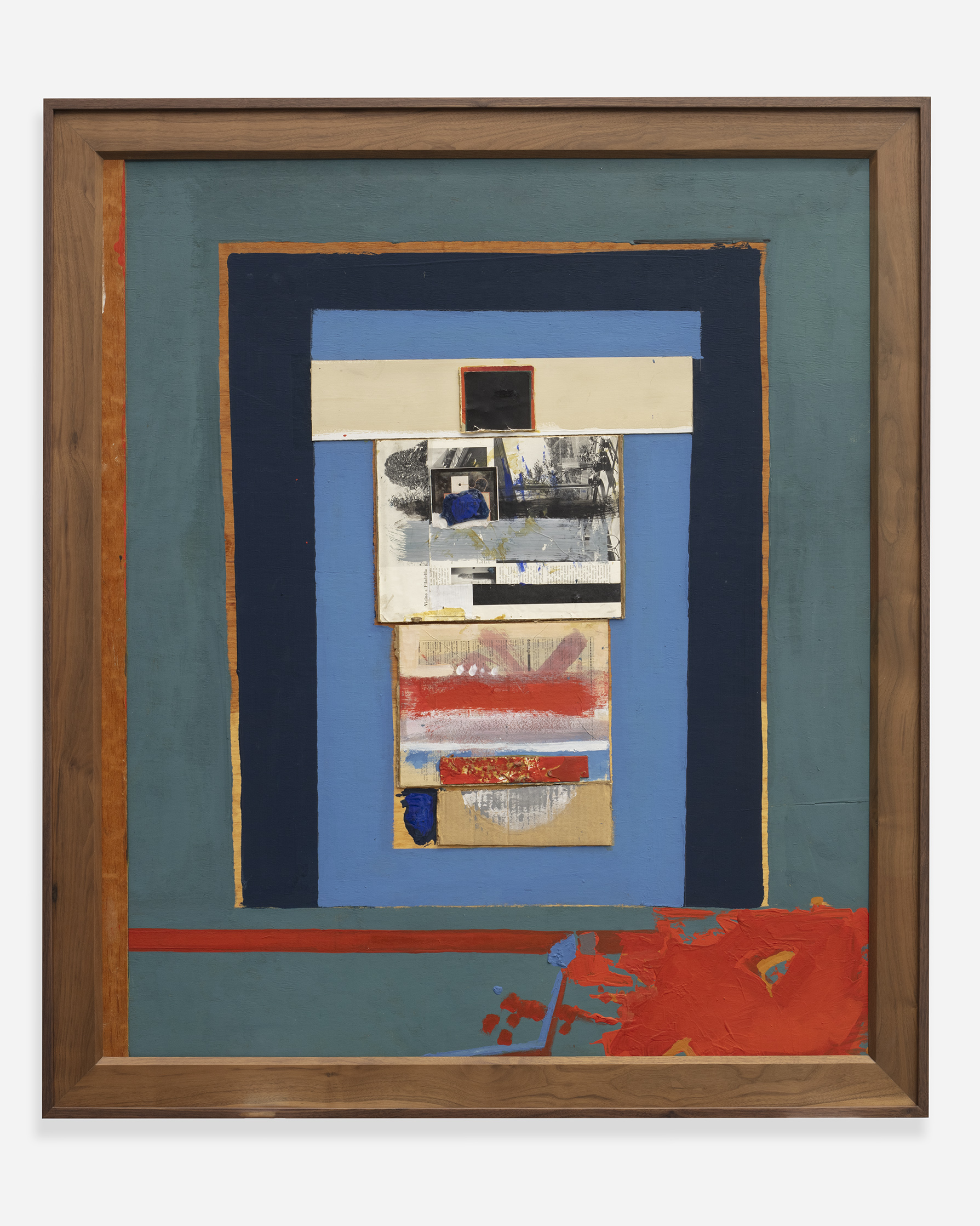
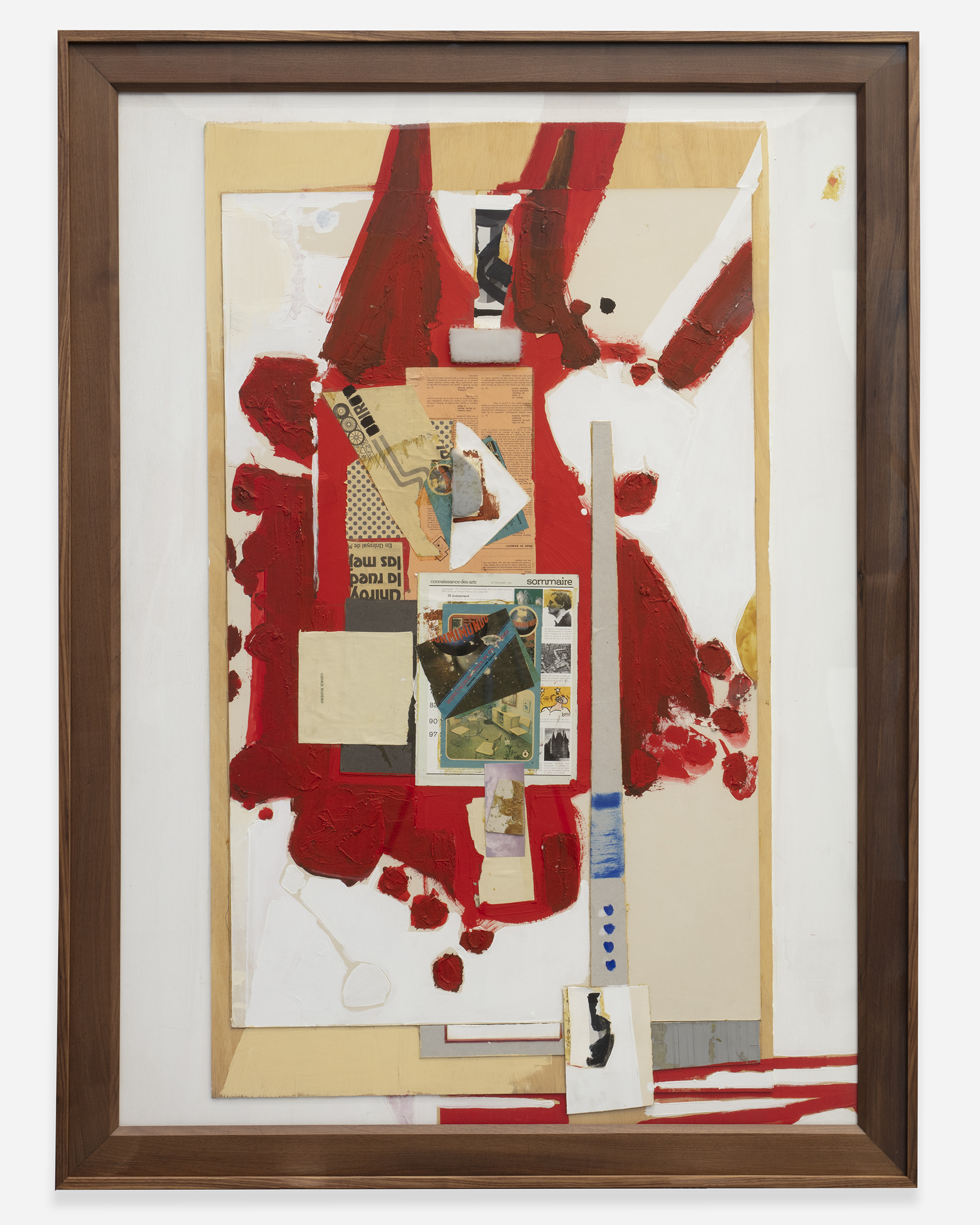
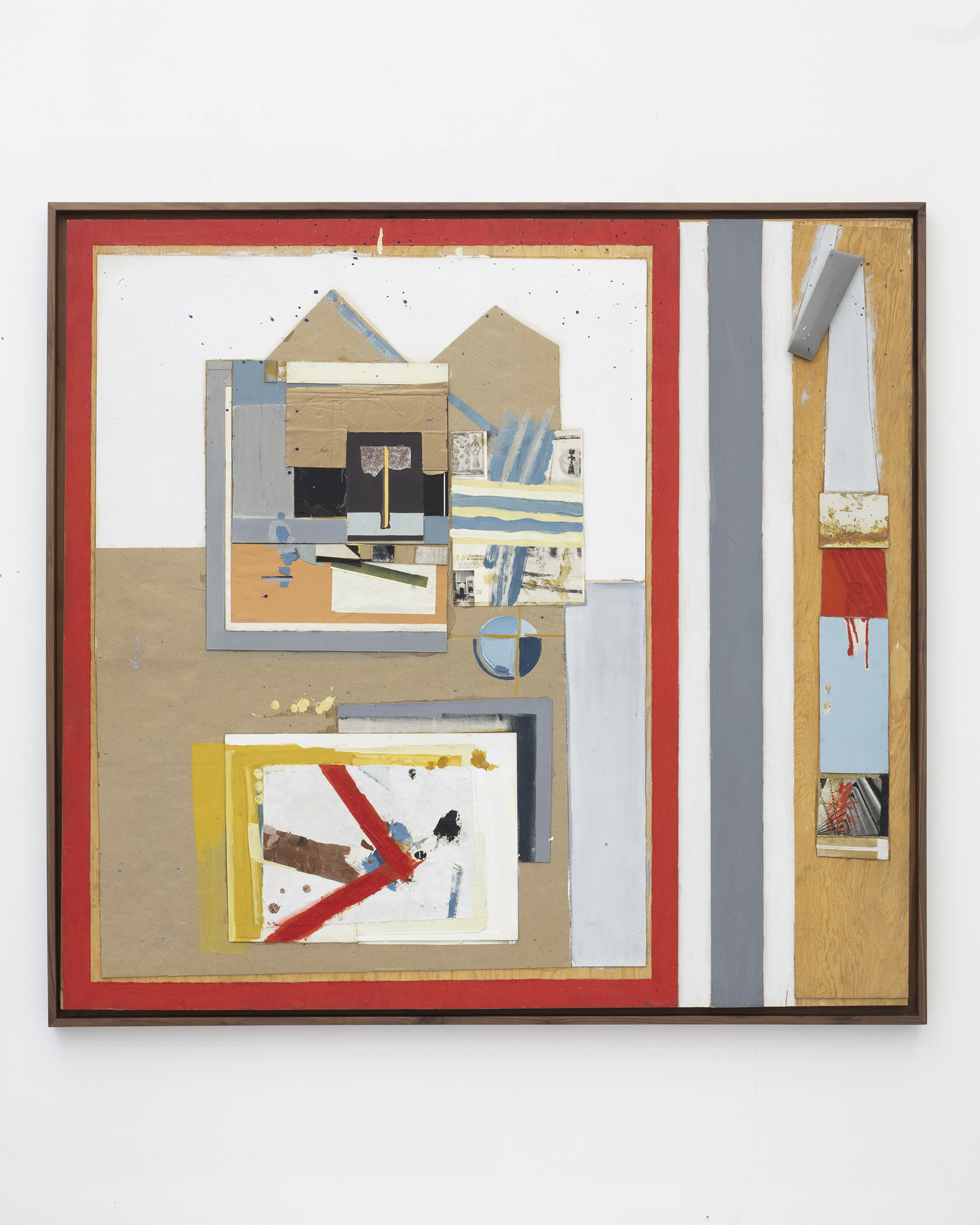
That may explain something essential about his painting. There are works that seem to obey an idea conceived in advance, and others in which thought and matter gradually discover each other. Fernando’s painting belonged to the latter. He worked on several pieces at once, going back to an old stretcher, a broken piece of wood, a fragment left over from another work. A magazine, a newspaper, an architectural blueprint or an engineering design could suddenly find its way into the painting. Not even books were off limits: if he found an image or a form he needed in one, he might cut out the page and work it in.
It wasn’t accumulation. It was selection.
I remember a story that has always struck me as revealing. Once, he had an argument with his partner. During their fight, a door ended up smashed. They reconciled, but there was still that poor broken door. Fernando looked at it and decided to save it. Then something happened that, for me, captures him perfectly: the door stopped being a door and became the support for a painting.
That was very him.
That gesture interests me a great deal because it holds something fundamental about how he understood painting. It wasn’t simply a matter of leveraging a found object. A moment of violence had physically altered the door, but it had also imbued it with an experience. Something that had lost its function was given another way to exist.
Fernando didn’t erase that history; he incorporated it.
Art has gone back to that territory many times. Ever since collage introduced fragments of reality into the space of representation, painting has no longer been obliged to pretend that the world ended at its edges. Kurt Schwitters understood, perhaps better than anyone, that a scrap could contain a universe; that a ticket, a piece of printed paper, a bit of wood, or a piece of trash, once separated from its original function, could acquire a new intensity by getting put in relation to other fragments.
Perhaps that’s why Fernando admired Schwitters so deeply. We would talk about him the way we talked about Rothko, Rauschenberg, Constructivism, Abstract Expressionism, Pop; all so many things that interested us back then. But I never felt that Fernando wanted to take after any of them. True admiration works differently.
Recognizing oneself in another artist can be a way of recognizing who one is oneself.
In Schwitters, Fernando was able to find a freedom close to his own: the possibility of building with whatever was at hand, of accepting fragments, of allowing matter to retain its memory while also taking on a new meaning. But that affinity was immediately filtered through his own sensibility.
Schwitters had understood that the world’s leftovers could build another world. A ticket, a piece of wood, a bit of type, a scrap of newspaper stopped being what they had been made for and would, upon entering the work of art, take on another reality. Duchamp had pushed the question further still: what happens when we dislodge something from its function and, simply by looking at it from somewhere else, change its meaning?
Fernando knew those explorations intimately, but he was doing something else with them. There was that need for space to stop being mere background and become an event. Fernando, however, bore another memory with him: architecture.
In his heart of hearts, he was a builder.
I would even say that he was an architect of his paintings.
I once told him that Schwitters was like a García Ponce in three dimensions. The remark was, naturally, a bit of friendly provocation, but I still think there was some truth to it. I never thought Fernando wanted to take after Schwitters.
Influence is one thing; recognizing yourself in the freedom another artist has won is something else entirely.
García Ponce’s works could be at once plane and construction. He could resolve a small collage and a monumental surface with equal authority, because scale did not alter his understanding of space. The dimensions changed, not the problem.
His palette contributed to that concentration. Fernando had a chromatic and formal restraint that could be extraordinarily elegant. But it would be a mistake to confuse restraint with coldness.
His work carries a powerful emotional charge.
His use of color was like that, too. It was very different from my own. Fernando was able to work with blues, grays, whites, blacks—a contained palette. I took different paths. Our supports were different, our colors were different, our pathways into painting were different.
But we knew how to read each other’s work.
That’s something I might value more now than I did then.
Friendship between artists isn’t about thinking alike. Quite the opposite. It’s about being able to step, for a moment, into the other’s way of seeing without losing your own. We used to do that.
I don’t remember Fernando and me ever having grand discussions about our work. We wouldn’t sit down solemnly to explain to each other what we were trying to say. That would have been pretty boring.
We would watch each other work.
And when you watch someone else work, you understand things that would probably never come up in conversation.
Fernando would work on several pieces at once. An object might migrate from one work to another. He might break a stretcher and then discover that the broken stretcher had more force than before. He might start with a structure and destroy it because something better had emerged in the process. That seems fundamental to me.
Fernando didn’t force the work to obey him.
He let it talk back.
There was a dialogue between what he knew and what he was discovering; between the architect who organized and the painter who could tear that organization down because a stain, a piece of wood, or a void had just opened up a possibility that hadn’t existed before.
Maybe that’s why his painting retains something that still surprises me: it is rigorously constructed and, at the same time, seems to have happened spontaneously.
And that’s a very difficult combination.
Knowledge can become a prison for an artist. You’ve seen too much, read too much, you know too many solutions. The real problem is making sure that everything you know doesn’t get in the way of what you don’t know yet.
Fernando was able to do that.
He was cultured, he observed a great deal, he knew the painting of his own time and what had come before it. But when he worked, he was able to forget all of that. Or rather, he didn’t need to remember it, because it was already inside him. That’s a very different thing.
There were moments when Fernando was baroque and others when he was an empty spirit. Or perhaps a full one.
Because emptiness in his painting was never absence.
Emptiness was an active form. A pause, a breath, a tension. Fernando could saturate one surface and then let another remain almost bare. Between those extremes, something would happen that is hard to name. And perhaps that is precisely where one of the qualities I keep finding in his paintings lies: you sense a movement toward something without yet knowing what it is.
Some painting is understood too quickly.
Fernando’s retains a zone that resists.
Osaka
I remember him especially during the making of the murals for Mexico’s exhibition in Osaka. There were eleven of us painters working in the same space. Thinking about it now, it seems like an extraordinary situation: eleven different ways of understanding painting, all happening at once.
It’s remarkable, thinking about it now.
We didn’t share a common doctrine or an aesthetic we had to obey. On the contrary, each of us was trying to push our own language as far as we could. We would watch each other, crack jokes, voice our opinions, sometimes criticize each another, but above all there was enormous respect for what the others were after. Maybe we were intuiting each other’s work rather than talking about it.
Fernando would concentrate deeply. Everything that was happening around him seemed, one way or another, to end up in a relationship with what he was doing. He would approach the work, paint, then step back to look at it. He’d move close again, step back again.
And every now and then, after looking at what he’d achieved, he’d say to himself:
“Fernando, you’re a badass. You’re a genius.”
And he’d give himself a round of applause.
It would make us laugh, of course. But now that I think about it, there was something very serious behind the joke. Fernando was celebrating the moment when the painting was giving him back something he himself hadn’t known he would find.
That’s one of the great pleasures of painting.
Fernando took real pleasure in discovering that something had happened in the work. Because in the process, you never quite know what you’re going to find. That was important to us. We weren’t looking to confirm what we already knew.
To paint was to be exposed to what didn’t yet have a name.
That’s why I find it hard to fully accept the word Ruptura—rupture—as a label for what happened among us. That word came after the fact. We hadn’t come together around a manifesto. We weren’t getting up in the morning thinking we had to break with something.
We were free painters.
And perhaps that was the true common denominator of that time.
Each of us understood that freedom in a different way. Manuel Felguérez could search for systems and structures capable of organizing form. Lilia Carrillo found an extraordinary spontaneity in the very act of painting. Alberto Gironella could get sucked into an obsessive conversation with Velázquez or El Greco. Fernando was perhaps more faithful than any of us to abstraction.
We didn’t need to take after each other in order to recognize each other.
On the contrary, difference was precisely what made conversation possible.
It was an extraordinary time, because things were changing at tremendous speed. You’d still be trying to understand one avant-garde when another was already emerging.
Zona Rosa
Our friendship was also developing outside the studio.
It was the era of the Zona Rosa. Fernando had his apartment and his workspace there. We’d visit each other. We’d go to shows, especially our friends’. After the openings we often ended up having dinner together, artists and friends, stretching out our conversations for hours. El Caramel, El Perro Andaluz, and other spots were part of that geography.
Any excuse would do to get us together: a show, a birthday, a party. But inevitably we would come back to art, to what we were making, to what we had seen.
As I mentioned, Fernando and I were very different painters. But we had great respect for each other’s work.
That strikes me now as a very deep form of friendship.
It wasn’t about agreeing. It was about being able to see from the other’s vantage point without leaving your own place.
There was camaraderie, mutual admiration, and also a standing invitation to discover something different in a friend’s work and, through it, in your own.
Fernando was especially generous in that sense. When I say he was generous, I don’t just mean his personality. For me, an artist’s generosity lies in knowing how to see.
Seeing demands openness.
Learning and discerning.
Fernando would find something interesting in everyone. I don’t recall in him that need to belittle other people’s work in order to aggrandize his own.
He observed a great deal. He was cultured, he knew what was happening in the art of his time, but that knowledge never seemed to become a burden.
His learning didn’t precede his eye. It accompanied it.
And maybe that’s why he could still be surprised.
I think an artist stops truly being an artist when they lose that ability: when they already know in advance what they ought to look at, what they ought to think, what they ought to like. Fernando preserved the receptiveness of someone who can still stumble upon the unexpected.
That same receptiveness was in his painting.
A stain could change the painting. A line could force him to rethink the space. A piece of wood could upset a structure that seemed resolved. Accident was not an enemy to construction; it could become part of it.
That’s why his works still strike me today as both rigorous and unpredictable.
They’re made and, at the same time, seem simply to have happened.
Perhaps that’s the paradox that interests me most about Fernando.
He was an architect and he was a painter.
He built, and he let things happen.
He knew, and he could be surprised.
He could think about emptiness and about saturation, about matter and about space, about nothing and about everything.
And he could enable a door destroyed in a fight to exist anew because he had known how to see it.
Many years have passed since those conversations, studios, art shows, and dinners in Zona Rosa. Much of what felt like the present to us then has already become history. Even we have ended up, for better or worse, getting turned into what others call a generation.
But painting has a different temporality.
That’s why I speak of Fernando in the present tense.
His work has—not “had”—an enormous emotional charge. His spaces are still at work; his cuts still interrupt our gaze; his voids are still charged with tension. A work doesn’t endure because it belongs to an era, but because it’s still capable of producing an experience in whoever looks at it.
Because that’s what ultimately matters about a work of art. Circumstances change, aesthetic debates become history, new languages and new generations appear. But a painting endures if it can still make something happen in front of us.
Fernando’s painting does that.
His spaces still hold tension. His voids are still at work. The material still bears the traces of what it was before it entered the painting.
And maybe that’s why I keep coming back to that door.
I like to imagine Fernando standing in front of it after the fight.
Anyone else would have seen a broken door.
He saw something else.
That’s what painting is.
Not necessarily putting paint on a canvas.
It’s looking at something that already exists and discovering that it can still become something else.
Perhaps the whole history of art is contained, in a way, in that gesture.
To take what the world hands us—be it an image, a space, a memory, a piece of wood, even an act of destruction—and give it back transformed.
Fernando did that his whole life.
That’s why, when I think of him, I think not only of the friend I knew in those years, or of the painter who would later come to be associated with a generation called Ruptura.
I think of someone who understood space profoundly and who had enough freedom never to fully obey it.
A man who was capable of building and destroying, of filling and emptying, of knowing and forgetting what he knew.
And I also think of us, watching each other work, with no idea that someday someone would try to explain it all.
Maybe it was better that way.
We were what we were: free painters.
And painting was our way of finding out what that freedom meant.
Fernando devoted himself to painting.
That was his world: his painting, his friends, the life going on around him, and everything that could become the material for a work of art.
Remembering him at work, I perhaps understand better something we were simply living back then.
We didn’t know exactly what we were doing. And that was as it should have been.
Because freedom isn’t about doing just anything.
It’s about being able to reach a place you don’t know yet.
Fernando knew how to do that.
His paintings still invite us into that place.
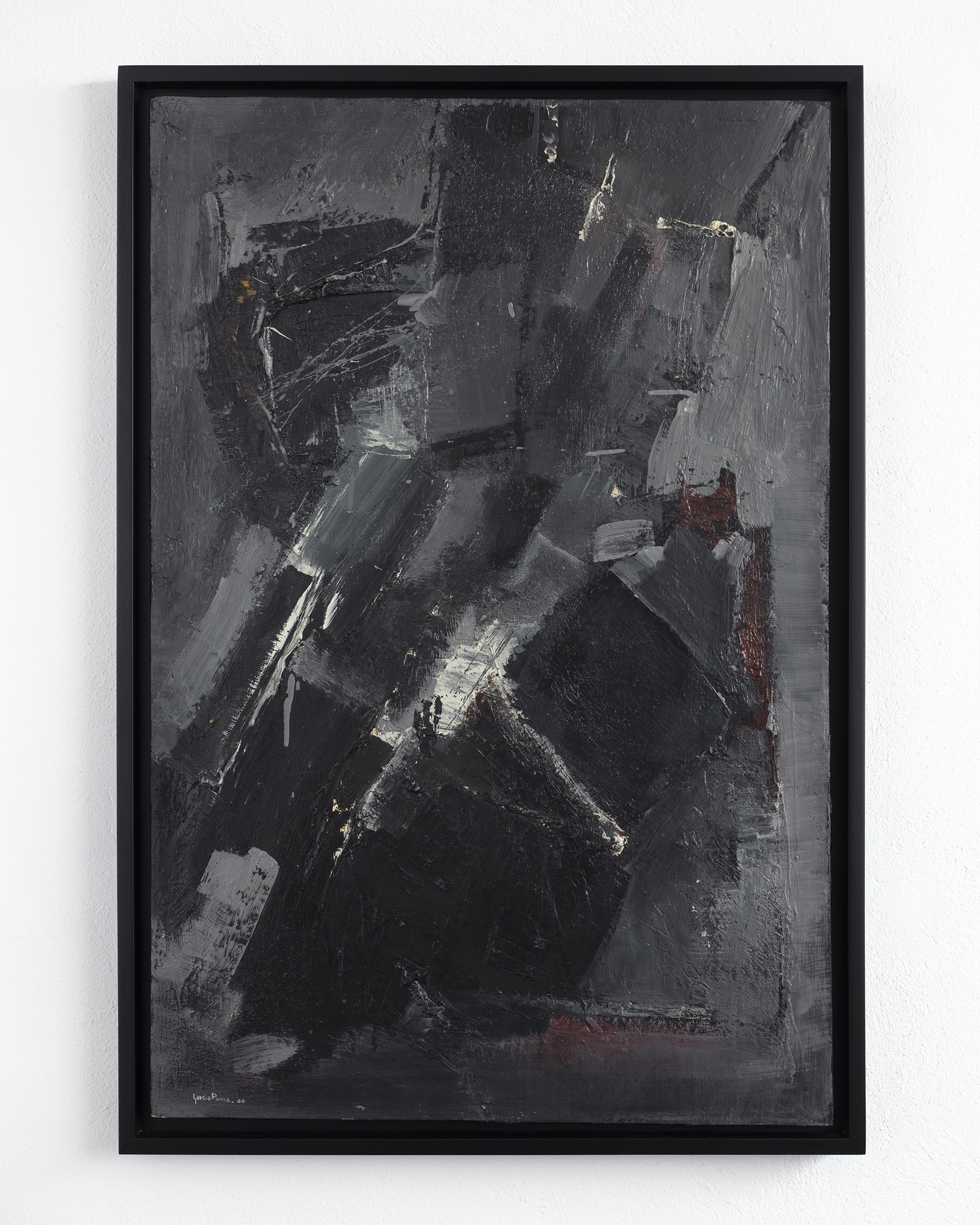
Óleo sobre lienzo
61 x 93 cm
Oil on canvas
24.02 x 36.61 in
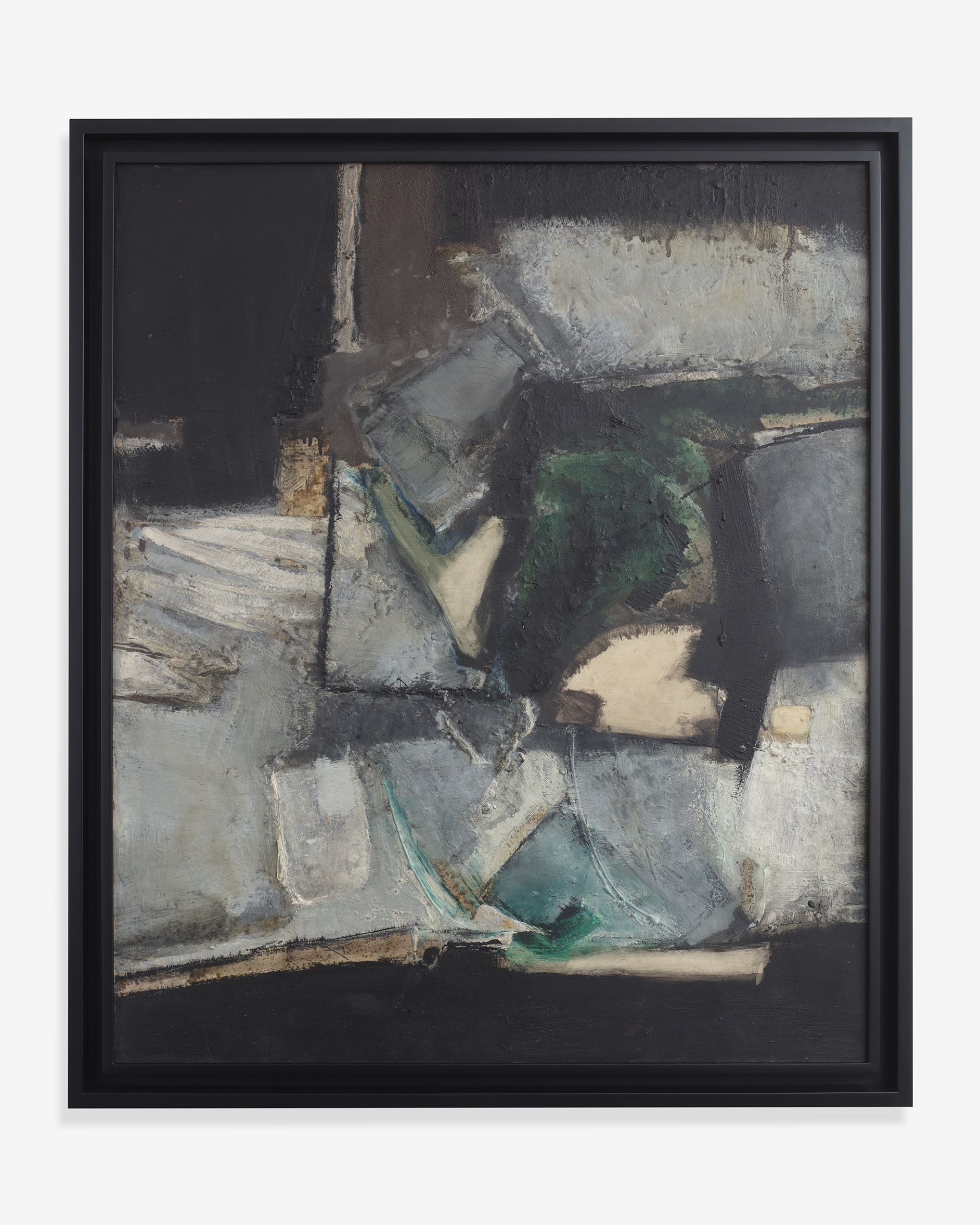
Óleo sobre lienzo
90 x 75.5 x 4.5 cm
Oil on canvas
35.43 x 29.72 x 1.77 in
Acrílico sobre lienzo
170 x 170 cm
Acrylic on canvas
66.93 x 66.93 in
Collage
122 x 104 cm
Collage
48.03 x 40.94 in
Collage
140 x 100 cm
Collage
55.12 x 39.37 in
Collage sobre panel de madera contrachapada, enmarcado en madera de nogal
153 x 163.5 x 5 cm
Collage on triplay panel, framed in walnut wood
60.24 x 64.37 x 1.97 in
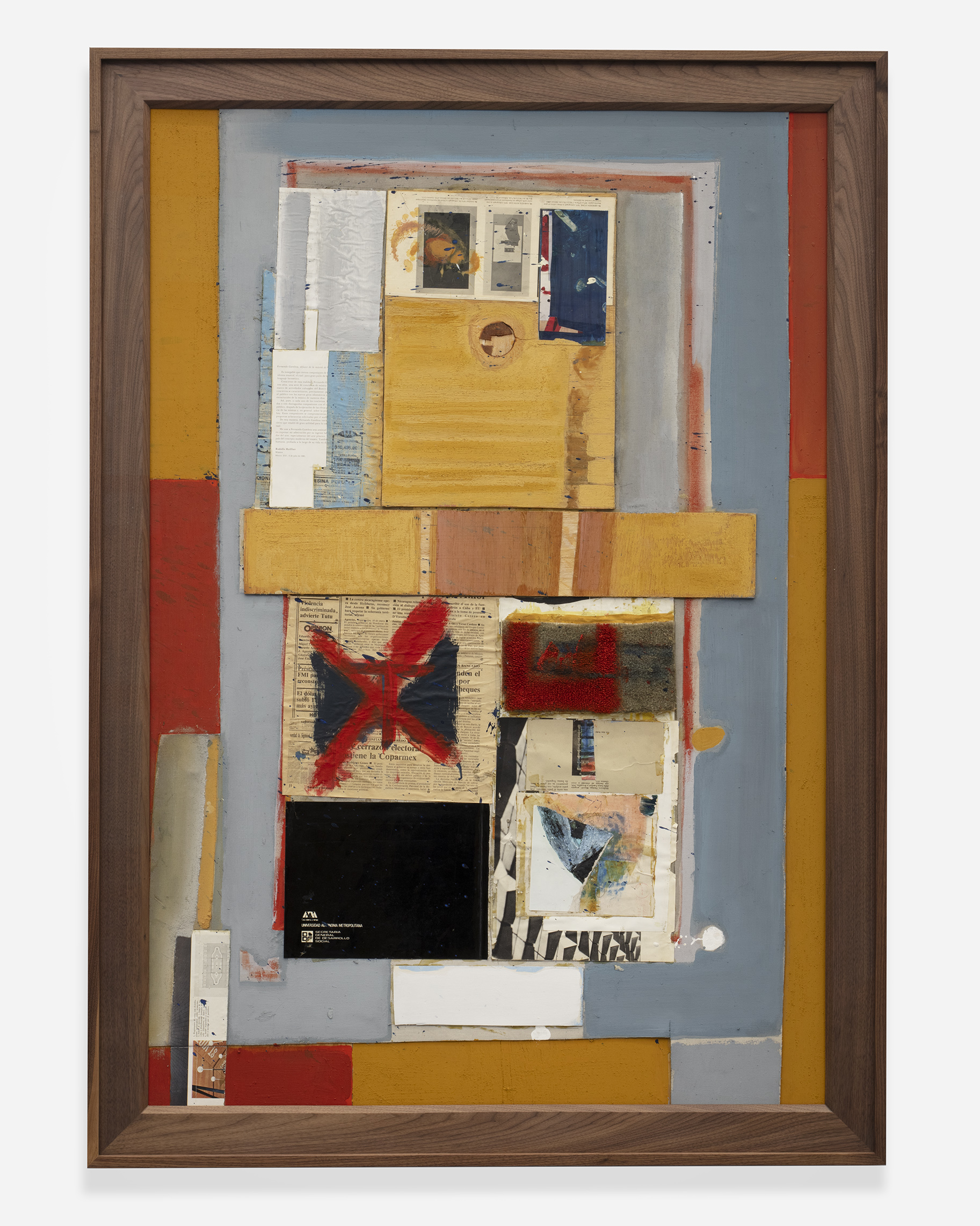
Collage
142 x 104.5 cm
Collage
55.91 x 41.14 in
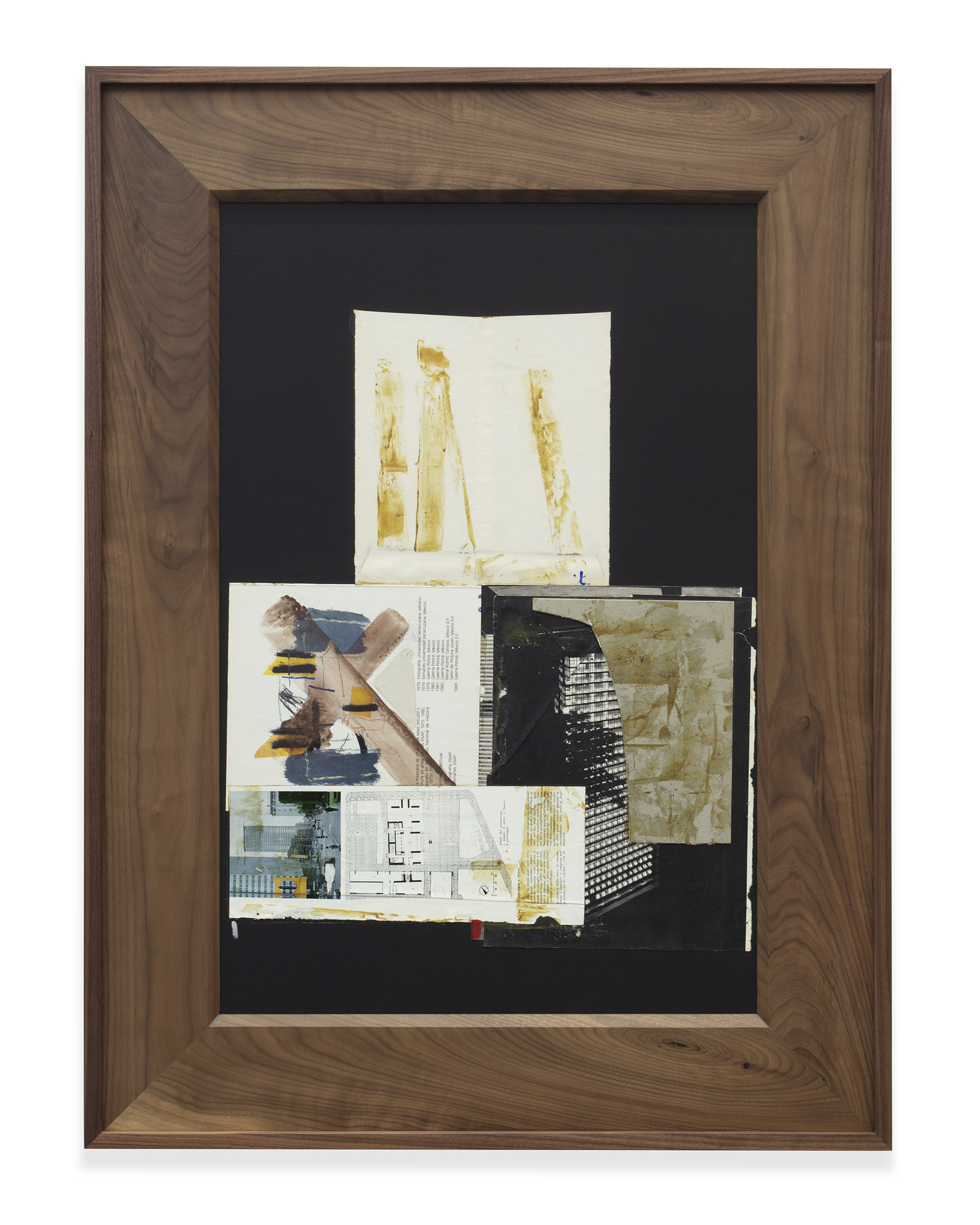
Collage
76.1 x 50.8 cm
Collage
29.96 x 20 in
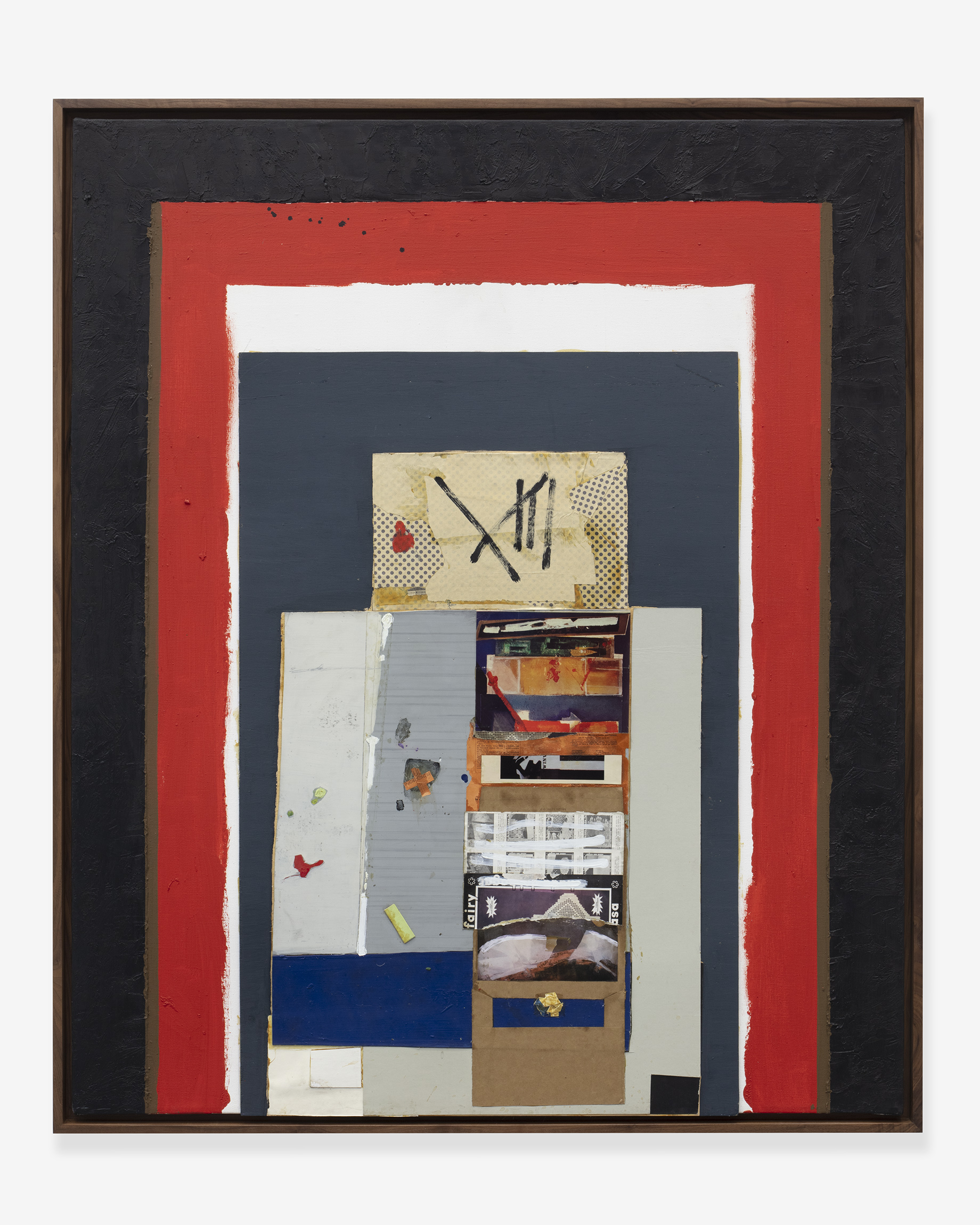
Medios mixtos
154.5 x 130 x 4.5 cm
Mix media
60.83 x 51.18 x 1.77 in
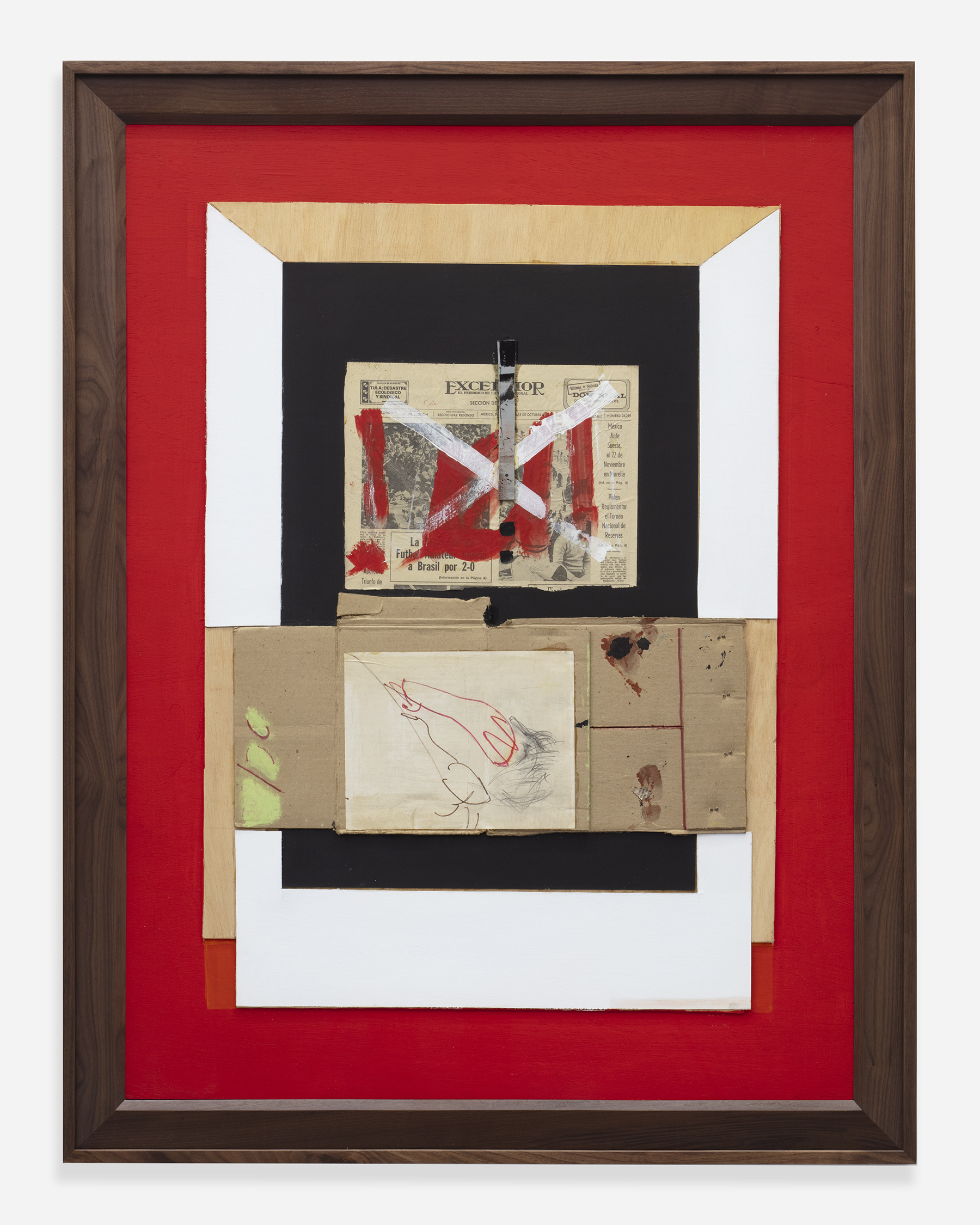
Collage
119.5 x 88.9 cm
Collage
47.05 x 35 in
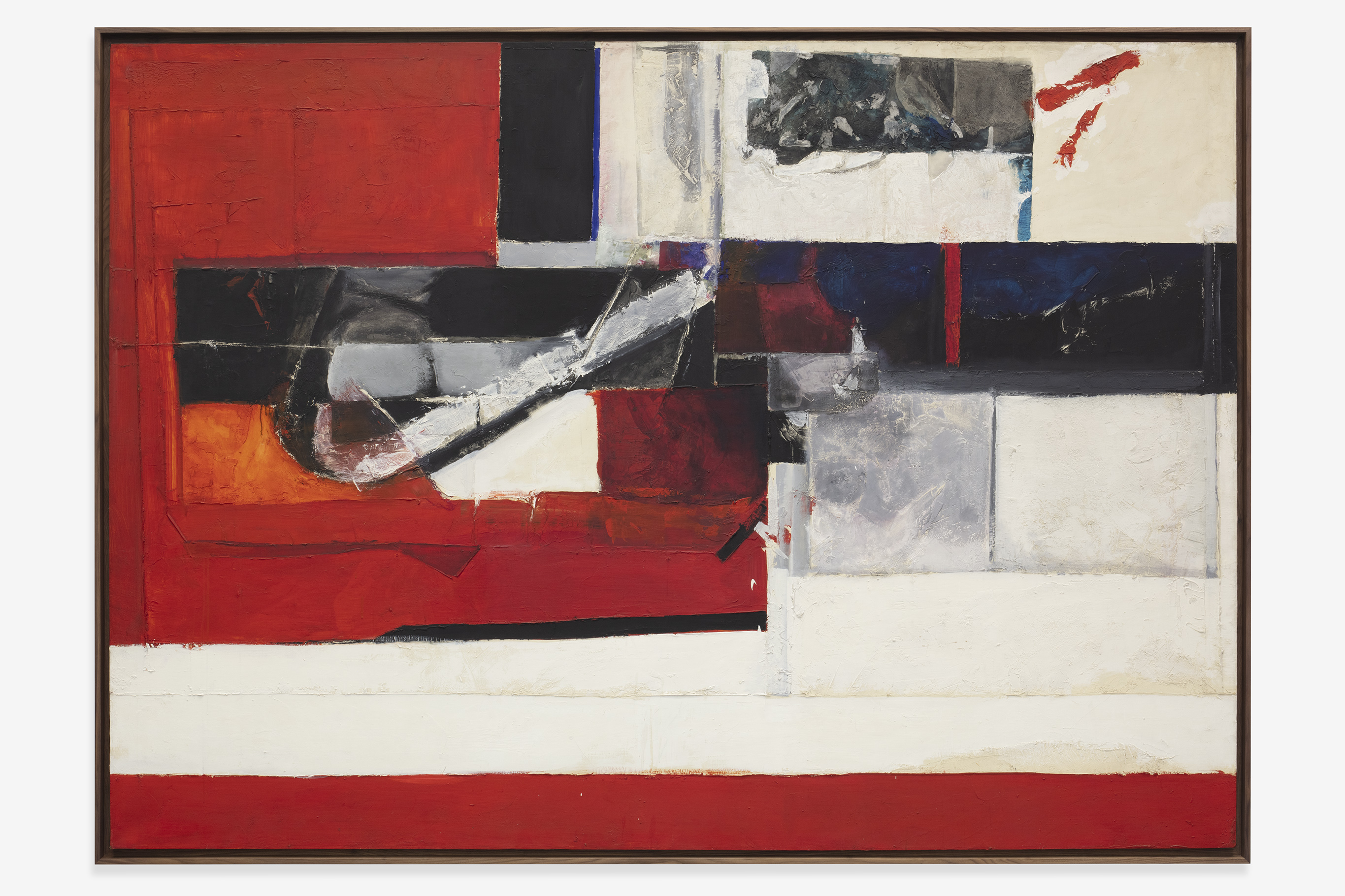
Acrílico sobre lienzo
200 x 280 cm
Acrylic on canvas
78.74 x 110.24 in
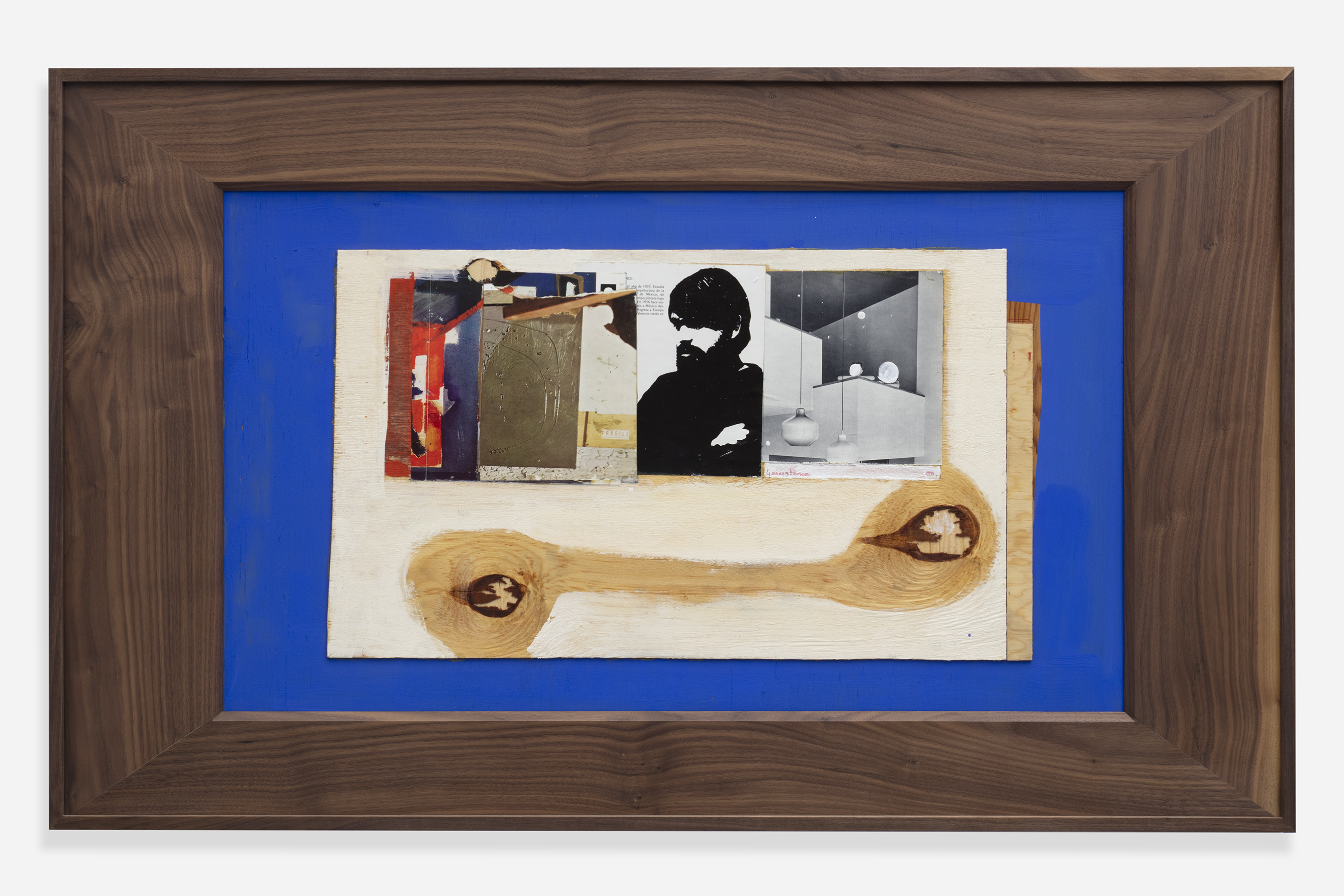
Técnica mixta
68.5 x 122 cm
Mixed media
26.97 x 48.03 in
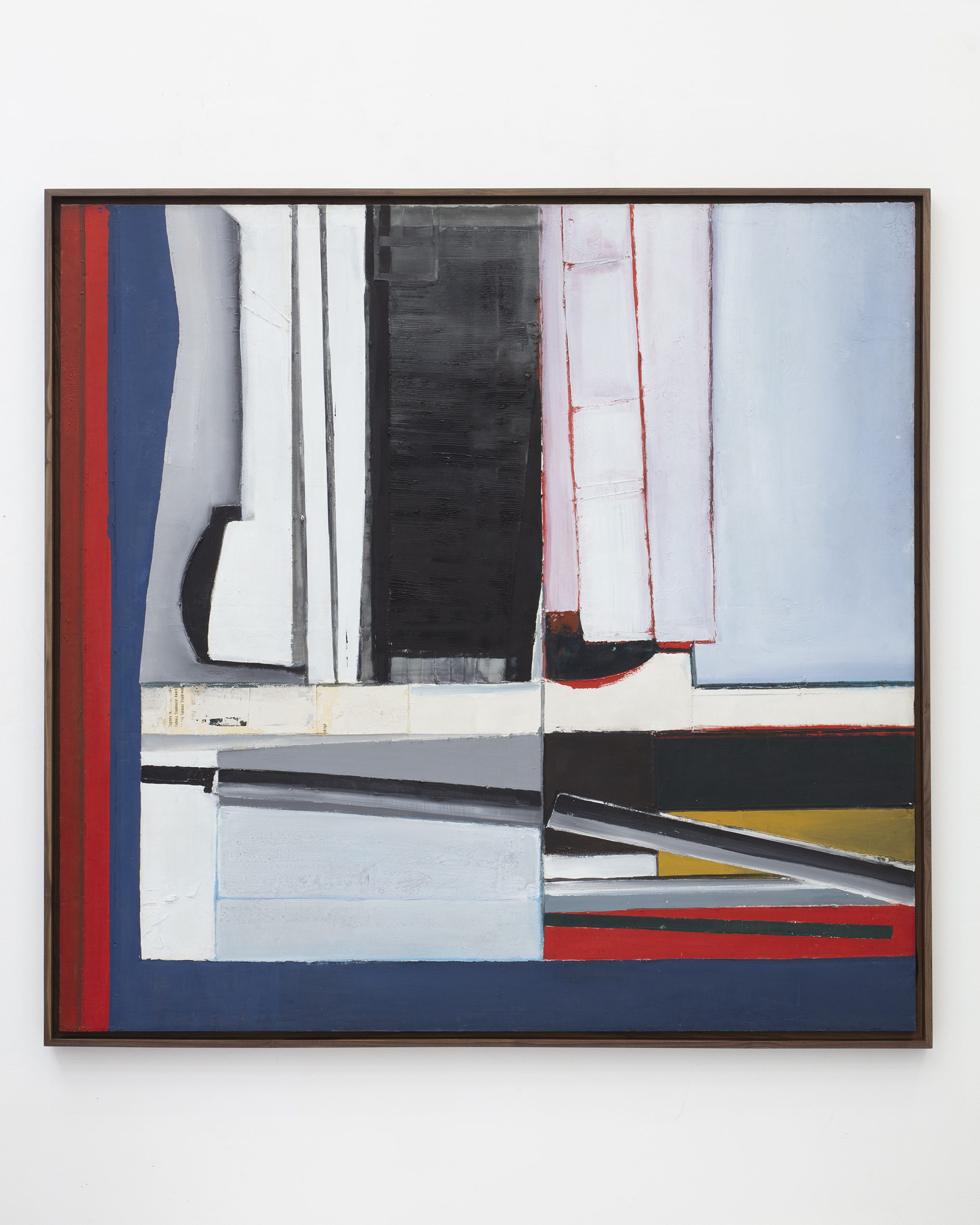
Acrílico sobre lienzo
165 x 170 cm
Acrylic on canvas
64.96 x 66.93 in
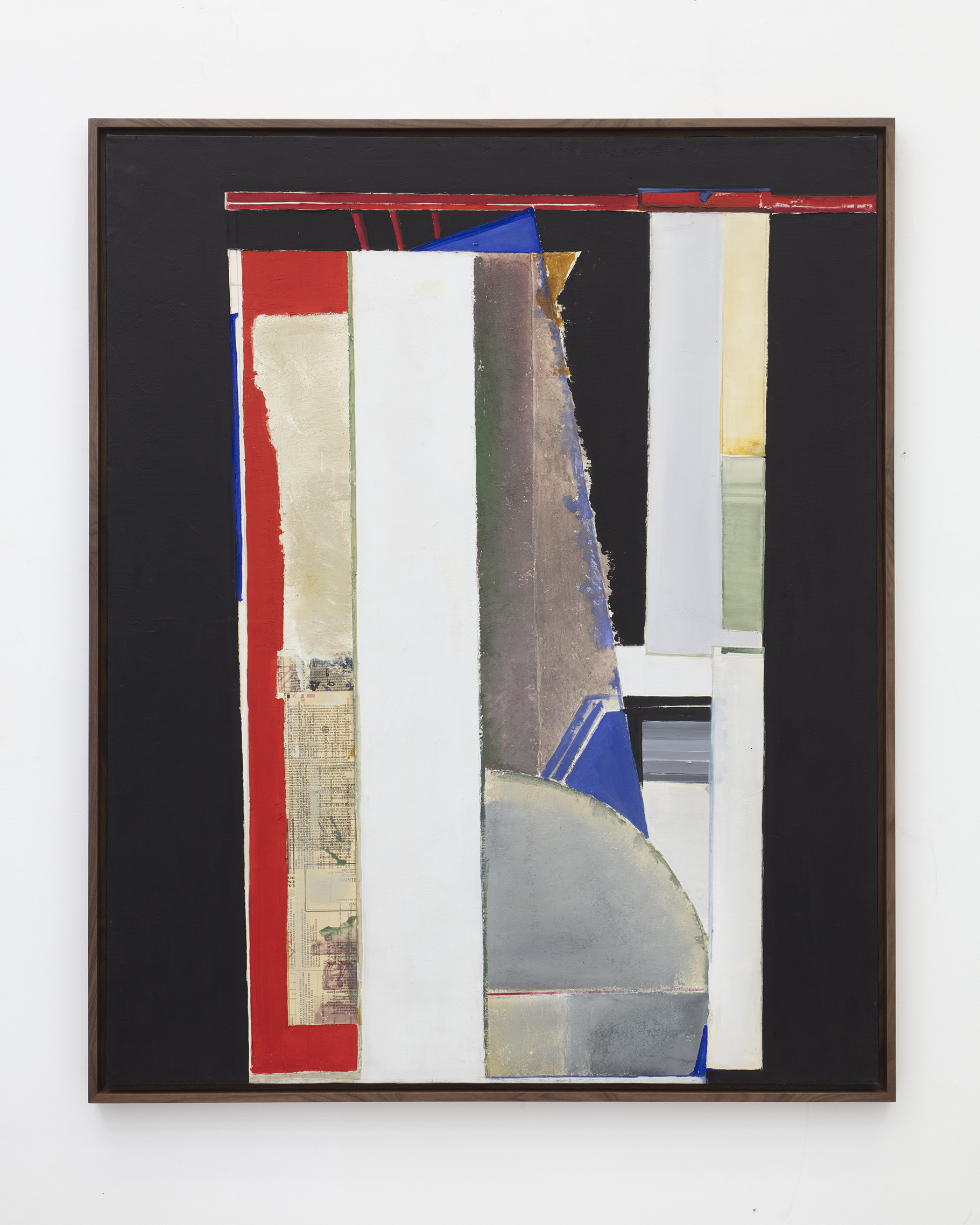
Acrílico sobre lienzo, enmarcado en madera de nogal
166 x 136 x 5 cm
Acrylic on canvas, framed in walnut wood
65.35 x 53.54 x 1.97 in
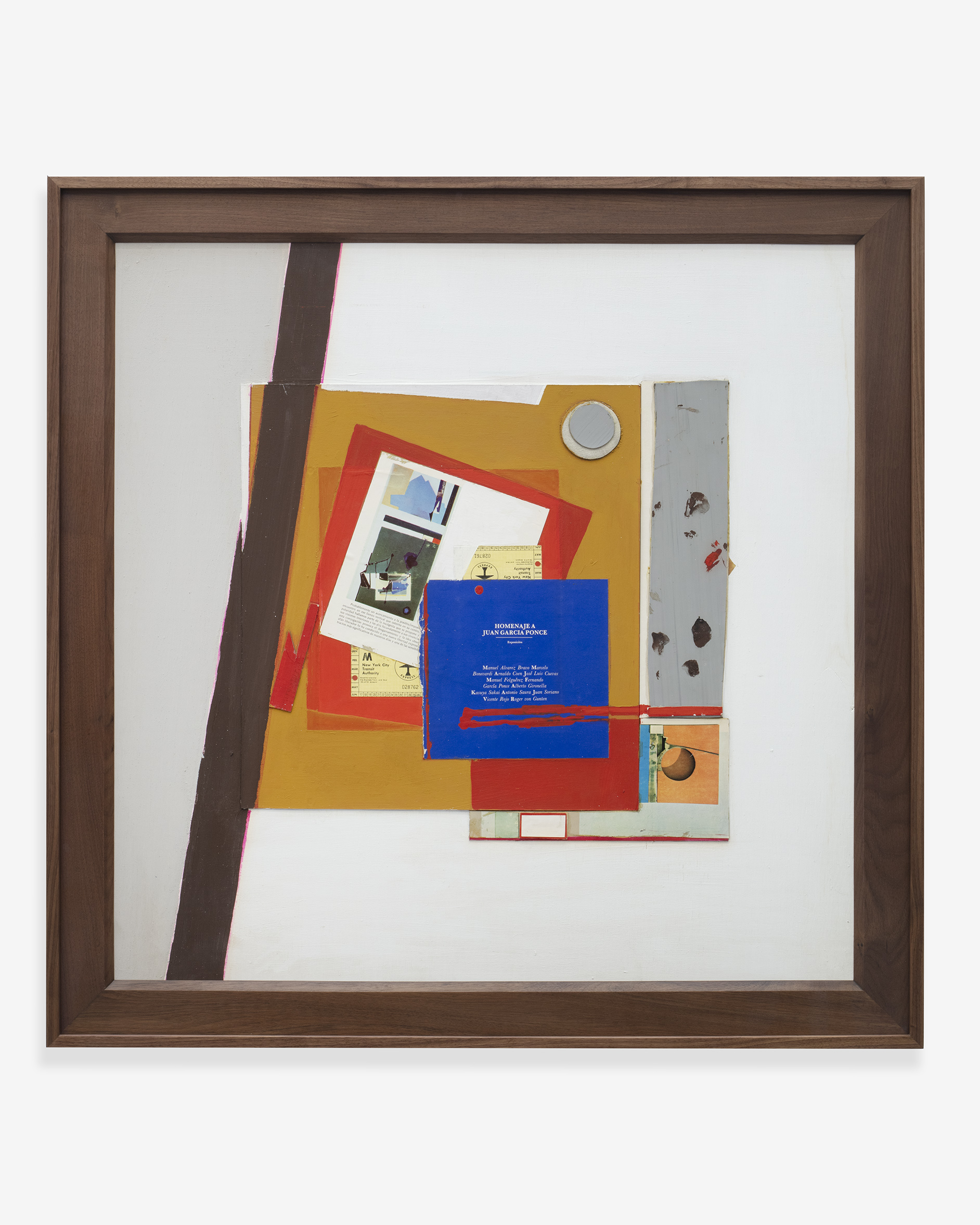
Collage, enmarcado en madera de nogal con vidrio de museo
104.5 x 104.5 x 4 cm
Collage, framed in walnut wood with museum glass
41.14 x 41.14 x 1.57 in
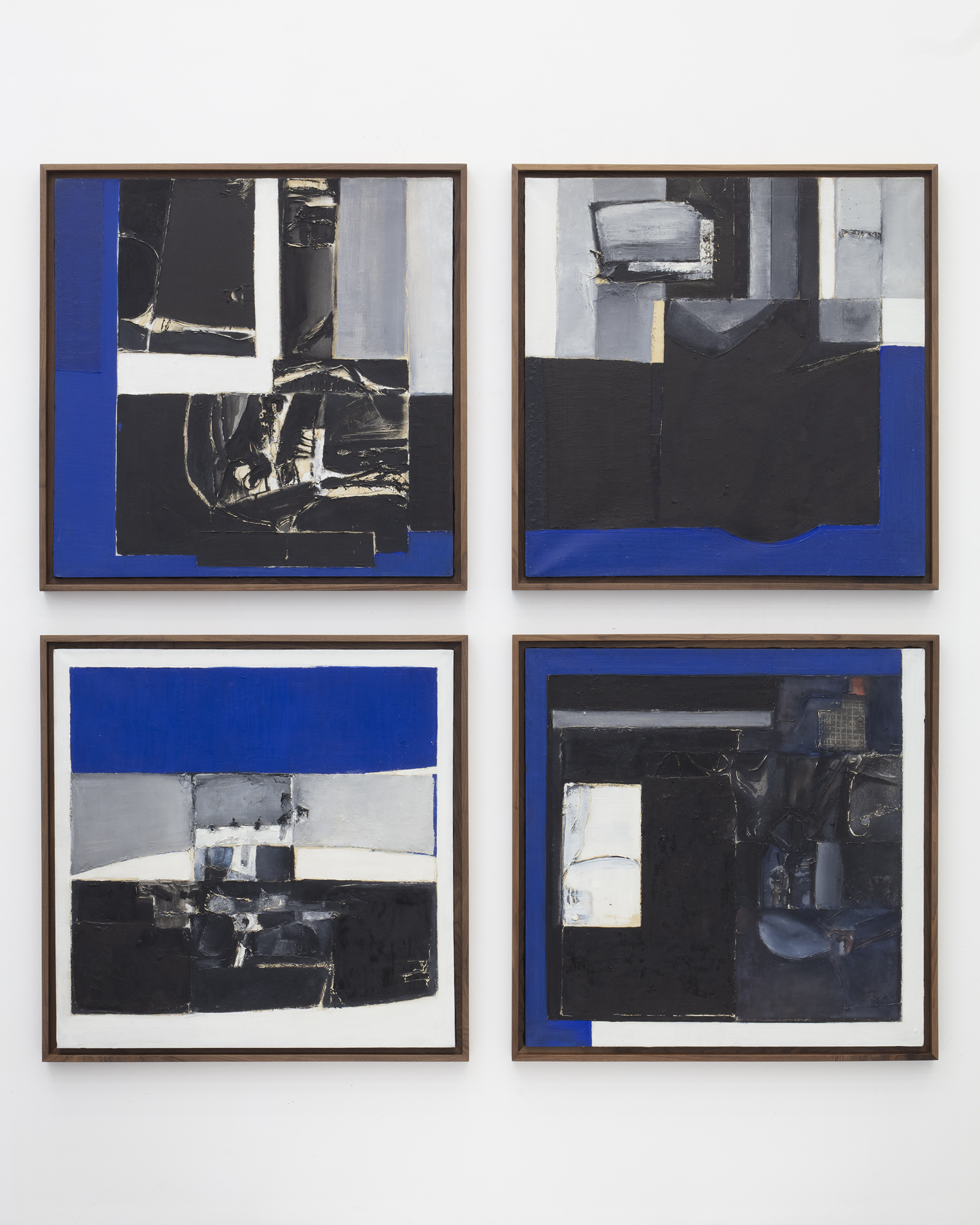
Cuádriptico en oleo y acrilico sobre lienzo
186 x 186 x 2.5 cm
Quadriptych of oil and acrylic on canvas
73.23 x 73.23 x 0.98 in
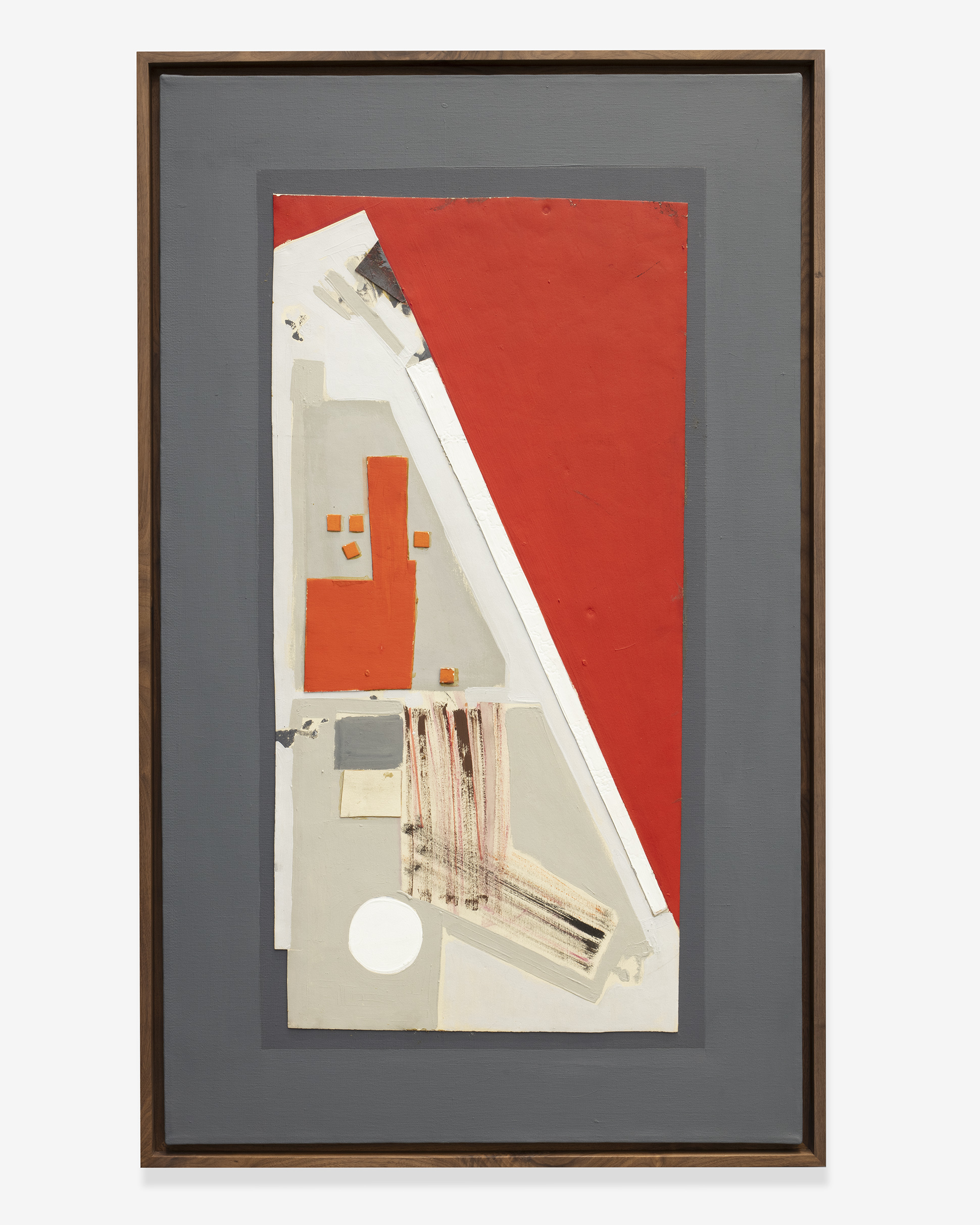
Técnica mixta
135 x 90 cm
Mixed media
53.15 x 35.43 in
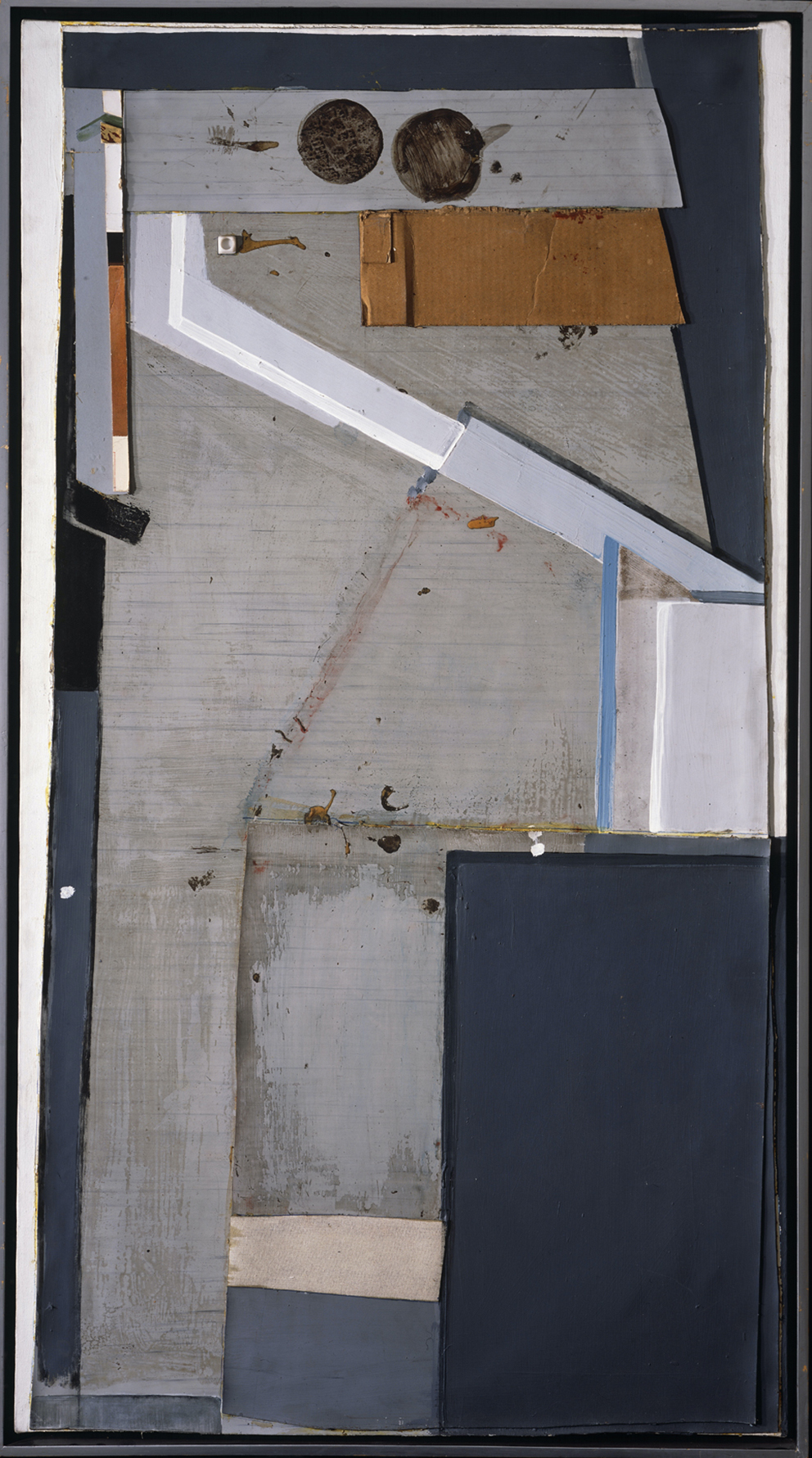
Técnica mixta
155.6 x 84.8 cm
Mixed media
61.26 x 33.39 in
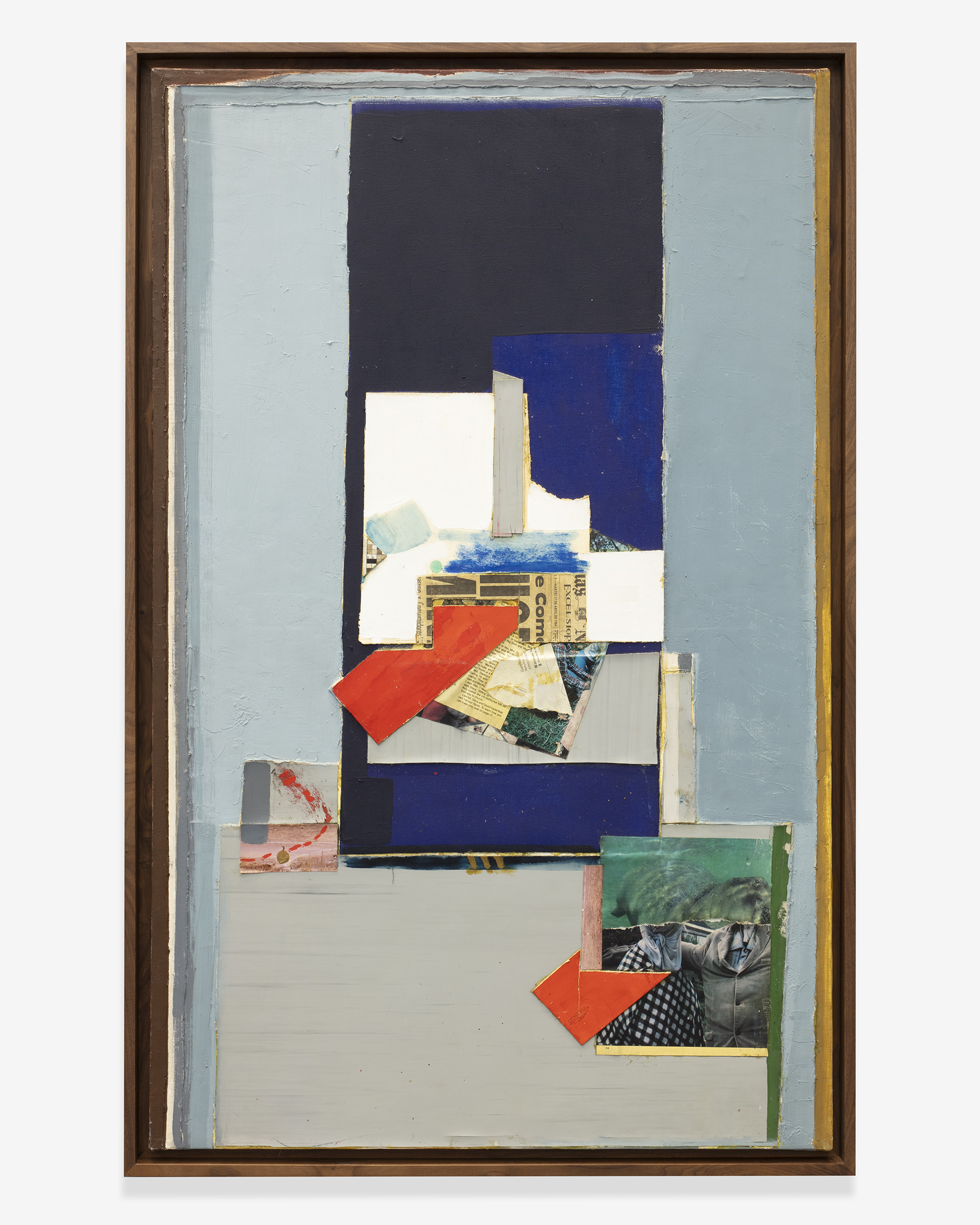
Técnica mixta
135 x 85 cm
Mixed media
53.15 x 33.46 in
Video Full HD
Loop
2020
Video Full HD
Loop
2021
Video Full HD
Loop
2021
Video Full HD
Loop
2021
Video Full HD
Loop
2021
Video Full HD
Loop
2021